Acnes Dual Action Scrub Versus La Roche-Posay Effaclar Purifying Foaming Gel Face Cleanser For Oily Skin
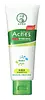
This exfoliator is formulated around Dipotassium Glycyrrhizate to calm irritation and reduce redness.


What's inside
What's inside
 Key Ingredients
Benefits
Concerns
Ingredients Side-by-side
O-Cymen-5-Ol
Antimicrobial
Dipotassium Glycyrrhizate
Humectant

Glycerin
Humectant


Palmitic Acid
Emollient




Stearic Acid
Cleansing
Myristic Acid
Cleansing
Dipropylene Glycol
HumectantPotassium Hydroxide
BufferingLauric Acid
Cleansing
PPG-30 Cetyl Ether
Skin ConditioningMaltitol
HumectantSodium Methyl Palmitoyl Taurate
CleansingGlycol Distearate
Emollient
Hydrogenated Vegetable Oil
Emollient
Cocos Nucifera Oil
Masking

Tocopheryl Acetate
Antioxidant


Silica
Abrasive


CI 74160
Cosmetic ColorantPigment Yellow 12
Parfum
Masking

O-Cymen-5-Ol, Dipotassium Glycyrrhizate, Glycerin, Palmitic Acid, Stearic Acid, Myristic Acid, Dipropylene Glycol, Potassium Hydroxide, Lauric Acid, PPG-30 Cetyl Ether, Maltitol, Sodium Methyl Palmitoyl Taurate, Glycol Distearate, Hydrogenated Vegetable Oil, Cocos Nucifera Oil, Tocopheryl Acetate, Silica, CI 74160, Pigment Yellow 12, Parfum






Reviews
Ingredients Explained
These ingredients are found in both products.
Ingredients higher up in an ingredient list are typically present in a larger amount.
Parfum is a catch-all term for an ingredient or more that is used to give a scent to products.
Also called "fragrance", this ingredient can be a blend of hundreds of chemicals or plant oils. This means every product with "fragrance" or "parfum" in the ingredients list is a different mixture.
For instance, Habanolide is a proprietary trade name for a specific aroma chemical. When used as a fragrance ingredient in cosmetics, most aroma chemicals fall under the broad labeling category of “FRAGRANCE” or “PARFUM” according to EU and US regulations.
The term 'parfum' or 'fragrance' is not regulated in many countries. In many cases, it is up to the brand to define this term.
For instance, many brands choose to label themselves as "fragrance-free" because they are not using synthetic fragrances. However, their products may still contain ingredients such as essential oils that are considered a fragrance by INCI standards.
One example is Calendula flower extract. Calendula is an essential oil that still imparts a scent or 'fragrance'.
Depending on the blend, the ingredients in the mixture can cause allergies and sensitivities on the skin. Some ingredients that are known EU allergens include linalool and citronellol.
Parfum can also be used to mask or cover an unpleasant scent.
The bottom line is: not all fragrances/parfum/ingredients are created equally. If you are worried about fragrances, we recommend taking a closer look at an ingredient. And of course, we always recommend speaking with a professional.
Learn more about Parfum

