
What's inside
What's inside
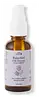 Key Ingredients
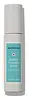
Benefits
Concerns
Ingredients Side-by-side
Water
Skin ConditioningPropanediol
Solvent

Astrocaryum Murumuru Seed Butter
Emollient



Gossypium Herbaceum Fruit Water
MaskingRetinol
Skin Conditioning









Glycerin
Humectant
Bakuchiol
Antimicrobial



Bidens Pilosa Extract
HumectantLinum Usitatissimum Seed Oil
Perfuming


Humulus Lupulus Extract
AntimicrobialSodium Hyaluronate
Humectant
Tocopherol
Antioxidant
Caprylyl Glycol
Emollient
Helianthus Annuus Seed Oil
Emollient
Copernicia Cerifera Wax
Phenoxyethanol
Preservative
Carbomer
Emulsion StabilisingPotassium Sorbate
Preservative
Xanthan Gum
EmulsifyingDisodium Cocoamphodiacetate
CleansingHexylene Glycol
EmulsifyingCitric Acid
Buffering
Sodium Hydroxide
BufferingPolysorbate 20
Emulsifying
Glyceryl Polyacrylate
1,2-Hexanediol
Skin Conditioning
Ethyl Ferulate
Antioxidant
Water, Propanediol, Astrocaryum Murumuru Seed Butter, Gossypium Herbaceum Fruit Water, Retinol, Glycerin, Bakuchiol, Bidens Pilosa Extract, Linum Usitatissimum Seed Oil, Humulus Lupulus Extract, Sodium Hyaluronate, Tocopherol, Caprylyl Glycol, Helianthus Annuus Seed Oil, Copernicia Cerifera Wax, Phenoxyethanol, Carbomer, Potassium Sorbate, Xanthan Gum, Disodium Cocoamphodiacetate, Hexylene Glycol, Citric Acid, Sodium Hydroxide, Polysorbate 20, Glyceryl Polyacrylate, 1,2-Hexanediol, Ethyl Ferulate
Reviews
Ingredients Explained
These ingredients are found in both products.
Ingredients higher up in an ingredient list are typically present in a larger amount.
Bakuchiol is a plant-derived antioxidant from the seeds of the Psoralea corylifolia plant. It has antimicrobial, emollient, skin conditioning, and antioxidant properties.
You'll likely see it called a "retinol replacement" but the two are technically not related. This is because bakuchiol is able to flip many of the same switches in your skin cells to tell them to:
1) produce more collagen (type I, III, and IV)
2) activate the same genes retinoids do
Unlike retinoids, this ingredient will not increase photosensitivity and is safe to use during pregnancy (but please still check in with your doctor!).
The flagship clinical trial from Dhaliwal et al. 2019 found 0.5% bakuchiol (twice daily) and 0.5% retinol (once daily) reduced wrinkles and hyperpigmentation equally, but bakuchiol had significantly less irritation.
Systematic reviews also back this up:
Bakuchiol is comparable to retinol for photoaging but with better tolerability. It also has mild antibacterial properties against Cutibacterium acnes and antifungal activity in vitro against Candida and dermatophytes.
The reason bakuchiol works well is due to its structure; it is a meroterpene phenol, or a hybrid molecule. The phenol half acts as an antioxidant while the terpene half is fat-loving. This helps the molecule slip through the skin barrier.
This ingredient is usually used between 0.5-2%. Only one case of contact dermatitis has ever been reported for this ingredient.
Learn more about BakuchiolHelianthus Annuus Seed Oil is a plant oil derived from the seeds of a sunflower.
It is rich in fatty acids, primarily linoleic acid and oleic acid. This gives it emollient and skin conditioning properties.
The reason this ingredient is so effective is because it forms a thin film on the skin that reduces transepidermal water loss (TEWL) while supplying linoleic acid to the stratum corneum to improve barrier strength.
The high linoleic acid content is particularly noteworthy for acne-prone skin.
Research suggests that acne-prone skin tends to be deficient in linoleic acid in sebum. Topical application may help replenish this to support a healthier follicular environment and less comedone-promoting sebum.
One randomized study found sunflower seed oil preserved skin barrier integrity in adult volunteers with and without atopic dermatitis (outperforming olive oil).
This ingredient is well-studied, gentle, and an effective emollient suitable for most skin types.
On fungal acne: This ingredient may not be Fungal acne (Malassezia folliculitis) safe. This is because it contains fatty acids with carbon chain lengths in the C11-C24 range.
Learn more about Helianthus Annuus Seed OilTocopherol is a fat-soluble antioxidant known as Vitamin E.
You'll find this ingredient in the vast majority of skincare (for good reason). It works to neutralize free radicals, or unstable molecules generated by UV exposure, pollution, and other environmental stressors, before they can cause oxidative damage to your skin cells.
Topically applied tocopherol has been shown to protect against UV damage by ramping up the skin's own natural defense enzymes.
It also acts as a skin conditioning agent; some studies show that regular topical use can improve the skin's water-binding capacity over 2-4 weeks.
This ingredient is especially loved for being a team player. When combined with Vitamin C, the photoprotective effect of both ingredients roughly doubles and the combo also helps reduce UV-induced DNA damage.
This ingredient has some brightening potential but it's more of a prevention ingredient than spot-fader. Cell studies show it can slow down melanin production but it's worth noting that it's not the most powerful brightener out there.
In formulations, it also serves as a stabilizer that helps protect other oxidation-prone ingredients from degrading.
Concentrations usually range from 0.1-1% in most leave-on products.
Learn more about Tocopherol

