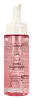
This malic acid foaming cleanser is formulated around Malic Acid to exfoliate and smooth skin.
This mild gel cleanser is made to cleanse without leaving your skin tight or dry.


What's inside
What's inside
 Key Ingredients
No key ingredients
Benefits
Concerns
Ingredients Side-by-side
Water
Skin ConditioningSorbitol
Humectant

Glycerin
Humectant
Decyl Glucoside
Cleansing
Disodium Cocoyl Glutamate
Cleansing
Sodium Cocoamphoacetate
CleansingPanthenol
Skin Conditioning

Malic Acid
Buffering





Butylene Glycol
Humectant
Inulin
Skin Conditioning
Sodium Lactate
Buffering
Sodium PCA
Humectant
Glycine
Buffering
Fructose
Humectant
Urea
Buffering

Niacinamide
Smoothing




Inositol
Humectant
Lactic Acid
Buffering
Propylene Glycol
Humectant
Euphrasia Officinalis Extract
AntimicrobialSodium Benzoate
Masking
Parfum
Masking

Citric Acid
Buffering
Water, Sorbitol, Glycerin, Decyl Glucoside, Disodium Cocoyl Glutamate, Sodium Cocoamphoacetate, Panthenol, Malic Acid, Butylene Glycol, Inulin, Sodium Lactate, Sodium PCA, Glycine, Fructose, Urea, Niacinamide, Inositol, Lactic Acid, Propylene Glycol, Euphrasia Officinalis Extract, Sodium Benzoate, Parfum, Citric Acid
Aloe Barbadensis Leaf Juice
Skin Conditioning
Glycerin
Humectant
Water
Skin ConditioningDecyl Glucoside
Cleansing
Inulin
Skin Conditioning
Disodium Cocoyl Glutamate
Cleansing
Xanthan Gum
EmulsifyingPropanediol
Solvent
Glyceryl Citrate Crosspolymer
Skin ConditioningSodium Cocoyl Glutamate
Cleansing
Enteromorpha Compressa Extract
Skin Protecting
Silybum Marianum Fruit Extract
Skin Conditioning
Ocimum Sanctum Leaf Extract
Skin ConditioningCaprylyl/Capryl Wheat Bran/Straw Glycosides
CleansingSorbitol
Humectant
Sodium Levulinate
Skin ConditioningSodium Anisate
AntimicrobialPhytic Acid
Chelating
Citric Acid
Buffering
Aloe Barbadensis Leaf Juice, Glycerin, Water, Decyl Glucoside, Inulin, Disodium Cocoyl Glutamate, Xanthan Gum, Propanediol, Glyceryl Citrate Crosspolymer, Sodium Cocoyl Glutamate, Enteromorpha Compressa Extract, Silybum Marianum Fruit Extract, Ocimum Sanctum Leaf Extract, Caprylyl/Capryl Wheat Bran/Straw Glycosides, Sorbitol, Sodium Levulinate, Sodium Anisate, Phytic Acid, Citric Acid
Reviews
Ingredients Explained
These ingredients are found in both products.
Ingredients higher up in an ingredient list are typically present in a larger amount.
Citric Acid is an alpha hydroxy acid (AHA) naturally found in citrus fruits like oranges, lemons, and limes.
Like other AHAs, citric acid can exfoliate skin by breaking down the bonds that hold dead skin cells together. This helps reveal smoother and brighter skin underneath.
However, this exfoliating effect only happens at high concentrations (20%) which can be hard to find in cosmetic products.
Due to this, citric acid is usually included in small amounts as a pH adjuster. This helps keep products slightly more acidic and compatible with skin's natural pH.
In skincare formulas, citric acid can:
While it can provide some skin benefits, research shows lactic acid and glycolic acid are generally more effective and less irritating exfoliants.
Most citric acid used in skincare today is made by fermenting sugars (usually from molasses). This synthetic version is identical to the natural citrus form but easier to stabilize and use in formulations.
Rosacea skin has a lower threshold for acids generally, with 62.5% of rosacea subjects in one study reacting to lactic acid in a sting test. This is why we mark citric acid as a potential rosacea trigger.
However, this ingredient shows up as a pH adjuster or chelator at roughly 0.1-1% in many products. These low levels are unlikely to be an issue for rosacea skin and becomes a potential trigger at exfoliating concentrations (20%). Because everybody's skin is unique, we recommend a patch test if you are unsure.
Learn more about Citric AcidDecyl Glucoside is a plant-derived surfactant and emulsion stabilizer. It is created by reacting glucose with the fatty acids from plants.
Like all surfactants, it works by lowering the surface tension between water and oil. This makes it so that dirt, sebum, and makeup can be lifted off your skin and rinsed away. It also produces a dense and creamy foam.
Because it has a neutral charge, it is compatible with a wide range of ingredients and stays stable across a broad pH range/water hardiness conditions.
Patch testing has shown it to have the lowest irritation potential among common cleansing surfactants (like SLS).
Typical use levels range from 5-20% in rinse-off cleansers.
One thing worth knowing: The American Contact Dermatitis Society named the parent family, alkyl glucosides, "Allergen of the Year" in 2017. The prevalence of allergy is pretty low but be sure to patch test if you've reacted to "gentle" or sulfate-free cleansers before.
This ingredient is fungal acne safe because the fatty alcohol portion of this ingredient is not within the C11-24 chain length that Malassezia can metabolize.
Learn more about Decyl GlucosideWe don't have a description for Disodium Cocoyl Glutamate yet.
Glycerin (or glycerol) is a compound naturally found in your skin. It's a powerhouse humectant that pulls water into the stratum corneum.
Topically, glycerin does several things at once:
Your skin makes glycerin on its own (mostly from sebaceous oil breakdown) and shuttles it to your outermost layer of skin, or your epidermis, via aquaporin-3.
Aquaporin-3 is a transporter that is essential for normal skin hydration, elasticity, and repair. Interestingly, mice lacking in AQP3 have dry and less elastic skin that can be fully corrected with glycerin.
This ingredient is non-irritating, plays well with almost every ingredient, and works across all skin types. Typical use is anywhere between 3-10% but can go up to 79% in some leave-on products.
Just know very high concentrations (>40%) can feel tacky in low humidity.
Glycerin is the name for this ingredient in American English. British English uses Glycerol/Glycerine.
Learn more about GlycerinInulin is a polysaccharide (carbohydrate) with prebiotic and antioxidant properties.
The majority of inulin is extracted from chicory, but can also be obtained from other plants such as garlic, onion, asparagus, and sugarcane.
Studies show inulin may help with controlling your skin's natural microbiota when applied topically.
The antioxidant potential of inulin varies depending on the source.
Learn more about InulinSorbitol is a sugar alcohol. It is a hydrating and moisturizing agent created from the reduction process of glucose.
Most sorbitol is usually made from potato starch. It is also found in fruits such as apples and pears.
As a humectant, Sorbitol helps draw water to the skin. This helps keep the skin hydrated. Sorbitol also helps create a thicker texture in products. You might find sorbitol in your toothpaste and other gels.
It is a non-irritating ingredient that is great for those with dry skin.
Sorbitol is a prebiotic. It helps promote the growth of healthy bacteria on your skin. The bacteria on your skin form a microbiome. This microbiome helps protect your skin from infection and harmful bacteria.
Learn more about SorbitolWater. It's the most common cosmetic ingredient of all. You'll usually see it at the top of ingredient lists, meaning that it makes up the largest part of the product.
So why is it so popular? Water most often acts as a solvent - this means that it helps dissolve other ingredients into the formulation.
You'll also recognize water as that liquid we all need to stay alive. If you see this, drink a glass of water. Remember to stay hydrated!
Learn more about Water

