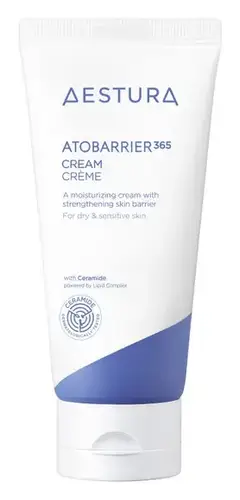
What's inside
What's inside
 Key Ingredients
Benefits
Concerns
No concerns
Ingredients Side-by-side
Water
Skin ConditioningButylene Glycol
Humectant

Methylpropanediol
Solvent1,2-Hexanediol
Skin Conditioning
Dimethyl Sulfone
SolventDipotassium Glycyrrhizate
Humectant

Madecassoside
Antioxidant



Zinc Gluconate
Skin Conditioning



Allantoin
Skin Conditioning
Ethylhexanamide Serinol
EmollientOleamide Mea
Methylbenzyl Methylbenzimidazole Piperidinylmethanone
Sodium Hyaluronate
Humectant
Acrylates/C10-30 Alkyl Acrylate Crosspolymer
Emulsion StabilisingPolyphosphorylcholine Glycol Acrylate
Arginine
Masking
Sodium Citrate
BufferingWater, Butylene Glycol, Methylpropanediol, 1,2-Hexanediol, Dimethyl Sulfone, Dipotassium Glycyrrhizate, Madecassoside, Zinc Gluconate, Allantoin, Ethylhexanamide Serinol, Oleamide Mea, Methylbenzyl Methylbenzimidazole Piperidinylmethanone, Sodium Hyaluronate, Acrylates/C10-30 Alkyl Acrylate Crosspolymer, Polyphosphorylcholine Glycol Acrylate, Arginine, Sodium Citrate
Water
Skin ConditioningGlycerin
Humectant
Propanediol
Solvent
Caprylic/Capric Triglyceride
Masking
Sorbitan Stearate
Emulsifying

Cetearyl Alcohol
Emollient



Carthamus Tinctorius Seed Oil
Masking
Glyceryl Stearate
Emollient
Stearic Acid
Cleansing
Dimethicone
Emollient
Myristoyl/Palmitoyl Oxostearamide/Arachamide Mea
Skin ConditioningMethyl Caprooyl Tyrosinate
Skin ProtectingPhytosterols
Skin Conditioning
Tocopheryl Acetate
Antioxidant

Bisabolol
Antioxidant
Xanthan Gum
EmulsifyingSodium Hyaluronate
Humectant
Carbomer
Emulsion StabilisingArginine
Masking
1,2-Hexanediol
Skin Conditioning
Caprylyl Glycol
Emollient
Tropolone
Skin ConditioningWater, Glycerin, Propanediol, Caprylic/Capric Triglyceride, Sorbitan Stearate, Cetearyl Alcohol, Carthamus Tinctorius Seed Oil, Glyceryl Stearate, Stearic Acid, Dimethicone, Myristoyl/Palmitoyl Oxostearamide/Arachamide Mea, Methyl Caprooyl Tyrosinate, Phytosterols, Tocopheryl Acetate, Bisabolol, Xanthan Gum, Sodium Hyaluronate, Carbomer, Arginine, 1,2-Hexanediol, Caprylyl Glycol, Tropolone
Reviews
Ingredients Explained
These ingredients are found in both products.
Ingredients higher up in an ingredient list are typically present in a larger amount.
1,2-Hexanediol is a synthetic liquid and another multi-functional powerhouse.
It is a:
- Humectant, drawing moisture into the skin
- Emollient, helping to soften skin
- Solvent, dispersing and stabilizing formulas
- Preservative booster, enhancing the antimicrobial activity of other preservatives
Arginine is a semi-essential amino acid. This just means our bodies can product a bit on its own, but sometimes needs a little boost from food sources.
It is a part of your skin's natural moisturizing factor (NMF), or the water-loving molecules in your outermost layer of skin (stratum corneum) that keeps everything hydrated and happy.
Here's an interesting thing about Arginine: your skin converts it into urea through the Krebs-Henseleit urea cycle. Urea is one of the most effective humectants your skin naturally produces.
A clinical study showed applying 2.5% arginine hydrochloride to atopic dermatitis skin showed significant urea levels in the stratum corneum and improved moisture in just four weeks.
Arginine is also a precursor to nitric oxide; nitric oxide improves microcirculation and supports wound healing and collagen synthesis.
One study found that an amino acid complex containing Arginine reduced skin irritation, improved hydration, and accelerated skin repair in clinical / in-vivo studies.
Arginine itself is an amino acid and not a fatty acid, oil, or ester. On its own, it's not a direct food source for Malassezia, or the yeast that causes fungal acne.
Learn more about ArginineSodium Hyaluronate is the salt form of hyaluronic acid. It is a long sugar chain that is naturally found in your skin, joints, and connective tissue that maintains hydration and elasticity.
In skincare, it works as a humectant. It pulls water from the environment and deeper layers of skin and binds it to the surface.
Interestingly, the size of the molecule affects its behavior:
Some clinical evidence links low molecular weight versions to improved wrinkle depth, elasticity, anti-inflammatory effects, and barrier repair.
Many serums use a blend of both weights so you can get surface hydration plus longer-lasting and deeper effects.
You'll typically see concentrations between 0.1-2% for this ingredient.
Learn more about Sodium HyaluronateWater. It's the most common cosmetic ingredient of all. You'll usually see it at the top of ingredient lists, meaning that it makes up the largest part of the product.
So why is it so popular? Water most often acts as a solvent - this means that it helps dissolve other ingredients into the formulation.
You'll also recognize water as that liquid we all need to stay alive. If you see this, drink a glass of water. Remember to stay hydrated!
Learn more about Water