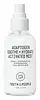
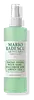
Youth To The People Adaptogen Soothe + Hydrate Activated Mist with Peptides Versus Mario Badescu Facial Spray with Aloe, Cucumber and Green Tea
This hydrating treatment is formulated around Aloe Barbadensis Leaf Juice and Ganoderma Lucidum Extract to hydrate skin and calm redness.
This hydrating toner is formulated around Aloe Barbadensis Leaf Juice and Camellia Sinensis Leaf Extract to hydrate skin and calm redness.

What's inside
What's inside
 Key Ingredients
Benefits
Concerns
Ingredients Side-by-side
Water
Skin ConditioningPropanediol
Solvent

Aloe Barbadensis Leaf Juice
Skin Conditioning

Pentapeptide-59
Skin Conditioning
Hydrogenated Lecithin
Emulsifying
Butyrospermum Parkii Butter
Skin Conditioning




Phenethyl Alcohol
MaskingEthylhexylglycerin
Skin ConditioningMaltodextrin
Absorbent
Ganoderma Lucidum Extract
Skin Protecting
Xanthan Gum
EmulsifyingBetaine
Humectant
1,2-Hexanediol
Skin Conditioning
Caprylyl Glycol
Emollient
Potassium Sorbate
Preservative
Glycerin
Humectant
Withania Somnifera Extract
Skin ConditioningOcimum Tenuiflorum Extract
Skin ConditioningRhodiola Rosea Extract
EmollientLactic Acid
Buffering







Sodium Hyaluronate
Humectant
Phenoxyethanol
Preservative
Sodium Benzoate
Masking
Water, Propanediol, Aloe Barbadensis Leaf Juice, Pentapeptide-59, Hydrogenated Lecithin, Butyrospermum Parkii Butter, Phenethyl Alcohol, Ethylhexylglycerin, Maltodextrin, Ganoderma Lucidum Extract, Xanthan Gum, Betaine, 1,2-Hexanediol, Caprylyl Glycol, Potassium Sorbate, Glycerin, Withania Somnifera Extract, Ocimum Tenuiflorum Extract, Rhodiola Rosea Extract, Lactic Acid, Sodium Hyaluronate, Phenoxyethanol, Sodium Benzoate
Water
Skin ConditioningPropylene Glycol
Humectant
Mentha Piperita Leaf Water
Skin ConditioningCucumis Sativus Fruit Water
Skin ConditioningAloe Barbadensis Leaf Juice
Skin Conditioning
Camellia Sinensis Leaf Extract
Antimicrobial
Cucumis Sativus Fruit Extract
Emollient
Fucus Vesiculosus Extract
Emollient
Propanediol
Solvent
Polysorbate 20
Emulsifying
Ethylhexylglycerin
Skin ConditioningBenzophenone-4
UV Absorber
Parfum
Masking

Sodium Chloride
MaskingCitric Acid
Buffering
Potassium Sorbate
Preservative
Sodium Benzoate
Masking
Hexyl Cinnamal
Perfuming
Limonene
Perfuming
Linalool
Perfuming
CI 19140
Cosmetic ColorantCI 42090
Cosmetic ColorantWater, Propylene Glycol, Mentha Piperita Leaf Water, Cucumis Sativus Fruit Water, Aloe Barbadensis Leaf Juice, Camellia Sinensis Leaf Extract, Cucumis Sativus Fruit Extract, Fucus Vesiculosus Extract, Propanediol, Polysorbate 20, Ethylhexylglycerin, Benzophenone-4, Parfum, Sodium Chloride, Citric Acid, Potassium Sorbate, Sodium Benzoate, Hexyl Cinnamal, Limonene, Linalool, CI 19140, CI 42090
Reviews
Ingredients Explained
These ingredients are found in both products.
Ingredients higher up in an ingredient list are typically present in a larger amount.
Aloe Barbadensis Leaf Juice is the filtered, stabilized liquid pressed from the inner gel of the aloe vera leaf.
In cosmetics, it shows up as either soothing active or a water-replacement base. It is roughly 98-99% water and the last 1-2% is an interesting mix of polysaccharides, amino acids, vitamins, minerals, and enzymes.
The polysaccharides do most of the work: they bind water at the skin surface for a light, non-greasy hydration boost. And one of the polysaccharides, glycomannan, is linked to fibroblast stimulation + collagen synthesis. This is also why aloe has such a long track record in wound and burn healing.
This ingredient is also calming with anti-inflammatory and mild antimicrobial activity, making it a great pick for sensitive, irritated, or post-sun skin.
Realistic expectations matter though; the solid evidence is mostly limited to hydration, soothing, and wound support. Deeper claims about anti-aging or sun protection are not well backed, and science reviews note it does not prevent radiation-induced skin injury.
Because it plays well with almost everything, it's commonly used as a base alongside other actives like niacinamide or vitamin C.
Typical usage concentrations range from 0.5% (where hydration benefits already show up) all the way to 90%+ (where it replaces water as the main base).
The safety for this ingredient is well-establish as well. Overall, this is a great supporting ingredient for those who want a boost in hydration.
Learn more about Aloe Barbadensis Leaf JuiceEthylhexylglycerin is created from glycerin. It is a multitasker ingredient that:
The CIR Expert Panel found minimal skin absorption or sensitization of any kind in a safety assessment. Though this ingredient is considered well-tolerated, a small number of cases of allergic dermatitis have been published since 2002. Just be sure to patch test if you are unsure.
Industry-reported use ranges from 8% in rinse-off products and 2% in leave-on formulations.
Learn more about EthylhexylglycerinPotassium Sorbate is a preservative used to prevent yeast and mold in products. It is commonly found in both cosmetic and food products.
This ingredient comes from potassium salt derived from sorbic acid. Sorbic acid is a natural antibiotic and effective against fungus.
Both potassium sorbate and sorbic acid can be found in baked goods, cheeses, dried meats, dried fruit, ice cream, pickles, wine, yogurt, and more.
You'll often find this ingredient used with other preservatives.
Learn more about Potassium SorbatePropanediol is an all-star ingredient. It softens, hydrates, and smooths the skin.
It’s often used to:
Propanediol is not likely to cause sensitivity and considered safe to use. It is derived from corn or petroleum with a clear color and no scent.
Learn more about PropanediolSodium Benzoate is a preservative. It's used in both cosmetic and food products to inhibit the growth of mold and bacteria. It is typically produced synthetically.
Both the US FDA and EU Health Committee have approved the use of sodium benzoate. In the US, levels of 0.1% (of the total product) are allowed.
Sodium benzoate works as a preservative by inhibiting the growth of bacteria inside of cells. It prevents the cell from fermenting a type of sugar using an enzyme called phosphofructokinase.
It is the salt of benzoic acid. Foods containing sodium benzoate include soda, salad dressings, condiments, fruit juices, wines, and snack foods.
Studies for using ascorbic acid and sodium benzoate in cosmetics are lacking, especially in skincare routines with multiple steps.
We always recommend speaking with a professional, such as a dermatologist, if you have any concerns.
Learn more about Sodium BenzoateWater. It's the most common cosmetic ingredient of all. You'll usually see it at the top of ingredient lists, meaning that it makes up the largest part of the product.
So why is it so popular? Water most often acts as a solvent - this means that it helps dissolve other ingredients into the formulation.
You'll also recognize water as that liquid we all need to stay alive. If you see this, drink a glass of water. Remember to stay hydrated!
Learn more about Water

