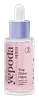
This anti-aging oil is formulated around Squalane and Bakuchiol to soften the look of wrinkles and brighten dull-looking skin.
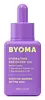
This hydrating oil is formulated around Simmondsia Chinensis Seed Oil and Hippophae Rhamnoides Oil to hydrate skin and strengthen the skin barrier.


What's inside
What's inside
 Key Ingredients
Benefits
Concerns
Ingredients Side-by-side
Macadamia Ternifolia Seed Oil
Emollient



Squalane
Emollient

Simmondsia Chinensis Seed Oil
Emollient
Bakuchiol
Antimicrobial







Bisabolol
Antioxidant
Curcuma Longa Root Extract
Antioxidant
Aloe Barbadensis Flower Extract
EmollientMoringa Oleifera Seed Oil
Emollient

Melia Azadirachta Leaf Extract
Skin ConditioningMelia Azadirachta Flower Extract
Skin ConditioningCoccinia Indica Fruit Extract
Skin Conditioning
Eclipta Prostrata Extract
Skin Conditioning
Solanum Melongena Fruit Extract
Skin ConditioningCorallina Officinalis Extract
Skin Conditioning
Ocimum Sanctum Leaf Extract
Skin ConditioningMacadamia Ternifolia Seed Oil, Squalane, Simmondsia Chinensis Seed Oil, Bakuchiol, Bisabolol, Curcuma Longa Root Extract, Aloe Barbadensis Flower Extract, Moringa Oleifera Seed Oil, Melia Azadirachta Leaf Extract, Melia Azadirachta Flower Extract, Coccinia Indica Fruit Extract, Eclipta Prostrata Extract, Solanum Melongena Fruit Extract, Corallina Officinalis Extract, Ocimum Sanctum Leaf Extract
Helianthus Annuus Seed Oil
Emollient
Macadamia Ternifolia Seed Oil
Emollient
Simmondsia Chinensis Seed Oil
Emollient
Hippophae Rhamnoides Oil
Emollient
Dipropylene Glycol
HumectantSqualane
Emollient
Sphingolipids
Emollient
Hydroxyacetophenone
Antioxidant
Olea Europaea Fruit Oil
Masking
Rosa Canina Fruit Oil
Emollient
Prunus Amygdalus Dulcis Oil
Skin Conditioning
Caprylyl Glycol
Emollient
Ceramide NP
Skin Conditioning
Ethylhexylglycerin
Skin ConditioningTocopherol
Antioxidant
Dipotassium Glycyrrhizate
Humectant
Tanacetum Annuum Flower Oil
Masking
Helianthus Annuus Seed Oil, Macadamia Ternifolia Seed Oil, Simmondsia Chinensis Seed Oil, Hippophae Rhamnoides Oil, Dipropylene Glycol, Squalane, Sphingolipids, Hydroxyacetophenone, Olea Europaea Fruit Oil, Rosa Canina Fruit Oil, Prunus Amygdalus Dulcis Oil, Caprylyl Glycol, Ceramide NP, Ethylhexylglycerin, Tocopherol, Dipotassium Glycyrrhizate, Tanacetum Annuum Flower Oil
Reviews
Ingredients Explained
These ingredients are found in both products.
Ingredients higher up in an ingredient list are typically present in a larger amount.
This ingredient is also known as Macadamia Seed Oil. It's an emollient with a fatty acid profile that closely mirrors the skin's own lipid makeup.
The palmitoleic acid content is especially notable as it's somewhat rare in plant oils. Palmitoleic acid is something your skin already makes naturally. It helps keep cell membranes structured and plays a role in fighting off harmful microbes.
This palmitoleic content is also part of why macademia seed oil absorbs quickly and doesn't leave much of a greasy residue.
It also contains oleic acid, linoleic acid, and phytosterols that can help reduce redness.
In vitro research has shown the oil to have meaningful antioxidant activity, protect fats in the skin from oxidative damage, and slow down the enzyme that breaks down hyaluronic acid.
A 2024 clinical study found it effective at improving skin hydratino and reducing wrinkle appearance when formulated into nanoemulsions.
Because it carries oleic acid (C18) and palmitic acid (C16), this ingredient may not be fungal acne safe. This is because the Malassezia yeast metabolizes in the C11-24 chain length range.
You'll also see this ingredient listed as: Macadamia Integrifolia Seed Oil .
These two oils are identical in composition and M. ternifolia is an older INCI naming convention for the edible macadamia nut while M. integrifolia is the species actually cultivated for oil production. Both names refer to the same oil.
Learn more about Macadamia Ternifolia Seed OilJojoba oil is one of the most well-studied plant-derived ingredients in cosmetics. It is an emollient with a special structure.
Because it is made up of 97-98% wax esters, it closely mirrors the linear monoesters found in human sebum. This makes it skin compatible, non-greasy, and lightweight.
Unlike other plant oils, jojoba wax doesn't easily penetrate skin. It mostly works in the uppermost layers as an emollient. This just means it forms a light barrier on the skin to help retain moisture.
Formulations with jojoba esters up to 90% reduced transepidermal water loss (TEWL) and increased barrier recovery by 81% (outperforming bisabolol at 47%).
Besides barrier support, the science also suggests jojoba to have anti-inflammatory effects and potential applications for skin infections, aging, and wound healing.
Fun fact: Indigenous cultures have used jojoba as a moisturizer and to help treat burns for centuries.
Fungal acne: The Malassezia yeast is known to metabolize fatty acids in the C11-24 range and jojoba's dominant fatty acid components fall into this range. This ingredient may not be fungal acne safe.
Learn more about Simmondsia Chinensis Seed OilSqualane is the hydrogenated and shelf-stable form of squalene (a lipid that naturally occurs in human sebum).
It is an emollient and skin conditioning agent that is able to integrate seamlessly into the skin's lipid barrier without clogging pores.
This is due to how structurally similar it is to what your skin already produces.
Though it is mostly an emollient that helps soften and hydrate skin, it also has some humectant and occlusive action. Humectants help the skin retain moisture while occlusives seal it in, making squalane a triple-threat moisturizer.
Research shows it has antioxidant capabilities that help protect against stressors like UV exposure, specifically UVA induced oxidative stress. This study also found that it supports collagen biosynthesis in human dermal fibroblasts.
No clinical study has reported significant adverse effects and irritation reactions are very rare from this ingredient (even at 100% concentration).
Overall, it's a fantastic ingredient for hydration and is suitable for all skin types.
This depends on the source. Squalane can be derived from both plants and animals. Most squalane used in skincare comes from plants.
Please note: the source of squalane is only known if disclosed by the brand. We recommend reaching out to the brand if you have any questions about their squalane.
Read more about squalene with an "e".
Though squalane is often called an oil, it’s technically not one. It is a hydrocarbon, meaning it is only made of carbon and hydrogen. True oils are triglycerides and made of fatty acids and glycerol.
The term “oil-free” isn’t regulated so companies can define it however they want. Some exclude all oils, while others just avoid mineral oil or comedogenic oils.
Squalane has a comedogenic rating of 1 from the original 1972 study that tested raw ingredients under occlusion on rabbit ears. This system is not standardized or peer-reviewed, and using the raw ingredients is very different from how diluted cosmetic formulations are used on human skin.
A comedogenic rating of 1 means it is "unlikely to clog pores" according to the original rating system.
The overall formula of a product matters more than the individual ingredients on whether or not it will cause clogged pores.
Learn more about Squalane

