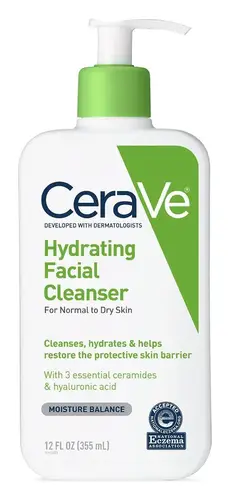
Yadah Cosmetics Revitalizing Super Snail Cleansing Foam Versus Caudalie Vinoclean Instant Foaming Cleanser
This mild foaming cleanser is made to cleanse without leaving your skin tight or dry.
This mild foaming cleanser is mild enough to cleanse without leaving skin feeling tight or stripped.


What's inside
What's inside
 Key Ingredients
No key ingredients
Benefits
Concerns
Ingredients Side-by-side
Water
Skin ConditioningGlycerin
Humectant


Sodium Cocoyl Isethionate
Cleansing
Coco-Betaine
Cleansing
Snail Secretion Filtrate
Skin Conditioning


Caprylyl Glycol
Emollient
Acrylates/C10-30 Alkyl Acrylate Crosspolymer
Emulsion StabilisingArginine
Masking
Guar Hydroxypropyltrimonium Chloride
Skin ConditioningLavandula Angustifolia Oil
Masking




Linalool
Perfuming

Allantoin
Skin Conditioning
1,2-Hexanediol
Skin Conditioning
Citrus Paradisi Peel Oil
Masking
Water
Skin ConditioningGlycerin
Humectant
Sodium Cocoyl Glutamate
Cleansing
Caprylyl/Capryl Glucoside
CleansingCocamidopropyl Betaine
Cleansing
Coco-Betaine
Cleansing
Caprylyl Glycol
Emollient
Citric Acid
Buffering

Potassium Sorbate
Preservative
Sodium Cocoyl Isethionate
Cleansing
Sodium Methyl Cocoyl Taurate
Cleansing
Sodium Chloride
MaskingSodium Phytate
ChelatingButylene Glycol
Humectant
Chamomilla Recutita Flower Extract
Masking
Linalool
Perfuming
Salvia Officinalis Leaf Extract
CleansingCitronellol
Perfuming
Vitis Vinifera Fruit Extract
Skin ConditioningParfum
Masking
Water, Glycerin, Sodium Cocoyl Glutamate, Caprylyl/Capryl Glucoside, Cocamidopropyl Betaine, Coco-Betaine, Caprylyl Glycol, Citric Acid, Potassium Sorbate, Sodium Cocoyl Isethionate, Sodium Methyl Cocoyl Taurate, Sodium Chloride, Sodium Phytate, Butylene Glycol, Chamomilla Recutita Flower Extract, Linalool, Salvia Officinalis Leaf Extract, Citronellol, Vitis Vinifera Fruit Extract, Parfum
Reviews
Ingredients Explained
These ingredients are found in both products.
Ingredients higher up in an ingredient list are typically present in a larger amount.
Caprylyl Glycol is a humectant, skin conditioner, emollient, and preservative booster derived from either caprylic acid or synthetically created.
Typical use levels vary from 0.3-1% as a preservative booster and go up to 2% to condition skin.
Because it is not a free-fatty acid, this ingredient is fungal acne safe (there's nothing for Malassezia to feed on).
Learn more about Caprylyl GlycolCoco-Betaine is the natural version of Cocamidopropyl Betaine. It is often derived from coconuts.
Coco-Betaine is a surfactant, meaning it helps remove dirt and oil from the skin.
Glycerin (or glycerol) is a compound naturally found in your skin. It's a powerhouse humectant that pulls water into the stratum corneum.
Topically, glycerin does several things at once:
Your skin makes glycerin on its own (mostly from sebaceous oil breakdown) and shuttles it to your outermost layer of skin, or your epidermis, via aquaporin-3.
Aquaporin-3 is a transporter that is essential for normal skin hydration, elasticity, and repair. Interestingly, mice lacking in AQP3 have dry and less elastic skin that can be fully corrected with glycerin.
This ingredient is non-irritating, plays well with almost every ingredient, and works across all skin types. Typical use is anywhere between 3-10% but can go up to 79% in some leave-on products.
Just know very high concentrations (>40%) can feel tacky in low humidity.
Glycerin is the name for this ingredient in American English. British English uses Glycerol/Glycerine.
Learn more about GlycerinLinalool is a small, naturally occurring scent molecule found in plants like lavender, coriander, bergamot, and more.
It is one of the two most-used fragrance ingredients in cosmetics and added purely for smell. Since it's not used for a skin benefit, there's no "effective dose". Concentration depends on the fragrance load of the product.
The EU requires it to be named on the label above 0.001% in leave-on and 0.01% in rinse-off products.
Fresh linalool is a weak sensitizer but air exposure turns some of it into hydroperoxides, which are strong sensitizers. Those oxidation products are the actual allergy concern.
Patch-test clinics see positive reactions to linalool hydroperoxides in about 4% to 12% of dermatitis patients depending on country and test concentration.
Resassuringly, one analytical study found hydroperoxide levels in real fragranced products to be orders of magnitude below what induced sensitization in animal studies with no evidence of oxidation building up during normal storage.
The practical takeaway is that linalool is fine for most people but worth avoiding if you have a confirmed fragrance contact allergy or a badly compromised barrier.
Products stored a long time after opening are also the high-risk scenario since that is when oxidation happens.
The scent of linalool is described as floral, spicy tropical, and citrus-like.
Learn more about LinaloolSodium cocoyl isethionate is a natural ingredient from coconut oil. It is an ultra gentle cleanser that gives a nice foam without drying the skin or impacting the skin barrier.
The amount of foam created depends on the amount of sodium cocoyl isethionate used in the product.
This ingredient also helps improve the spreadability of a product.
This ingredient hasn’t been shown in studies to feed fungal acne yeast.
Learn more about Sodium Cocoyl IsethionateWater. It's the most common cosmetic ingredient of all. You'll usually see it at the top of ingredient lists, meaning that it makes up the largest part of the product.
So why is it so popular? Water most often acts as a solvent - this means that it helps dissolve other ingredients into the formulation.
You'll also recognize water as that liquid we all need to stay alive. If you see this, drink a glass of water. Remember to stay hydrated!
Learn more about Water