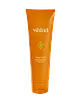
This oil-based makeup remover is made to dissolve makeup, sunscreen, and daily buildup.
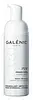
This mild gel cleanser is mild enough to cleanse without leaving skin feeling tight or stripped.


What's inside
What's inside
 Key Ingredients
Benefits
Concerns
Ingredients Side-by-side
Helianthus Annuus Seed Oil
Emollient



Glycerin
Humectant

Caprylic/Capric Triglyceride
Masking
Cocos Nucifera Oil
Masking



Water
Skin ConditioningSucrose Stearate
EmollientCitrus Aurantium Amara Flower Water
MaskingSucrose Laurate
Emollient
Rosa Canina Fruit Oil
Emollient
Sodium Levulinate
Skin ConditioningAlcohol
Antimicrobial


Sodium Anisate
AntimicrobialCitric Acid
Buffering

Tocopherol
Antioxidant




Niacinamide
Smoothing





Citrus Aurantium Amara Flower Oil
Masking
Benzyl Alcohol
Perfuming


Dehydroacetic Acid
Preservative
Beta-Carotene
Skin ConditioningDaucus Carota Sativa Root Extract
Skin Conditioning
Daucus Carota Sativa Seed Oil
Emollient
Rosa Hybrid Flower Extract
Skin ConditioningAscorbyl Palmitate
Antioxidant
Linalool
Perfuming
Limonene
Perfuming
Helianthus Annuus Seed Oil, Glycerin, Caprylic/Capric Triglyceride, Cocos Nucifera Oil, Water, Sucrose Stearate, Citrus Aurantium Amara Flower Water, Sucrose Laurate, Rosa Canina Fruit Oil, Sodium Levulinate, Alcohol, Sodium Anisate, Citric Acid, Tocopherol, Niacinamide, Citrus Aurantium Amara Flower Oil, Benzyl Alcohol, Dehydroacetic Acid, Beta-Carotene, Daucus Carota Sativa Root Extract, Daucus Carota Sativa Seed Oil, Rosa Hybrid Flower Extract, Ascorbyl Palmitate, Linalool, Limonene
Water
Skin ConditioningDisodium Cocoyl Glutamate
Cleansing
Pentylene Glycol
Skin Conditioning
Ceteareth-50
CleansingPropylene Glycol
Humectant
Disodium Laureth Sulfosuccinate
CleansingMelilotus Officinalis Flower Water
Skin ConditioningPEG-120 Methyl Glucose Dioleate
Emulsifying
Sodium Chloride
MaskingParfum
Masking
Lactic Acid
Buffering
Laureth-3
EmulsifyingMaleic Acid
BufferingPhenoxyethanol
Preservative
Tocopherol
Antioxidant
Ingredients Explained
These ingredients are found in both products.
Ingredients higher up in an ingredient list are typically present in a larger amount.
Tocopherol is a fat-soluble antioxidant known as Vitamin E.
You'll find this ingredient in the vast majority of skincare (for good reason). It works to neutralize free radicals, or unstable molecules generated by UV exposure, pollution, and other environmental stressors, before they can cause oxidative damage to your skin cells.
Topically applied tocopherol has been shown to protect against UV damage by ramping up the skin's own natural defense enzymes.
It also acts as a skin conditioning agent; some studies show that regular topical use can improve the skin's water-binding capacity over 2-4 weeks.
This ingredient is especially loved for being a team player. When combined with Vitamin C, the photoprotective effect of both ingredients roughly doubles and the combo also helps reduce UV-induced DNA damage.
This ingredient has some brightening potential but it's more of a prevention ingredient than spot-fader. Cell studies show it can slow down melanin production but it's worth noting that it's not the most powerful brightener out there.
In formulations, it also serves as a stabilizer that helps protect other oxidation-prone ingredients from degrading.
Concentrations usually range from 0.1-1% in most leave-on products.
Learn more about TocopherolWater. It's the most common cosmetic ingredient of all. You'll usually see it at the top of ingredient lists, meaning that it makes up the largest part of the product.
So why is it so popular? Water most often acts as a solvent - this means that it helps dissolve other ingredients into the formulation.
You'll also recognize water as that liquid we all need to stay alive. If you see this, drink a glass of water. Remember to stay hydrated!
Learn more about Water

