
What's inside
What's inside
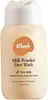 Key Ingredients
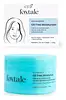
Benefits
Concerns
No concerns
Ingredients Side-by-side


Water
Skin ConditioningPropylene Glycol
Humectant


Glycerin
Humectant

Niacinamide
Smoothing









Betaine
Humectant
PEG-12 Dimethicone
Skin Conditioning
Phenoxyethanol
Preservative
Ethylhexylglycerin
Skin ConditioningOctenidine Hcl
AntimicrobialAcrylates/C10-30 Alkyl Acrylate Crosspolymer
Emulsion StabilisingSodium Hyaluronate
Humectant
Chondrus Crispus Extract
Skin Conditioning
Citric Acid
Buffering
Hydrogenated Starch Hydrolysate
HumectantAphanizomenon Flos-Aquae Extract
HumectantSodium Benzoate
Masking
Aminomethyl Propanol
BufferingDisodium EDTA
Parfum
Masking

CI 42090
Cosmetic ColorantWater, Propylene Glycol, Glycerin, Niacinamide, Betaine, PEG-12 Dimethicone, Phenoxyethanol, Ethylhexylglycerin, Octenidine Hcl, Acrylates/C10-30 Alkyl Acrylate Crosspolymer, Sodium Hyaluronate, Chondrus Crispus Extract, Citric Acid, Hydrogenated Starch Hydrolysate, Aphanizomenon Flos-Aquae Extract, Sodium Benzoate, Aminomethyl Propanol, Disodium EDTA, Parfum, CI 42090
Ingredients Explained
These ingredients are found in both products.
Ingredients higher up in an ingredient list are typically present in a larger amount.
Betaine is a humectant. Like hyaluronic acid, it helps attract and retain moisture in the skin. It’s known for being gentle and for helping the skin maintain balanced hydration.
Betaine is mainly used to improve hydration and support calmer skin. It helps skin cells regulate water balance because it functions as an osmolyte.
Some studies suggest betaine may support making skin tone more even.
Fun fact: Betaine naturally exists in the skin and the body. In cosmetic products, it can be either plant-derived (most commonly from sugar beets) or synthetically produced for consistency and stability.
Betaine is also known as trimethylglycine.
Learn more about BetaineSodium Benzoate is a preservative. It's used in both cosmetic and food products to inhibit the growth of mold and bacteria. It is typically produced synthetically.
Both the US FDA and EU Health Committee have approved the use of sodium benzoate. In the US, levels of 0.1% (of the total product) are allowed.
Sodium benzoate works as a preservative by inhibiting the growth of bacteria inside of cells. It prevents the cell from fermenting a type of sugar using an enzyme called phosphofructokinase.
It is the salt of benzoic acid. Foods containing sodium benzoate include soda, salad dressings, condiments, fruit juices, wines, and snack foods.
Studies for using ascorbic acid and sodium benzoate in cosmetics are lacking, especially in skincare routines with multiple steps.
We always recommend speaking with a professional, such as a dermatologist, if you have any concerns.
Learn more about Sodium Benzoate
