This hydrating lip mask is formulated around Ricinus Communis Seed Oil and Butyrospermum Parkii Butter to hydrate lips and strengthen the lip barrier.
This hydrating lip mask is formulated around Petrolatum and Butyrospermum Parkii Butter to hydrate lips and strengthen the lip barrier.

What's inside
What's inside
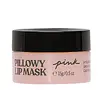 Key Ingredients
No key ingredients
Benefits
Concerns
Ingredients Side-by-side
Ricinus Communis Seed Oil
Masking




Hydroxystearic/Linolenic/Oleic Polyglycerides
EmollientButyrospermum Parkii Butter
Skin Conditioning



Carthamus Tinctorius Seed Oil
Masking
Bis-Diglyceryl Polyacyladipate-2
Emollient









Ricinus Communis Seed Oil, Hydroxystearic/Linolenic/Oleic Polyglycerides, Butyrospermum Parkii Butter, Carthamus Tinctorius Seed Oil, Bis-Diglyceryl Polyacyladipate-2, Synthetic Beeswax, Behenyl Behenate, Aroma, Polyhydroxystearic Acid, Tocopheryl Acetate, Silica, Euphorbia Cerifera Wax, Sodium Saccharin, Sodium Hyaluronate, Hydrogenated Castor Oil
Hydrogenated Polyisobutene
EmollientPetrolatum
Emollient
Butyrospermum Parkii Butter
Skin Conditioning
Bis-Diglyceryl Polyacyladipate-1
Emollient
Bis-Diglyceryl Polyacyladipate-2
Emollient
Paraffinum Liquidum
Emollient
Paraffin
Skin Conditioning
Synthetic Beeswax
Emulsion Stabilising
Microcrystalline Wax
Emulsion StabilisingLanolin Oil
Emollient
Diisostearyl Malate
EmollientEthylene/Propylene/Styrene Copolymer
Euphorbia Cerifera Wax
Caprylic/Capric Triglyceride
Masking
Silica Silylate
Emollient
Butylene/Ethylene/Styrene Copolymer
Vanilla Planifolia Fruit Extract
Skin Conditioning
Sodium Saccharin
MaskingHydrogenated Polyisobutene, Petrolatum, Butyrospermum Parkii Butter, Bis-Diglyceryl Polyacyladipate-1, Bis-Diglyceryl Polyacyladipate-2, Paraffinum Liquidum, Paraffin, Synthetic Beeswax, Microcrystalline Wax, Lanolin Oil, Diisostearyl Malate, Ethylene/Propylene/Styrene Copolymer, Euphorbia Cerifera Wax, Caprylic/Capric Triglyceride, Silica Silylate, Butylene/Ethylene/Styrene Copolymer, Vanilla Planifolia Fruit Extract, Sodium Saccharin
Ingredients Explained
These ingredients are found in both products.
Ingredients higher up in an ingredient list are typically present in a larger amount.
Bis-Diglyceryl Polyacyladipate-2 is a synthetic emollient that works as a lanolin substitute.
This ingredient is a great vegan option for those avoiding animal-derived ingredients.
It mostly stays on the surface of skin where it helps hydrate due to its large molecular size and low water solubility.
Due to it being derived from fatty acids, this ingredient may not be Malassezia or fungal acne safe.
Learn more about Bis-Diglyceryl Polyacyladipate-2This ingredient is also known as shea butter. It is a plant-derived extract from the nuts of the Africa shea tree and one of the most well-studied emollients.
Because it has a high concentration of fatty acids (primarily oleic, stearic, and linoleic) it is able to form a protective barrier on the skin's surface. This helps seal in moisture and prevents transepidermal water loss (TEWL).
In vitro research found an increase in skin hydration by 58% and a decrease in TEWL by 37.8% after 24 hours of applying this ingredient (pretty impressive for a single ingredient!).
Besides hydration, shea butter also contains triterpenes that have anti-inflammatory potential. In particule, lupeol cinnamate has shown the highest anti-inflammatory activity in vivo.
Shea butter also contains vitamins A and E which may contribute to antioxidant activity.
While Shea Butter has an SPF rating of about 3-4, it is not a sunscreen replacement.
This ingredient may not be fungal acne safe because its fatty acids fall within the C11-C24 range that the Malassezia yeast can metabolize.
This ingredient shows up on a lot of "pore-clogging" lists but there's no real evidence behind that. It doesn't even have a comedogenic rating from an actual study; the numbers you'll find online come from blogs citing other blogs.
Ratings for other ingredients mostly come from a 1980s rabbit ear test. This test doesn't translate well to human skin or to real products because the ingredient sits at a much lower percentage.
Some people still find it breaks them out. So if that's you, definitely trust your skin. Just know this one's based on experience and not evidence.
Learn more about Butyrospermum Parkii ButterWe don't have a description for Sodium Saccharin yet.
Synthetic beeswax is created to be identical in structure to beeswax without involving bees, making it a go-to for vegan formulas.
It's mainly used an an emulsion stabilizer and thickener.
This ingredient (alongside other synthetic waxes) have been concluded to be safe in cosmetics under the present practices.
Reported usage goes up to 18% and it is non-sensitizing.
Just one caveat for fungal acne: This ingredient is made up of C16-32 fatty acids and fatty acid esters. Part of this overlaps with the C11-24 range that the Malassezia yeast can feed on, so it's not fungal-acne safe.
Learn more about Synthetic BeeswaxEuphorbia Cerifera Wax (aka candelilla wax) is a vegan stand-in for beeswax. It is a plant-derived wax that functions as an astringent, emulsion stabilizer, film-former, and skin conditioner.
On skin, it forms a protective barrier that helps lock in moisture while it enhances product stability, prevents separation, and helps color last longer in makeup.
This ingredient is generally safe for use in cosmetics with one nuance: some grades of candelilla wax can naturally contain benzyl alcohol at concentrations high enough to require declaration under EU labeling rules. This isn't a concern for most people but relevant for those with fragrance sensitivities.
Candelilla wax contains fatty acids (mainly C31) and wax esters that can be used by the Malassezia yeast, so this ingredient may not be fungal acne safe.
You might see Euphorbia Cerifera "Cera" instead of "wax". This is because some brands, databases, or labels use it interchangeably; they're the same ingredient.
Learn more about Euphorbia Cerifera Wax

