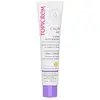
This calming moisturizer is formulated around Centella Asiatica Leaf Extract and Allantoin to calm redness and strengthen the skin barrier.
This calming moisturizer is formulated around Allantoin to calm redness and hydrate skin.

What's inside
What's inside
 Key Ingredients
Benefits
Concerns
Ingredients Side-by-side
Water
Skin ConditioningDicaprylyl Carbonate
EmollientDiethylamino Hydroxybenzoyl Hexyl Benzoate
UV Filter
Glycerin
Humectant


Propanediol
Solvent
Ethylhexyl Triazone
UV Absorber
Bis-Ethylhexyloxyphenol Methoxyphenyl Triazine
UV Absorber
Diethylhexyl Butamido Triazone
UV Absorber
Cetearyl Alcohol
Emollient






Pentaerythrityl Distearate
Emulsifying
Helianthus Annuus Seed Oil Unsaponifiables
Emollient
Phenylbenzimidazole Sulfonic Acid
UV Absorber
Silica
Abrasive


Acrylates/C12-22 Alkyl Methacrylate Copolymer
Disodium Cetearyl Sulfosuccinate
CleansingXanthan Gum
EmulsifyingHydroxyacetophenone
Antioxidant
Tocopheryl Acetate
Antioxidant

Ethylhexylglycerin
Skin ConditioningCentella Asiatica Leaf Extract
Skin Conditioning


Sodium Hydroxide
BufferingChlorphenesin
Antimicrobial
Arginine
Masking
Allantoin
Skin Conditioning
Coco-Glucoside
Cleansing
O-Cymen-5-Ol
Antimicrobial
Phytic Acid
Chelating
Disodium Lauryl Sulfosuccinate
CleansingMaltodextrin
Absorbent
Moringa Oleifera Seed Extract
Skin Conditioning
Citric Acid
Buffering
Tocopherol
Antioxidant
Water, Dicaprylyl Carbonate, Diethylamino Hydroxybenzoyl Hexyl Benzoate, Glycerin, Propanediol, Ethylhexyl Triazone, Bis-Ethylhexyloxyphenol Methoxyphenyl Triazine, Diethylhexyl Butamido Triazone, Cetearyl Alcohol, Pentaerythrityl Distearate, Helianthus Annuus Seed Oil Unsaponifiables, Phenylbenzimidazole Sulfonic Acid, Silica, Acrylates/C12-22 Alkyl Methacrylate Copolymer, Disodium Cetearyl Sulfosuccinate, Xanthan Gum, Hydroxyacetophenone, Tocopheryl Acetate, Ethylhexylglycerin, Centella Asiatica Leaf Extract, Sodium Hydroxide, Chlorphenesin, Arginine, Allantoin, Coco-Glucoside, O-Cymen-5-Ol, Phytic Acid, Disodium Lauryl Sulfosuccinate, Maltodextrin, Moringa Oleifera Seed Extract, Citric Acid, Tocopherol
Water
Skin ConditioningGlycerin
Humectant
Coco-Caprylate/Caprate
Emollient
Helianthus Annuus Seed Oil Unsaponifiables
Emollient
Prunus Domestica Seed Extract
EmollientHydroxyethyl Acrylate/Sodium Acryloyldimethyl Taurate Copolymer
Emulsion StabilisingSilica
Abrasive
1,2-Hexanediol
Skin Conditioning
Ethylhexylglycerin
Skin ConditioningAllantoin
Skin Conditioning
O-Cymen-5-Ol
Antimicrobial
Sorbitan Isostearate
Emulsifying
Tocopherol
Antioxidant
Citric Acid
Buffering
Ingredients Explained
These ingredients are found in both products.
Ingredients higher up in an ingredient list are typically present in a larger amount.
Allantoin is a soothing ingredient known for its protective and moisturizing properties; it's basically a quiet workhorse ingredient you can find in a huge range of cosmetics.
Though it can be derived from the comfrey plant, allantoin is produced synthetically for cosmetic products to ensure purity.
Research shows it can encourage your skin cells to turn over and renew by stimulating keratinocyte and fibroblast proliferation.
It also has mild keratolytic properties to help loosen and shed dead skin cells without being harsh.
Studies also suggest allantoin can help calm inflammation by dialing down some of the chemical signals your skin sends out when it is irritated.
This ingredient is typically used in the 0.1-0.5% range, and the FDA recognizes it as a skin protectant in OTC products up to 2%.
Overall, allantoin is a wonderful addition to most routines; it is stable across a wide pH range (~4-8), works well with other ingredients, and is considered non-sensitizing/non-irritating.
Fun fact: Allantoin is naturally occurring in comfrey root, beets, chamomile, and wheat sprouts. Our bodies even produce it as a byproduct of uric acid metabolism.
Learn more about AllantoinCitric Acid is an alpha hydroxy acid (AHA) naturally found in citrus fruits like oranges, lemons, and limes.
Like other AHAs, citric acid can exfoliate skin by breaking down the bonds that hold dead skin cells together. This helps reveal smoother and brighter skin underneath.
However, this exfoliating effect only happens at high concentrations (20%) which can be hard to find in cosmetic products.
Due to this, citric acid is usually included in small amounts as a pH adjuster. This helps keep products slightly more acidic and compatible with skin's natural pH.
In skincare formulas, citric acid can:
While it can provide some skin benefits, research shows lactic acid and glycolic acid are generally more effective and less irritating exfoliants.
Most citric acid used in skincare today is made by fermenting sugars (usually from molasses). This synthetic version is identical to the natural citrus form but easier to stabilize and use in formulations.
Rosacea skin has a lower threshold for acids generally, with 62.5% of rosacea subjects in one study reacting to lactic acid in a sting test. This is why we mark citric acid as a potential rosacea trigger.
However, this ingredient shows up as a pH adjuster or chelator at roughly 0.1-1% in many products. These low levels are unlikely to be an issue for rosacea skin and becomes a potential trigger at exfoliating concentrations (20%). Because everybody's skin is unique, we recommend a patch test if you are unsure.
Learn more about Citric AcidEthylhexylglycerin is created from glycerin. It is a multitasker ingredient that:
The CIR Expert Panel found minimal skin absorption or sensitization of any kind in a safety assessment. Though this ingredient is considered well-tolerated, a small number of cases of allergic dermatitis have been published since 2002. Just be sure to patch test if you are unsure.
Industry-reported use ranges from 8% in rinse-off products and 2% in leave-on formulations.
Learn more about EthylhexylglycerinGlycerin (or glycerol) is a compound naturally found in your skin. It's a powerhouse humectant that pulls water into the stratum corneum.
Topically, glycerin does several things at once:
Your skin makes glycerin on its own (mostly from sebaceous oil breakdown) and shuttles it to your outermost layer of skin, or your epidermis, via aquaporin-3.
Aquaporin-3 is a transporter that is essential for normal skin hydration, elasticity, and repair. Interestingly, mice lacking in AQP3 have dry and less elastic skin that can be fully corrected with glycerin.
This ingredient is non-irritating, plays well with almost every ingredient, and works across all skin types. Typical use is anywhere between 3-10% but can go up to 79% in some leave-on products.
Just know very high concentrations (>40%) can feel tacky in low humidity.
Glycerin is the name for this ingredient in American English. British English uses Glycerol/Glycerine.
Learn more about GlycerinThis ingredient is the small fraction of sunflower seed oil (~1.5-2% of the whole oil) that cannot be turned into soap.
This concentrated fraction is rich in skin-nourishing compounds like free fatty acids, tocopherols, and phytosterols. Linoleic acid makes up about 48-74% of its composition.
Unsaponifiables have high antioxidant potential due to the tocopherols, carotenoids, and phenolic acids that help protect skin from free radical damage. On the other hand, linoleic acid supports the skin's barrier by replenishing ceramides and reducing transepidermal water loss.
A manufacturer-sponsored clinical study found that a cream with 2% of this ingredient increased skin moisturization by 48.6% after 1 hour and 34.2% after 24 hours.
Using this cream twice-daily for 4 weeks showed meaningful improvement in dryness, roughness, and desquamation (the shedding of dead skin cells).
Keep in mind this is a small, industry-funded study so it'd be great to see independent replication. However, the mechanism is consistent with well-establish linoleic and phytosterol research.
While this ingredient is generally considered safe, those with an Asteraceae/Compositae plant allergy should patch test this ingredient.
Fungal acne: this ingredient is not considered safe for fungal acne because the Malassezia yeast preferentially metabolizes in the C11-24 range. Linoleic acid falls into this range at C18.
Learn more about Helianthus Annuus Seed Oil UnsaponifiablesThis ingredient is more commonly known as IPMP or Isopropyl Methylphenol. It is a preservative and has antimicrobial properties.
According to the EPA, this ingredient is allowed for use in cleansers, creams, powders, bath products, toothpaste, perfume, and more.
Silica, also known as silicon dioxide, is a naturally occurring mineral. It is used as a fine, spherical, and porous powder in cosmetics.
Though it has exfoliant properties, the function of silica varies depending on the product.
The unique structure of silica enhances the spreadability and adds smoothness, making it a great texture enhancer.
It is also used as an active carrier, emulsifier, and mattifier due to its ability to absorb excess oil.
In some products, tiny microneedles called spicules are made from silica or hydrolyzed sponge. When you rub them in, they lightly polish away dead skin layers and enhance the penetration of active ingredients.
Learn more about SilicaTocopherol is a fat-soluble antioxidant known as Vitamin E.
You'll find this ingredient in the vast majority of skincare (for good reason). It works to neutralize free radicals, or unstable molecules generated by UV exposure, pollution, and other environmental stressors, before they can cause oxidative damage to your skin cells.
Topically applied tocopherol has been shown to protect against UV damage by ramping up the skin's own natural defense enzymes.
It also acts as a skin conditioning agent; some studies show that regular topical use can improve the skin's water-binding capacity over 2-4 weeks.
This ingredient is especially loved for being a team player. When combined with Vitamin C, the photoprotective effect of both ingredients roughly doubles and the combo also helps reduce UV-induced DNA damage.
This ingredient has some brightening potential but it's more of a prevention ingredient than spot-fader. Cell studies show it can slow down melanin production but it's worth noting that it's not the most powerful brightener out there.
In formulations, it also serves as a stabilizer that helps protect other oxidation-prone ingredients from degrading.
Concentrations usually range from 0.1-1% in most leave-on products.
Learn more about TocopherolWater. It's the most common cosmetic ingredient of all. You'll usually see it at the top of ingredient lists, meaning that it makes up the largest part of the product.
So why is it so popular? Water most often acts as a solvent - this means that it helps dissolve other ingredients into the formulation.
You'll also recognize water as that liquid we all need to stay alive. If you see this, drink a glass of water. Remember to stay hydrated!
Learn more about Water

