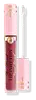
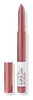
Too Faced Lip Injection Power Plumping Cream Liquid Lipstick Versus Maybelline Super Stay Ink Crayon Lipstick

What's inside
What's inside
 Key Ingredients
Benefits
Concerns
Ingredients Side-by-side
Isododecane
EmollientHydrogenated Polyisobutene
EmollientPolyethylene
Abrasive

Diisostearyl Malate
EmollientDimethicone
Emollient

Bis-Diglyceryl Polyacyladipate-2
Emollient


Synthetic Fluorphlogopite
C18-36 Acid Triglyceride
EmollientDisteardimonium Hectorite
StabilisingDimethicone/Vinyl Dimethicone Crosspolymer
Skin Conditioning
Simmondsia Chinensis Seed Oil
Emollient

Ethylene/Propylene/Styrene Copolymer
Vanillyl Butyl Ether
MaskingPunica Granatum Flower Extract
Skin Conditioning
Polyglyceryl-3 Diisostearate
Emulsifying

Rosa Canina Fruit Extract
Astringent
Silica
Abrasive

Propylene Carbonate
SolventButylene/Ethylene/Styrene Copolymer
Parfum
Masking


Pentaerythrityl Tetra-Di-T-Butyl Hydroxyhydrocinnamate
Antioxidant
BHT
Antioxidant
CI 77891
Cosmetic ColorantCI 77491
Cosmetic ColorantCI 77492
Cosmetic ColorantCI 77499
Cosmetic ColorantCI 15850
Cosmetic ColorantCI 45410
Cosmetic ColorantCI 19140
Cosmetic ColorantCI 15985
Cosmetic ColorantIsododecane, Hydrogenated Polyisobutene, Polyethylene, Diisostearyl Malate, Dimethicone, Bis-Diglyceryl Polyacyladipate-2, Synthetic Fluorphlogopite, C18-36 Acid Triglyceride, Disteardimonium Hectorite, Dimethicone/Vinyl Dimethicone Crosspolymer, Simmondsia Chinensis Seed Oil, Ethylene/Propylene/Styrene Copolymer, Vanillyl Butyl Ether, Punica Granatum Flower Extract, Polyglyceryl-3 Diisostearate, Rosa Canina Fruit Extract, Silica, Propylene Carbonate, Butylene/Ethylene/Styrene Copolymer, Parfum, Pentaerythrityl Tetra-Di-T-Butyl Hydroxyhydrocinnamate, BHT, CI 77891, CI 77491, CI 77492, CI 77499, CI 15850, CI 45410, CI 19140, CI 15985
Isododecane
EmollientPolyethylene
Abrasive
Trimethylsiloxyphenyl Dimethicone
Isohexadecane
EmollientDimethicone
Emollient
Acrylates/Dimethicone Copolymer
Skin Conditioning
Polypropylsilsesquioxane
Stearyl Heptanoate
Emollient
Hydrogenated Polyisobutene
EmollientHydrogenated Styrene/Methylstyrene/Indene Copolymer
Alumina
Abrasive
Synthetic Fluorphlogopite
Calcium Aluminum Borosilicate
Limonene
Perfuming
Calcium Sodium Borosilicate
Aluminum Hydroxide
EmollientPolybutylene Terephthalate
Silica
Abrasive
Magnesium Silicate
AbsorbentSilica Silylate
Emollient
Ethylene/Va Copolymer
Emulsion StabilisingAcrylates Copolymer
Pentaerythrityl Tetra-Di-T-Butyl Hydroxyhydrocinnamate
Antioxidant
Benzyl Benzoate
Antimicrobial
Tin Oxide
Abrasive
Benzyl Alcohol
Perfuming

Citronellol
Perfuming
Linalool
Perfuming
Geraniol
Perfuming
Disodium Stearoyl Glutamate
CleansingTocopherol
Antioxidant



Parfum
Masking
CI 77891
Cosmetic ColorantCI 77491
Cosmetic ColorantCI 77492
Cosmetic ColorantCI 77499
Cosmetic ColorantCI 45410
Cosmetic ColorantCI 15850
Cosmetic ColorantCI 45380
Cosmetic ColorantMica
Cosmetic ColorantCI 15985
Cosmetic ColorantCI 19140
Cosmetic ColorantCI 77163
Cosmetic Colorant
CI 17200
Cosmetic ColorantCI 42090
Cosmetic ColorantCI 75470
Cosmetic ColorantIsododecane, Polyethylene, Trimethylsiloxyphenyl Dimethicone, Isohexadecane, Dimethicone, Acrylates/Dimethicone Copolymer, Polypropylsilsesquioxane, Stearyl Heptanoate, Hydrogenated Polyisobutene, Hydrogenated Styrene/Methylstyrene/Indene Copolymer, Alumina, Synthetic Fluorphlogopite, Calcium Aluminum Borosilicate, Limonene, Calcium Sodium Borosilicate, Aluminum Hydroxide, Polybutylene Terephthalate, Silica, Magnesium Silicate, Silica Silylate, Ethylene/Va Copolymer, Acrylates Copolymer, Pentaerythrityl Tetra-Di-T-Butyl Hydroxyhydrocinnamate, Benzyl Benzoate, Tin Oxide, Benzyl Alcohol, Citronellol, Linalool, Geraniol, Disodium Stearoyl Glutamate, Tocopherol, Parfum, CI 77891, CI 77491, CI 77492, CI 77499, CI 45410, CI 15850, CI 45380, Mica, CI 15985, CI 19140, CI 77163, CI 17200, CI 42090, CI 75470
Ingredients Explained
These ingredients are found in both products.
Ingredients higher up in an ingredient list are typically present in a larger amount.
Ci 15850 is the pigment color red. It is an azo dye and created synthetically.
Azo dyes need to be thoroughly purified before use. This allows them to be more stable and longer-lasting.
This ingredient is common in foundations, lipsticks, and blushes. This color is described as brown/orangey red.
It has many secondary names such as Red 6 and Red 7. According to a manufacturer, Red 6 usually contains aluminum.
Learn more about CI 15850Ci 15985 is a dye made from petroleum. It is synthetically created and approved by the FDA for use in foods and cosmetics.
The color of this dye is orange/yellow.
This ingredient can be found in makeup, sun care, and skincare.
Learn more about CI 15985CI 19140 is also known as Tartrazine. Tartrazine is a synthetic dye used in cosmetics, foods, and medicine to add a yellow color.
Tartrazine is created from petroleum and is water-soluble.
Some people may experience allergies from this dye, especially asthmatics and those with an aspirin intolerance.
Learn more about CI 19140CI 45410 is a synthetic red-pigment and dye.
It often goes by both Red 28 or Red 27; manufacturers label both ingredients as CI 45410.
This dye is commonly found in makeup because it imparts a vivid color. Some types of this dye change color based on pH level and interaction with moisture:
Your skin has a natural pH of around 4.5 - 5.5.
According to the FDA, CI 45410 is not permitted for use in eye products.
Red 27 is a flourescein dye and commonly used as a fluorescent tracer in medicine.
Learn more about CI 45410Ci 77491 is also hydrated iron III oxide. It's sole purpose is to give a red/pink hue to products.
Iron III oxides are classified as inorganic chemicals for coloring.
Synthetically created Ci 77491 is considered safer than those naturally found. This is because the synthetically created version may contain less impurities. Iron oxides are generally non-toxic and non-allergenic.
Learn more about CI 77491CI 77492 is also hydrated iron III oxide. It's sole purpose is to give a yellow hue to products.
Iron III oxides are classified as inorganic chemicals for coloring.
Synthetically created CI 77492 is considered safer than those naturally found. This is because the synthetically created version may contain less impurities. Iron oxides are generally non-toxic and non-allergenic.
Learn more about CI 77492Ci 77499 is also hydrated iron III oxide. It is created from mixing red and black iron oxides. This helps give shades of darkness to a product.
Iron III oxides are classified as inorganic chemicals for coloring.
Ci 77891 is a white pigment from Titanium dioxide. It is naturally found in minerals such as rutile and ilmenite.
It's main function is to add a white color to cosmetics. It can also be mixed with other colors to create different shades.
Ci 77891 is commonly found in sunscreens due to its ability to block UV rays.
Learn more about CI 77891Dimethicone is a type of synthetic silicone created from natural materials such as quartz. It is also known as polydimethylsiloxane.
What it does:
Dimethicone comes in different viscosities:
Depending on the viscosity, dimethicone has different properties.
Ingredients lists don't always show which type is used, so we recommend reaching out to the brand if you have questions about the viscosity.
This ingredient is unlikely to cause irritation because it does not get absorbed into skin. However, people with silicone allergies should be careful about using this ingredient.
Note: Dimethicone may contribute to pilling. This is because it is not oil or water soluble, so pilling may occur when layered with products. When mixed with heavy oils in a formula, the outcome is also quite greasy.
Learn more about DimethiconeHydrogenated Polyisobutene is a synthetic polymer. Polymers are compounds with high molecular weight. Hydrogenated Polyisobutene is an emollient and texture enhancer.
In one study, Hydrogenated Polyisobutene showed better skin hydration levels than Caprylic/Capric Triglyceride. As an emollient, it helps keep your skin soft and hydrated by trapping moisture in.
Hydrogenated Polyisobutene is often used as a mineral oil replacement.
Learn more about Hydrogenated PolyisobuteneIsododecane is a fragrance, emollient, and solvent.
As an emollient, it helps your skin stay soft and hydrated. Emollients help trap moisture into your skin.
Isododecane's role as a solvent makes it a great texture enhancer. It spreads smoothly on skin and does not leave a sticky feeling behind. Isododecane also helps prevent color transfer in makeup products.
Isododecane is not absorbed into skin.
The chemical name for this ingredient is 2,2,4,6,6-PENTAMETHYLHEPTANE.
Learn more about IsododecaneParfum is a catch-all term for an ingredient or more that is used to give a scent to products.
Also called "fragrance", this ingredient can be a blend of hundreds of chemicals or plant oils. This means every product with "fragrance" or "parfum" in the ingredients list is a different mixture.
For instance, Habanolide is a proprietary trade name for a specific aroma chemical. When used as a fragrance ingredient in cosmetics, most aroma chemicals fall under the broad labeling category of “FRAGRANCE” or “PARFUM” according to EU and US regulations.
The term 'parfum' or 'fragrance' is not regulated in many countries. In many cases, it is up to the brand to define this term.
For instance, many brands choose to label themselves as "fragrance-free" because they are not using synthetic fragrances. However, their products may still contain ingredients such as essential oils that are considered a fragrance by INCI standards.
One example is Calendula flower extract. Calendula is an essential oil that still imparts a scent or 'fragrance'.
Depending on the blend, the ingredients in the mixture can cause allergies and sensitivities on the skin. Some ingredients that are known EU allergens include linalool and citronellol.
Parfum can also be used to mask or cover an unpleasant scent.
The bottom line is: not all fragrances/parfum/ingredients are created equally. If you are worried about fragrances, we recommend taking a closer look at an ingredient. And of course, we always recommend speaking with a professional.
Learn more about ParfumPentaerythrityl Tetra-Di-T-Butyl Hydroxyhydrocinnamate (long name, huh?) is a synthetic antioxidant.
It is used to help stabilize other antioxidants or prevent the color from changing in a product.
As an antioxidant, it helps fight free-radical molecules. Free-radical molecules are capable of damaging our cells and other genetic material. Thus, antioxidants may reduce the signs of aging.
This ingredient is oil-soluble.
Learn more about Pentaerythrityl Tetra-Di-T-Butyl HydroxyhydrocinnamatePolyethylene is a synthetic ingredient that helps the skin retain moisture. It is a polymer.
It is also typically used within product formulations to help bind solid ingredients together and thicken oil-based ingredients. When added to balms and emulsions, it helps increase the melting point temperature.
Silica, also known as silicon dioxide, is a naturally occurring mineral. It is used as a fine, spherical, and porous powder in cosmetics.
Though it has exfoliant properties, the function of silica varies depending on the product.
The unique structure of silica enhances the spreadability and adds smoothness, making it a great texture enhancer.
It is also used as an active carrier, emulsifier, and mattifier due to its ability to absorb excess oil.
In some products, tiny microneedles called spicules are made from silica or hydrolyzed sponge. When you rub them in, they lightly polish away dead skin layers and enhance the penetration of active ingredients.
Learn more about SilicaSynthetic Fluorphlogopite is the synthethic version of mica. It consists of fluorine, aluminum and silicate.
Synthetic Fluorphlogopite is used to add volume to products.
It is considered non-irritating on the skin.
Learn more about Synthetic Fluorphlogopite

