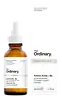
This hydrating serum is formulated around Sodium PCA and Panthenol to hydrate skin and strengthen the skin barrier.
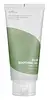
This calming moisturizer is formulated around Aloe Barbadensis Leaf Extract and Dipotassium Glycyrrhizate to calm redness and hydrate skin.


What's inside
What's inside
 Key Ingredients
No key ingredients
Benefits
Concerns
No concerns
Ingredients Side-by-side
Water
Skin ConditioningPropanediol
Solvent

Betaine
Humectant
Sodium PCA
Humectant
Panthenol
Skin Conditioning

Sodium Lactate
Buffering
Arginine
Masking
PCA
Humectant
Aspartic Acid
Masking
Glycine
Buffering
Alanine
Masking
Serine
Masking
Threonine
Valine
MaskingProline
Skin Conditioning
Isoleucine
Skin ConditioningLysine Hcl
Skin Conditioning
Histidine
Humectant
Phenylalanine
Masking
Glutamic Acid
Humectant
Citric Acid
Buffering


Dimethyl Isosorbide
SolventPolysorbate 20
Emulsifying
Trisodium Ethylenediamine Disuccinate
1,2-Hexanediol
Skin Conditioning
Caprylyl Glycol
Emollient
Water, Propanediol, Betaine, Sodium PCA, Panthenol, Sodium Lactate, Arginine, PCA, Aspartic Acid, Glycine, Alanine, Serine, Threonine, Valine, Proline, Isoleucine, Lysine Hcl, Histidine, Phenylalanine, Glutamic Acid, Citric Acid, Dimethyl Isosorbide, Polysorbate 20, Trisodium Ethylenediamine Disuccinate, 1,2-Hexanediol, Caprylyl Glycol

Reviews
Ingredients Explained
These ingredients are found in both products.
Ingredients higher up in an ingredient list are typically present in a larger amount.
1,2-Hexanediol is a synthetic liquid and another multi-functional powerhouse.
It is a:
- Humectant, drawing moisture into the skin
- Emollient, helping to soften skin
- Solvent, dispersing and stabilizing formulas
- Preservative booster, enhancing the antimicrobial activity of other preservatives
Arginine is a semi-essential amino acid. This just means our bodies can product a bit on its own, but sometimes needs a little boost from food sources.
It is a part of your skin's natural moisturizing factor (NMF), or the water-loving molecules in your outermost layer of skin (stratum corneum) that keeps everything hydrated and happy.
Here's an interesting thing about Arginine: your skin converts it into urea through the Krebs-Henseleit urea cycle. Urea is one of the most effective humectants your skin naturally produces.
A clinical study showed applying 2.5% arginine hydrochloride to atopic dermatitis skin showed significant urea levels in the stratum corneum and improved moisture in just four weeks.
Arginine is also a precursor to nitric oxide; nitric oxide improves microcirculation and supports wound healing and collagen synthesis.
One study found that an amino acid complex containing Arginine reduced skin irritation, improved hydration, and accelerated skin repair in clinical / in-vivo studies.
Arginine itself is an amino acid and not a fatty acid, oil, or ester. On its own, it's not a direct food source for Malassezia, or the yeast that causes fungal acne.
Learn more about ArginineBetaine is a humectant. Like hyaluronic acid, it helps attract and retain moisture in the skin. It’s known for being gentle and for helping the skin maintain balanced hydration.
Betaine is mainly used to improve hydration and support calmer skin. It helps skin cells regulate water balance because it functions as an osmolyte.
Some studies suggest betaine may support making skin tone more even.
Fun fact: Betaine naturally exists in the skin and the body. In cosmetic products, it can be either plant-derived (most commonly from sugar beets) or synthetically produced for consistency and stability.
Betaine is also known as trimethylglycine.
Learn more about BetainePanthenol is a common ingredient that helps hydrate and soothe the skin. It is found naturally in our skin and hair.
There are two forms of panthenol: D and L.
D-panthenol is also known as dexpanthenol. Most cosmetics use dexpanthenol or a mixture of D and L-panthenol.
Panthenol is famous due to its ability to go deeper into the skin's layers. Using this ingredient has numerous pros (and no cons):
Like hyaluronic acid, panthenol is a humectant. Humectants are able to bind and hold large amounts of water to keep skin hydrated.
This ingredient works well for wound healing. It works by increasing tissue in the wound and helps close open wounds.
Once oxidized, panthenol converts to pantothenic acid. Panthothenic acid is found in all living cells.
This ingredient is also referred to as pro-vitamin B5.
Learn more about PanthenolPropanediol is an all-star ingredient. It softens, hydrates, and smooths the skin.
It’s often used to:
Propanediol is not likely to cause sensitivity and considered safe to use. It is derived from corn or petroleum with a clear color and no scent.
Learn more about PropanediolWater. It's the most common cosmetic ingredient of all. You'll usually see it at the top of ingredient lists, meaning that it makes up the largest part of the product.
So why is it so popular? Water most often acts as a solvent - this means that it helps dissolve other ingredients into the formulation.
You'll also recognize water as that liquid we all need to stay alive. If you see this, drink a glass of water. Remember to stay hydrated!
Learn more about Water

