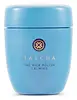
This exfoliator is formulated around Camellia Sinensis Leaf and Colloidal Oatmeal to calm irritation and reduce redness.
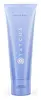
This mild gel cleanser is made to cleanse without leaving your skin tight or dry.

What's inside
What's inside
 Key Ingredients
Benefits
Concerns
Ingredients Side-by-side
Microcrystalline Cellulose
AbsorbentOryza Sativa Powder
Sodium Lauryl Phosphate
EmulsifyingSodium Lauroyl Glutamate
SurfactantSodium Stearoyl Glutamate
CleansingWater
Skin ConditioningSodium Cocoyl Glutamate
Cleansing
Lauryl Betaine
CleansingSodium Lauroyl Methylaminopropionate
CleansingCamellia Sinensis Leaf
Perfuming




Polygonum Tinctorium Leaf/Stem Extract
Skin ConditioningIndigofera Tinctoria Leaf Extract
Skin ConditioningColloidal Oatmeal
Absorbent
Hydrolyzed Conchiolin Protein
Skin ConditioningOryza Sativa Bran Extract
Skin Conditioning
Propanediol
Solvent
Ethylhexylglycerin
Skin ConditioningButylene Glycol
Humectant
Phytosteryl/Octyldodecyl Lauroyl Glutamate
Skin ConditioningTocopherol
Antioxidant



Alcohol
Antimicrobial




Phenoxyethanol
Preservative
CI 77891
Cosmetic ColorantMica
Cosmetic ColorantMicrocrystalline Cellulose, Oryza Sativa Powder, Sodium Lauryl Phosphate, Sodium Lauroyl Glutamate, Sodium Stearoyl Glutamate, Water, Sodium Cocoyl Glutamate, Lauryl Betaine, Sodium Lauroyl Methylaminopropionate, Camellia Sinensis Leaf, Polygonum Tinctorium Leaf/Stem Extract, Indigofera Tinctoria Leaf Extract, Colloidal Oatmeal, Hydrolyzed Conchiolin Protein, Oryza Sativa Bran Extract, Propanediol, Ethylhexylglycerin, Butylene Glycol, Phytosteryl/Octyldodecyl Lauroyl Glutamate, Tocopherol, Alcohol, Phenoxyethanol, CI 77891, Mica
Water
Skin ConditioningMicrocrystalline Cellulose
AbsorbentPropanediol
Solvent
Sodium Cocoyl Glutamate
Cleansing
Glycerin
Humectant
Acrylates Copolymer
Sodium Caproyl Methyltaurate
CleansingCoco-Betaine
Cleansing
Parfum
Masking
Camellia Sinensis Leaf
Perfuming
Oryza Sativa Powder
Chondrus Crispus Extract
Skin Conditioning
Sodium Hyaluronate
Humectant
Betaphycus Gelatinum Extract
BleachingLauryl Glucoside
CleansingPotassium Hydroxide
BufferingPolyquaternium-39
Disodium EDTA
Phenoxyethanol
Preservative
Ethylhexylglycerin
Skin ConditioningSodium Benzoate
Masking
Sodium Carbonate
BufferingAlcohol
Antimicrobial
Water, Microcrystalline Cellulose, Propanediol, Sodium Cocoyl Glutamate, Glycerin, Acrylates Copolymer, Sodium Caproyl Methyltaurate, Coco-Betaine, Parfum, Camellia Sinensis Leaf, Oryza Sativa Powder, Chondrus Crispus Extract, Sodium Hyaluronate, Betaphycus Gelatinum Extract, Lauryl Glucoside, Potassium Hydroxide, Polyquaternium-39, Disodium EDTA, Phenoxyethanol, Ethylhexylglycerin, Sodium Benzoate, Sodium Carbonate, Alcohol
Reviews
Alternatives
Ingredients Explained
These ingredients are found in both products.
Ingredients higher up in an ingredient list are typically present in a larger amount.
This ingredient is also called ethanol or ethyl alcohol. It is denatured, meaning made undrinkable for cosmetic use.
In formulas, it:
Is it bad for your skin?
The answer comes down to concentration. Patch and wash studies have found highly concentrated alcohol-based hand rubs (60-100%) cause less barrier disruption than washing with a basic detergent like SLS. The only measurable effect in these studies was a temporary dip in skin hydration.
Concentrations below 12-15% in leave-on cosmetics is generally well-tolerated. Concentrations above start to see increased transepidermal water loss (TEWL) and reduced hydration.
In concentrations about 58%, it creates temporary channels in your skin's lipid layers to become more permeable and allow other ingredients to slip through easily.
This ingredient can be up to 80% of the formula in alcohol-based perfumes.
Overall, this ingredient is probably harmless if found lower down an ingredients list but worth side-eyeing if it's high up (especially if your barrier is already struggling).
Alcohol can worsen dry skin, eczema, and oily skin, especially at higher concentrations. This is because it can increase transepidermal water loss and decrease hydration to disrupt the skin barrier.
According to the National Rosacea Society based in the US, you should be mindful of products with these alcohols in the top half of ingredients.
True allergic contact dermatitis to ethanol is uncommon, but be sure to patch test if you have dry or sensitive skin.
Learn more about AlcoholCamellia Sinensis Leaf is the leaf of the tea plant. These leaves are used to make white, oolong, green, and black tea.
Tea leaves have many benefits. It contains polyphenols, a strong antioxidant. Antioxidants help fight off free-radical molecules that damage skin cells. The antioxidants in green tea neutralize free-radicals from the sun. This gives the skin some extra UV protection, but should not replace sunscreen.
Many components of tea have anti-inflammatory properties. Polyphenols and L-theanine help soothe the skin and reduce irritation. L-theanine is an amino acid that makes up most of the amino acids found in tea leaves. The caffeine in Camellia Sinensis Leaf Extract helps calm inflamed blood vessels.
Research has shown both drinking Camellia Sinensis Leaf Tea (green tea, white tea, oolong, black tea) and applying it to the skin can help boost skin elasticity and hydration. Studies also show using tea extract may reduce sebum, or oil, production.
Learn more about Camellia Sinensis LeafEthylhexylglycerin is created from glycerin. It is a multitasker ingredient that:
The CIR Expert Panel found minimal skin absorption or sensitization of any kind in a safety assessment. Though this ingredient is considered well-tolerated, a small number of cases of allergic dermatitis have been published since 2002. Just be sure to patch test if you are unsure.
Industry-reported use ranges from 8% in rinse-off products and 2% in leave-on formulations.
Learn more about EthylhexylglycerinMicrocrystalline Cellulose is another name for refined wood pulp. It is used as an emulsifier and mattifying ingredient. As an emulsifier, it helps keep ingredients together.
Oryza Sativa Powder is created by grinding dried seeds of rice, Oryza Sativa.
It is used to add volume and increase the thickness of a product. This ingredient may also have mildly exfoliating properties.
Rice contains numerous antioxidants which may help with anti-aging, such as vitamin E.
Learn more about Oryza Sativa PowderPhenoxyethanol is one of the most widely used preservatives in skincare (and for good reason!).
It has a large spectrum of antimicrobial activity and especially effective bacteria, yeast, and mold while only having a weak effect on your skin's natural microbiome.
On a cellular level, it disrupts the cell membranes of microbes by poking holes that make the cell leak. This shuts down the chemical reactions the microbe needs to make energy so it can no longer survive.
Another perk of this ingredient is that it stays functional across a wide pH range (3-10).
You'll often see it paired with boosters like Ethylhexylglycerin; one study showed that a 1:9 ratio of Ethylhexylglycerin to Phenoxyethanol damages bacterial membranes as effectively as doubling the Phenoxyethanol concentration on its own.
Typical use concentrations range from 0.3-1% depending on the formula, and this ingredient is capped at 1% int the EU.
Safety-wise, the fear mongering does not hold up to the evidence. The EU's Scientific Committee on Consumer Safety and FDA consider it safe as a preservative at up to 1%, including for children of all ages.
Adverse systemic effects only showed up in animal studies at exposures roughly 200x higher than what people get from cosmetics. And despite its very widespread use, this ingredient is a rare sensitizer and allergic reactions are uncommon.
Learn more about PhenoxyethanolPropanediol is an all-star ingredient. It softens, hydrates, and smooths the skin.
It’s often used to:
Propanediol is not likely to cause sensitivity and considered safe to use. It is derived from corn or petroleum with a clear color and no scent.
Learn more about PropanediolSodium Cocoyl Glutamate is a gentle cleanser and surfactant. It is the sodium salt of the Cocoyl Glutamic Acid and comes from coconut oil. As a surfactant, it helps lift dirt and oil to be washed away.
Sodium Cocoyl Glutamate also has an emolliating effect and can help leave the skin feeling soft.
Water. It's the most common cosmetic ingredient of all. You'll usually see it at the top of ingredient lists, meaning that it makes up the largest part of the product.
So why is it so popular? Water most often acts as a solvent - this means that it helps dissolve other ingredients into the formulation.
You'll also recognize water as that liquid we all need to stay alive. If you see this, drink a glass of water. Remember to stay hydrated!
Learn more about Water

