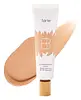
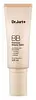
Tarte BB Tinted Treatment 12-Hour Primer Broad Spectrum SPF 30 Sunscreen Versus Dr. Jart+ Premium BB Beauty Balm SPF 40


What's inside
What's inside
 Key Ingredients
Benefits
Concerns
Ingredients Side-by-side
Titanium Dioxide
Cosmetic Colorant

Zinc Oxide
Cosmetic Colorant
Cyclopentasiloxane
Emollient
Isododecane
EmollientMica
Cosmetic ColorantPolysilicone-11
Polymethylsilsesquioxane
Hexyl Laurate
Emollient
PEG-10 Dimethicone
Skin Conditioning
Polyglyceryl-4 Isostearate
Emulsifying
Stearic Acid
Cleansing

Cetyl PEG/PPG-10/1 Dimethicone
Emulsifying
Alumina
Abrasive
Triethoxycaprylylsilane
Dipalmitoyl Hydroxyproline
Skin Conditioning
Diamond Powder
Abrasive
Iron Oxides
Titanium Dioxide, Zinc Oxide, Cyclopentasiloxane, Isododecane, Mica, Polysilicone-11, Polymethylsilsesquioxane, Hexyl Laurate, PEG-10 Dimethicone, Polyglyceryl-4 Isostearate, Stearic Acid, Cetyl PEG/PPG-10/1 Dimethicone, Alumina, Triethoxycaprylylsilane, Dipalmitoyl Hydroxyproline, Diamond Powder, Iron Oxides
Water
Skin ConditioningCyclopentasiloxane
Emollient
Cyclohexasiloxane
Emollient
Glycerin
Humectant

PEG-10 Dimethicone
Skin Conditioning
Talc
Abrasive
Hexyl Laurate
Emollient
Dipropylene Glycol
HumectantC12-15 Alkyl Benzoate
AntimicrobialNiacinamide
Smoothing








Diphenylsiloxy Phenyl Trimethicone
Skin Conditioning
Disteardimonium Hectorite
StabilisingCitrus Aurantium Bergamia Fruit Oil
Masking


Citrus Limon Peel Oil
Masking


Citrus Aurantifolia Oil
Cleansing
Pinus Sylvestris Leaf Oil
Masking
Citrus Aurantium Dulcis Peel Oil
Masking
Adenosine
Skin Conditioning
Allantoin
Skin Conditioning
Ethylhexylglycerin
Skin ConditioningTrihydroxystearin
Skin Conditioning
Polyglyceryl-6 Polyricinoleate
Emulsifying
Methicone
Emollient
Dimethicone
Emollient
Dimethicone/Vinyl Dimethicone Crosspolymer
Skin Conditioning
1,2-Hexanediol
Skin Conditioning
Triethoxycaprylylsilane
Magnesium Sulfate
Eucalyptus Globulus Leaf Oil
Perfuming
Limonene
Perfuming
Tocopherol
Antioxidant

BHT
Antioxidant
Phenoxyethanol
Preservative
CI 77891
Cosmetic ColorantCI 77492
Cosmetic ColorantCI 77491
Cosmetic ColorantIron Oxides
Water, Cyclopentasiloxane, Cyclohexasiloxane, Glycerin, PEG-10 Dimethicone, Talc, Hexyl Laurate, Dipropylene Glycol, C12-15 Alkyl Benzoate, Niacinamide, Diphenylsiloxy Phenyl Trimethicone, Disteardimonium Hectorite, Citrus Aurantium Bergamia Fruit Oil, Citrus Limon Peel Oil, Citrus Aurantifolia Oil, Pinus Sylvestris Leaf Oil, Citrus Aurantium Dulcis Peel Oil, Adenosine, Allantoin, Ethylhexylglycerin, Trihydroxystearin, Polyglyceryl-6 Polyricinoleate, Methicone, Dimethicone, Dimethicone/Vinyl Dimethicone Crosspolymer, 1,2-Hexanediol, Triethoxycaprylylsilane, Magnesium Sulfate, Eucalyptus Globulus Leaf Oil, Limonene, Tocopherol, BHT, Phenoxyethanol, CI 77891, CI 77492, CI 77491, Iron Oxides
Reviews
Ingredients Explained
These ingredients are found in both products.
Ingredients higher up in an ingredient list are typically present in a larger amount.
Cyclopentasiloxane (D5) is a lightweight silicone that mostly acts as an emollient and solvent in cosmetics. Its the reason your products feel silky, fast-spreading, and non-greasy.
Since D5 is volatile, it does its thing and then evaporates off the skin quickly.
The safety profile of this ingredient is reassuring; the US CIR Expert Panel concluded D5 is safe as used in cosmetics and Health Canada concluded that D5 is not harmful to human health or the environment as currently used in cosmetics
There's a study that people mention about D5 in a rat study showing tumors. This study is related to long-term inhalation of high D5 levels.
Regulatory bodies have judged this study to be not applicable in topical skincare since skin absorption of D5 is very low and we're not really inhaling huge amounts of D5.
The only restriction for this ingredient is environmental. The European Chemicals Agency (ECHA) restricted D5 in wash-off cosmetics at or above 0.1% due to their persistence in water.
Learn more about CyclopentasiloxaneHexyl Laurate isn't fungal acne safe.
Peg-10 Dimethicone is silicone with conditioner and emulsifier properties. It mostly acts as an emollient in skincare and and humectant in haircare.
According to the manufacturer, acidic formulations decrease the stability of this ingredient. It works best in neutral or near neutral formulations.
Triethoxycaprylylsilane is a silicon-based surface modifier that makes sunscreens feel silky and makeup stay put.
Its main job is to coat mineral particles like titanium dioxide, zinc oxide, and color pigments in a thin, oily layer so they spread smoothly, don't clump, and stick to skin better.
This ingredient is typically used at low levels (up to 2.5% in eyeshadow and 1% in lipstick).
Learn more about TriethoxycaprylylsilaneThis ingredient is a combination of red, black, and yellow iron oxide pigments. This combination of colors is usually found in foundation, because it results in a "skin" color.
The EU typically uses CI numbers for colorants when applicable, such as CI 77489. In the US, iron oxides are regulated as color additives and "iron oxides" is the most commonly used name in US cosmetic practice.
A 2021 paper looked at skincare formulations containing iron oxides and found that they reduced transmission of blue light when measured optically. In simple terms, the pigment particles helped block or scatter part of the visible light spectrum in lab testing and the authors suggest this could translate into better protection against blue-light-related skin effects.
There is also clinical and experimental research showing that tinted products containing iron oxides can reduce visible light-induced pigmentation:
Please note, whether a product reduces visible or blue light depends on things like:
In the EU's CosIng database, iron oxides are only listed as a colorant. CosIng groups ingredients by their main cosmetic role, such as colorant, preservative, or UV filter.
Though studies say iron oxides can "attenuate blue light", they're describing an optical property and not an officially recognized cosmetic function.
So CosIng isn’t contradicting the research. It’s just classifying iron oxides by what they officially are: pigments that add color.
Learn more about Iron Oxides
