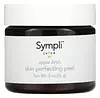
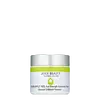
Sympli Beautiful Juice Apple AHA Skin Perfecting Peel Versus Juice Beauty Green Apple Peel Full Strength Exfoliating Mask
This smoothing exfoliator is formulated around Glycolic Acid and Lactic Acid to refine skin texture and brighten dull-looking skin.
This wash off mask is formulated around Glycolic Acid to exfoliate and smooth skin.

What's inside
What's inside
 Key Ingredients
Benefits
Concerns
Ingredients Side-by-side
Pyrus Malus Juice
Skin ConditioningAloe Barbadensis Leaf Extract
Emollient


Citrus Limon Juice
Skin Conditioning
Glycerin
Humectant

Glycolic Acid
Buffering









Hydroxypropyl Starch Phosphate
Sclerotium Gum
Emulsion StabilisingSalix Alba Bark Extract
Astringent
Propanediol
Solvent
Lactic Acid
Buffering
Bakuchiol
Antimicrobial

Sodium Ascorbyl Phosphate
Antioxidant
Vitis Vinifera Seed Extract
Antimicrobial
Phytic Acid
Chelating
Xanthan Gum
EmulsifyingPotassium Sorbate
Preservative
Caprylyl Glyceryl Ether
CleansingCaprylhydroxamic Acid
ChelatingPyrus Malus Juice, Aloe Barbadensis Leaf Extract, Citrus Limon Juice, Glycerin, Glycolic Acid, Hydroxypropyl Starch Phosphate, Sclerotium Gum, Salix Alba Bark Extract, Propanediol, Lactic Acid, Bakuchiol, Sodium Ascorbyl Phosphate, Vitis Vinifera Seed Extract, Phytic Acid, Xanthan Gum, Potassium Sorbate, Caprylyl Glyceryl Ether, Caprylhydroxamic Acid
Aloe Barbadensis Leaf Juice
Skin Conditioning
Pyrus Malus Juice
Skin ConditioningGlycolic Acid
Buffering
Glycerin
Humectant
Lactic Acid
Buffering
Hydroxypropyl Starch Phosphate
Sodium Hydroxide
BufferingXanthan Gum
EmulsifyingGluconolactone
Chelating
Citrus Limon Juice
Skin Conditioning
Salix Alba Bark Extract
Astringent
Vitis Vinifera Seed Extract
Antimicrobial
Bakuchiol
Antimicrobial
Magnesium Aspartate
Skin ConditioningZinc Gluconate
Skin Conditioning
Copper Gluconate
Skin Conditioning
Sodium Phytate
ChelatingVitis Vinifera Seed Oil
Emollient

Ascorbyl Palmitate
Antioxidant
Ascorbic Acid
Antioxidant
Tocopherol
Antioxidant
Citrus Aurantium Dulcis Flower
Skin ConditioningLitsea Cubeba Fruit Oil
Masking

Cinnamomum Camphora Wood Oil
Masking
Citrus Grandis Peel Oil
Masking
Sodium Benzoate
Masking
Calcium Gluconate
HumectantPotassium Sorbate
Preservative
Sclerotium Gum
Emulsion StabilisingAloe Barbadensis Leaf Juice, Pyrus Malus Juice, Glycolic Acid, Glycerin, Lactic Acid, Hydroxypropyl Starch Phosphate, Sodium Hydroxide, Xanthan Gum, Gluconolactone, Citrus Limon Juice, Salix Alba Bark Extract, Vitis Vinifera Seed Extract, Bakuchiol, Magnesium Aspartate, Zinc Gluconate, Copper Gluconate, Sodium Phytate, Vitis Vinifera Seed Oil, Ascorbyl Palmitate, Ascorbic Acid, Tocopherol, Citrus Aurantium Dulcis Flower, Litsea Cubeba Fruit Oil, Cinnamomum Camphora Wood Oil, Citrus Grandis Peel Oil, Sodium Benzoate, Calcium Gluconate, Potassium Sorbate, Sclerotium Gum
Reviews
Ingredients Explained
These ingredients are found in both products.
Ingredients higher up in an ingredient list are typically present in a larger amount.
Bakuchiol is a plant-derived antioxidant from the seeds of the Psoralea corylifolia plant. It has antimicrobial, emollient, skin conditioning, and antioxidant properties.
You'll likely see it called a "retinol replacement" but the two are technically not related. This is because bakuchiol is able to flip many of the same switches in your skin cells to tell them to:
1) produce more collagen (type I, III, and IV)
2) activate the same genes retinoids do
Unlike retinoids, this ingredient will not increase photosensitivity and is safe to use during pregnancy (but please still check in with your doctor!).
The flagship clinical trial from Dhaliwal et al. 2019 found 0.5% bakuchiol (twice daily) and 0.5% retinol (once daily) reduced wrinkles and hyperpigmentation equally, but bakuchiol had significantly less irritation.
Systematic reviews also back this up:
Bakuchiol is comparable to retinol for photoaging but with better tolerability. It also has mild antibacterial properties against Cutibacterium acnes and antifungal activity in vitro against Candida and dermatophytes.
The reason bakuchiol works well is due to its structure; it is a meroterpene phenol, or a hybrid molecule. The phenol half acts as an antioxidant while the terpene half is fat-loving. This helps the molecule slip through the skin barrier.
This ingredient is usually used between 0.5-2%. Only one case of contact dermatitis has ever been reported for this ingredient.
Learn more about BakuchiolCitrus Limon juice is also lemon juice.
While lemon juice contains antioxidants and vitamins, it can sensitize the skin.
The acidity of lemons may work as an astringent for acne. This can cause sensitivity. Lemon juice can also increase photosensitivity, or sensitivity to the sun.
Learn more about Citrus Limon JuiceGlycerin (or glycerol) is a compound naturally found in your skin. It's a powerhouse humectant that pulls water into the stratum corneum.
Topically, glycerin does several things at once:
Your skin makes glycerin on its own (mostly from sebaceous oil breakdown) and shuttles it to your outermost layer of skin, or your epidermis, via aquaporin-3.
Aquaporin-3 is a transporter that is essential for normal skin hydration, elasticity, and repair. Interestingly, mice lacking in AQP3 have dry and less elastic skin that can be fully corrected with glycerin.
This ingredient is non-irritating, plays well with almost every ingredient, and works across all skin types. Typical use is anywhere between 3-10% but can go up to 79% in some leave-on products.
Just know very high concentrations (>40%) can feel tacky in low humidity.
Glycerin is the name for this ingredient in American English. British English uses Glycerol/Glycerine.
Learn more about GlycerinGlycolic Acid is arguably the most famous alpha hydroxy acid (AHA) with tons of research backing its benefits.
It is found naturally in sugar cane but the form used in skincare is usually synthetic for purity and stability.
Glycolic acid removes the top layer of dead skin cells to allow newer and fresher ones to emerge.
AHAs work by breaking down the structural “glue” that holds old skin cells in place. When that buildup is gone, your skin can renew itself more efficiently.
Research also shows glycolic acid stimulates collagen production, helping to firm and thicken the skin over time. This is one of its biggest advantages over other AHAs.
Overall, glycolic acid helps with:
Fun fact: Glycolic acid boosts skin hydration by helping it produce molecules that increase hyaluronic acid naturally.
To work best, glycolic acid products should have a pH between 3-4 (that’s where exfoliation is most effective but still gentle on skin).
The pH and concentration of a product are key to its effectiveness:
It is normal to feel a slight stinging sensation when using glycolic acid. This usually fades as your skin adjusts.
Because glycolic acid has the smallest molecular size in the AHA family, it can penetrate deeper, which enhances its effectiveness but also makes it more likely to irritate sensitive skin.
If your skin is very sensitive or prone to rosacea, glycolic acid may be too strong; in that case, try milder options like lactic acid or a PHA instead.
Recent studies suggest glycolic acid might even help protect against UV damage. But don’t skip sunscreen! Freshly exfoliated skin is more sensitive to the sun.
Glycolic acid is a skincare superstar. It smooths, brightens, hydrates, and firms the skin. Unless you’re highly sensitive, it’s well worth adding to your routine.
Read more about some other popular AHA's here:
Learn more about Glycolic AcidHydroxypropyl Starch Phosphate is a modified starch used to help thicken a product.
It is also used in foods.
Lactic Acid is another well-loved alpha hydroxy acid (AHA). It is gentler than glycolic acid but still highly effective.
Its main role is to exfoliate the surface of the skin by loosening the “glue” that holds dead skin cells together. Shedding those old cells leads to smoother, softer, and more even-toned skin.
Because lactic acid molecules are larger than glycolic acid, they don’t penetrate as deeply. This means they’re less likely to sting or irritate, making it a great choice for beginners or those with sensitive skin.
Like glycolic acid, it can:
Lactic acid also acts as a humectant (like hyaluronic acid). It can draw water into the skin to improve hydration and also plays a role in the skin's natural moisturizing factor (NMF) in the form of sodium lactate.
Studies show it can boost ceramide production to strengthen the skin barrier and even help balance the skin’s microbiome.
To get results, choose products with a pH between 3-4.
Lower strengths (5-12%) focus on surface exfoliation; higher strengths (12% and up) can reach deeper in the dermis (deeper, supportive layer) to improve skin texture and firmness over time.
Though it was originally derived from milk, most modern lactic acid used in skincare is vegan. It is made through non-dairy fermentation to create a bio-identical and stable form suitable for all formulations.
When lactic acid shows up near the end of an ingredient list, it usually means the brand added just a tiny amount to adjust the product’s pH.
Legend has it that Cleopatra used to bathe in sour milk to help reduce wrinkles.
Lactic acid is truly a gentle multitasker: it exfoliates, hydrates, strengthens, and brightens. It's a great ingredient for giving your skin a smooth, glowing, and healthy look without the harshness of stronger acids.
Read more about some other popular AHA's here:
Learn more about Lactic AcidPotassium Sorbate is a preservative used to prevent yeast and mold in products. It is commonly found in both cosmetic and food products.
This ingredient comes from potassium salt derived from sorbic acid. Sorbic acid is a natural antibiotic and effective against fungus.
Both potassium sorbate and sorbic acid can be found in baked goods, cheeses, dried meats, dried fruit, ice cream, pickles, wine, yogurt, and more.
You'll often find this ingredient used with other preservatives.
Learn more about Potassium SorbateThis ingredient is also known as apple juice. Apples are rich in Vitamin C, sugars, and antioxidants.
Salix Alba Bark Extract comes from the bark of the white willow tree. The official CosIng listing states this ingredient to have astringent, skin conditioning, soothing, and tonic properties.
Its star compound is salicin, a natural glucoside that is chemically related to salicylic acid. That's why you'll often see it marketed as a "natural BHA alternative" but that's a bit of a stretch.
Your skin can't convert salicin to salicylic acid because it needs specific enzymes that aren't present on the skin's surface. It won't behave like true salicylic acid, especially at the concentrations used in cosmetics.
However, this ingredient has its own perks. It contains flavonoids, polyphenols, and tannins that give it proven antioxidant and soothing properties.
An 8-week clinical study found a cream with 2% of this extract improved skin microcirculation, elasticity, and dark circles. This is most likely due to its role in increasing hyaluronic acid synthesis in fibroblasts and improved vascular integrity.
Another study found a topical serum with 0.5% salicin showed improvements in visible signs of aging, hyperpigmentation, and texture.
Just be careful if you have a known aspirin/salicylate allergy and be sure to consult with a medical professional about using this ingredient if you do.
Fun fact: Willow Bark extract has been used for thousands of years and ancient civilizations used white willow to help treat pain and fevers.
Learn more about Salix Alba Bark ExtractSclerotium Gum is a natural sugar-based fiber made by fermenting a fungus called Sclerotium rolfsii. It's often used as the plant-friendly alternative for synthetic thickeners like carbomer.
In skincare, it works as a thickener, gel former, and stabilizer that keeps heavy ingredients suspended so a product does not separate.
It is non-ionic and forms a triple helix in solution. This is just a fancy way of saying it builds a smooth, cushiony, and non-sticky gel that feels silkier than many other gums.
Another perk of this ingredient is that it is very sturdy and holds up across a wide pH range (~2-11). It's also good at resisting heat and hydrolysis.
Since it holds water at the skin surface, it can provide some light hydration as well.
Typical use levels are around 0.25-2%; formulators usually use 0.2-0.5% to thicken lotions and up to 2% for a firmer gel base.
This ingredient has been found safe in cosmetics with no meaningful evidence of skin sensitization.
Learn more about Sclerotium GumVitis Vinifera Seed Extract comes from the grape vine. Grape seeds are a byproduct of creating grape juice or wine.
The components of grape seeds have many skin benefits. Research has found it to be antimicrobial and anti-inflammatory. It also contains many potent antioxidants such as Vitamin E , Vitamin C, proanthocyanidins, polyphenols, flavonoids, and anthocyanins. Proanthocyanidin has been shown to help even out skin tone.
Antioxidants help fight free-radical molecules. Free-radical molecules are capable of damaging our cells and other genetic material. Antioxidants help stabilize free-radicals by donating extra electrons. Grape seed extract may help reduce the signs of aging.
The antimicrobial properties of grape seed may help treat acne. However, more research is needed to support this claim.
Grape seed has also been found to help absorb UV rays. Grape seed extract should not replace your sunscreen.
Learn more about Vitis Vinifera Seed ExtractXanthan gum is used as a stabilizer and thickener within cosmetic products. It helps give products a sticky, thick feeling - preventing them from being too runny.
On the technical side of things, xanthan gum is a polysaccharide - a combination consisting of multiple sugar molecules bonded together.
Xanthan gum is a pretty common and great ingredient. It is a natural, non-toxic, non-irritating ingredient that is also commonly used in food products.
Learn more about Xanthan Gum

