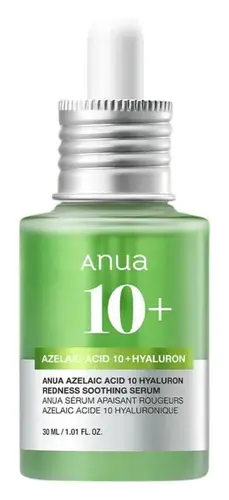
What's inside
What's inside
 Key Ingredients
No key ingredients
Benefits
Concerns
Ingredients Side-by-side
Sulfur 10%
Antiseborrhoeic



Water
Skin ConditioningPropanediol
Solvent

Caprylic/Capric Triglyceride
Masking
Glycerin
Humectant
Magnesium Aluminum Silicate
Absorbent
Arachidyl Alcohol
Emollient
Behenyl Alcohol
Emollient
Zinc Oxide
Cosmetic Colorant

Arachidyl Glucoside
Emulsifying1,2-Hexanediol
Skin Conditioning
Caprylyl Glycol
Emollient
Citric Acid
Buffering


Vaccinium Myrtillus Leaf Cell Extract
Skin ConditioningGlucose
Humectant
Ultramarines
CI 77007
Cosmetic ColorantSulfur 10%
Antiseborrhoeic
Water
Skin ConditioningGlycerin
Humectant
Kaolin
Abrasive

Bentonite
Absorbent
Propylene Glycol
Humectant
Niacinamide
Smoothing




Sorbitol
Humectant
CI 77891
Cosmetic ColorantPhenoxyethanol
Preservative
Hamamelis Virginiana Water
Astringent
Acacia Senegal Gum
MaskingXanthan Gum
EmulsifyingAlpha-Glucan Oligosaccharide
Cleansing
Carbomer
Emulsion StabilisingPolyglyceryl-4 Caprate
EmulsifyingPolyglyceryl-6 Caprylate
EmulsifyingCI 77288
Cosmetic ColorantButylene Glycol
Humectant
Potassium Sorbate
Preservative
Sodium Benzoate
Masking
Glycyrrhiza Glabra Root Extract
Bleaching
Salix Nigra Bark Extract
Skin ProtectingCamellia Sinensis Leaf Extract
Antimicrobial
Benzoic Acid
Masking
Sulfur 10%, Water, Glycerin, Kaolin, Bentonite, Propylene Glycol, Niacinamide, Sorbitol, CI 77891, Phenoxyethanol, Hamamelis Virginiana Water, Acacia Senegal Gum, Xanthan Gum, Alpha-Glucan Oligosaccharide, Carbomer, Polyglyceryl-4 Caprate, Polyglyceryl-6 Caprylate, CI 77288, Butylene Glycol, Potassium Sorbate, Sodium Benzoate, Glycyrrhiza Glabra Root Extract, Salix Nigra Bark Extract, Camellia Sinensis Leaf Extract, Benzoic Acid
Reviews
Ingredients Explained
These ingredients are found in both products.
Ingredients higher up in an ingredient list are typically present in a larger amount.
Glycerin (or glycerol) is a compound naturally found in your skin. It's a powerhouse humectant that pulls water into the stratum corneum.
Topically, glycerin does several things at once:
Your skin makes glycerin on its own (mostly from sebaceous oil breakdown) and shuttles it to your outermost layer of skin, or your epidermis, via aquaporin-3.
Aquaporin-3 is a transporter that is essential for normal skin hydration, elasticity, and repair. Interestingly, mice lacking in AQP3 have dry and less elastic skin that can be fully corrected with glycerin.
This ingredient is non-irritating, plays well with almost every ingredient, and works across all skin types. Typical use is anywhere between 3-10% but can go up to 79% in some leave-on products.
Just know very high concentrations (>40%) can feel tacky in low humidity.
Glycerin is the name for this ingredient in American English. British English uses Glycerol/Glycerine.
Learn more about GlycerinSulfur is a commonly occurring element on Earth (and our universe!). In cosmetics, it helps kill bacteria, reduces sebum, and provides exfoliation. This makes it an effective ingredient to reduce breakouts and fight acne.
As a ketayolytic agent, it breaks down the top layer of skin. This is a form of exfoliation and may help decrease acne and hyperpigmentation.
Studies show sulfur has antibacterial and antifungal properties. Sulfur can be drying if used excessively or at higher concentrations. We recommend speaking with a medical professional if you have any concerns.
Ancient Greece, India, China, and Egypt have used sulfur in both traditional medicines and for household use.
Learn more about SulfurWater. It's the most common cosmetic ingredient of all. You'll usually see it at the top of ingredient lists, meaning that it makes up the largest part of the product.
So why is it so popular? Water most often acts as a solvent - this means that it helps dissolve other ingredients into the formulation.
You'll also recognize water as that liquid we all need to stay alive. If you see this, drink a glass of water. Remember to stay hydrated!
Learn more about Water