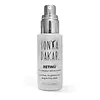
This anti-aging serum is formulated around Hydroxypinacolone Retinoate and Squalane to soften the look of wrinkles and refine skin texture.
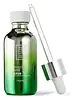
This anti-aging serum is formulated around Tetrahexyldecyl Ascorbate and Hydroxypinacolone Retinoate to soften the look of wrinkles and refine skin texture.

What's inside
What's inside
 Key Ingredients
Benefits
Concerns
Ingredients Side-by-side
Cyclopentasiloxane
Emollient
Stearoxymethicone/Dimethicone Copolymer
Emollient
Dimethicone
Emollient
Hydroxypinacolone Retinoate
Skin Conditioning






Squalane
Emollient

Solanum Lycopersicum Fruit Extract
Antioxidant
Euterpe Oleracea Fruit Oil
Skin Conditioning


Polysilicone-11
Ethoxydiglycol
HumectantPalmitoyl Hexapeptide-14
Skin Conditioning
C12-15 Alkyl Benzoate
AntimicrobialTribehenin
Emollient
Ceramide Ns
Skin Conditioning


Caprylic/Capric Triglyceride
Masking
Lavandula Stoechas Extract
MaskingPEG-10 Rapeseed Sterol
CleansingPalmitoyl Oligopeptide
Cleansing
Mauritia Flexuosa Fruit Oil
Skin Conditioning

Citrus Aurantium Bergamia Fruit Oil
Masking


Tetrahexyldecyl Ascorbate
Antioxidant
Resveratrol
Antioxidant
Cyclopentasiloxane, Stearoxymethicone/Dimethicone Copolymer, Dimethicone, Hydroxypinacolone Retinoate, Squalane, Solanum Lycopersicum Fruit Extract, Euterpe Oleracea Fruit Oil, Polysilicone-11, Ethoxydiglycol, Palmitoyl Hexapeptide-14, C12-15 Alkyl Benzoate, Tribehenin, Ceramide Ns, Caprylic/Capric Triglyceride, Lavandula Stoechas Extract, PEG-10 Rapeseed Sterol, Palmitoyl Oligopeptide, Mauritia Flexuosa Fruit Oil, Citrus Aurantium Bergamia Fruit Oil, Tetrahexyldecyl Ascorbate, Resveratrol
Dimethicone
Emollient
Cyclopentasiloxane
Emollient
Caprylyl Methicone
Skin Conditioning
Dimethicone Crosspolymer
Emulsion Stabilising
Cannabis Sativa Seed Oil
Emollient
Tetrahexyldecyl Ascorbate
Antioxidant
Hydroxypinacolone Retinoate
Skin Conditioning
Tocopheryl Acetate
Antioxidant
Palmitoyl Hexapeptide-12
Skin Conditioning
Palmitoyl Hexapeptide-14
Skin Conditioning
Palmitoyl Tripeptide-1
Skin Conditioning
Palmitoyl Tetrapeptide-7
Skin Conditioning
Melatonin
Antioxidant
Ceramide Ng
Skin Conditioning
Bisabolol
Antioxidant
Zingiber Officinale Root Extract
Masking
Hydroxymethoxyphenyl Decanone
Skin ConditioningC12-15 Alkyl Benzoate
AntimicrobialPolysilicone-11
Ethoxydiglycol
HumectantCaprylic/Capric Triglyceride
Masking
Sorbitan Laurate
Emulsifying
C18-36 Acid Glycol Ester
EmollientC18-36 Acid Triglyceride
EmollientTribehenin
Emollient
PEG-10 Phytosterol
EmulsifyingDimethyl Isosorbide
SolventDimethicone, Cyclopentasiloxane, Caprylyl Methicone, Dimethicone Crosspolymer, Cannabis Sativa Seed Oil, Tetrahexyldecyl Ascorbate, Hydroxypinacolone Retinoate, Tocopheryl Acetate, Palmitoyl Hexapeptide-12, Palmitoyl Hexapeptide-14, Palmitoyl Tripeptide-1, Palmitoyl Tetrapeptide-7, Melatonin, Ceramide Ng, Bisabolol, Zingiber Officinale Root Extract, Hydroxymethoxyphenyl Decanone, C12-15 Alkyl Benzoate, Polysilicone-11, Ethoxydiglycol, Caprylic/Capric Triglyceride, Sorbitan Laurate, C18-36 Acid Glycol Ester, C18-36 Acid Triglyceride, Tribehenin, PEG-10 Phytosterol, Dimethyl Isosorbide
Ingredients Explained
These ingredients are found in both products.
Ingredients higher up in an ingredient list are typically present in a larger amount.
C12-15 Alkyl Benzoate is a lightweight emollient made by combinig benzoic acid with fatty alcohols that are 12-15 carbons long.
In cosmetics, it plays several roles:
The Cosmetic Review Expert Panel has concluded the alkyl benzoate group to be safe as used in cosmetics; it wasn't found to be a skin irritant and unlikely to be absorbed due to its low water solubility.
This report recorded almost 1000 reported uses with concentrations up to 59% in leave-on products but your cosmetics will typically use 0.5-15% depending on the product.
It's often called a "SPF booster": this is because it keeps UV filters properly dissolved and evenly distributed to support a sunscreen's performance. It doesn't actually raise SPF on its own.
Overall, this ingredient is well tolerated.
This ingredient is fungal acne safe because it is an ester of benzoic acid.
Think of this ingredient as two parts stuck together: an oily part and an acid part. Malassezia only gets a meal when it can snip off a fatty acid to eat. With C12-15 Alkyl Benzoate, the acid part is benzoic acid, which isn't a fatty acid and which the yeast can't use as food.
Benzoic acid is actually used as a preservative to stop yeast from growing.
The oily part is a blend of C12-15 fatty alcohols but fatty alcohols in this size range can support only a little Malassezia growth (mostly for one species of Malassezia as well).
In the ingredient, those alcohols stay locked inside the molecule. The yeast can only reach them by snipping the benzoate bond, and that type of bond is harder for it to cut than a normal fatty bond.
So not much gets released. And whatever does get snipped comes packaged with benzoic acid, which discourages yeast growth.
Learn more about C12-15 Alkyl BenzoateCaprylic/Capric Triglyceride (aka MCT Oil) is a lightweight emollient, solvent, and texture enhancer. It is considered a skin-softener by helping to prevent moisture loss.
Though it behaves like an oil, it is not technically one due to its chemical composition. One perk of this ingredient is that it is very stable, resistant to oxidation, and unlikely to go rancid.
In practice, that translates to a long shelf life and a consistently elegant skin feel.
While there is an assumption Caprylic Triglyceride can clog pores due to it being derived from coconut oil, there is no research supporting this. Just patch test if you have concerns.
Fractionated coconut oil and MCT Oil are both listed as Caprylic/Capric Triglyceride according to INCI. This is because INCI names are based on the ingredient’s final chemical composition and not its marketing name or source.
This ingredient is treated as the gold standard fungal acne safe oil. Even though it is coconut derived, the problematic lauric acid is stripped out.
This leaves just caprylic (C8) and capric (C10) acid. These chain lengths actually trend antifungal; a 2020 study found caprylic acid was enough to disrupt Malassezia furfur cell membrane, with a caprylic acid derivative damaging membrane structures at concentrations as low as 0.2%.
Learn more about Caprylic/Capric TriglycerideCyclopentasiloxane (D5) is a lightweight silicone that mostly acts as an emollient and solvent in cosmetics. Its the reason your products feel silky, fast-spreading, and non-greasy.
Since D5 is volatile, it does its thing and then evaporates off the skin quickly.
The safety profile of this ingredient is reassuring; the US CIR Expert Panel concluded D5 is safe as used in cosmetics and Health Canada concluded that D5 is not harmful to human health or the environment as currently used in cosmetics
There's a study that people mention about D5 in a rat study showing tumors. This study is related to long-term inhalation of high D5 levels.
Regulatory bodies have judged this study to be not applicable in topical skincare since skin absorption of D5 is very low and we're not really inhaling huge amounts of D5.
The only restriction for this ingredient is environmental. The European Chemicals Agency (ECHA) restricted D5 in wash-off cosmetics at or above 0.1% due to their persistence in water.
Learn more about CyclopentasiloxaneDimethicone is a type of synthetic silicone created from natural materials such as quartz. It is also known as polydimethylsiloxane.
What it does:
Dimethicone comes in different viscosities:
Depending on the viscosity, dimethicone has different properties.
Ingredients lists don't always show which type is used, so we recommend reaching out to the brand if you have questions about the viscosity.
This ingredient is unlikely to cause irritation because it does not get absorbed into skin. However, people with silicone allergies should be careful about using this ingredient.
Note: Dimethicone may contribute to pilling. This is because it is not oil or water soluble, so pilling may occur when layered with products. When mixed with heavy oils in a formula, the outcome is also quite greasy.
Learn more about DimethiconeEthoxydiglycol (aka Diethylene Glycol Monoethyl Ether) is one of the cosmetic world's quiet problem solvers.
In a formula, it is a solvent that dissolves tricky ingredients that don't want to mix in and helps spread ingredients evenly across your skin without leaving a greasy or sticky feeling
This makes it great for hard-to-dissolve actives like vitamin C, benzoyl peroxide, and self-tanner DHA.
It also has mild humectant and penetration enhancer abilities so it can help some actives absorb a little deeper.
The penetration boost is backed by lab research: studies using human skin samples found it improved how well an active dissolves into the upper layer of skin rather than tearing down your skin barrier. Reviews of its mechanism also describe it interacting gently with the lipids and water in your outermost layer of skin.
Just know this penetration-enhancing effect is not universal. It helps a lot in some formulas and did very little in others (so the benefit really depends on the specific product).
Safety-wise, the evidence is reassuring. The Cosmetic Ingredient Review Expert Panel reviewed it and concluded it's safe for use in cosmetics and recognized it as non-irritating, non-sensitizing, and non-comedogenic in skincare.
Typical leave-on skincare usage lands around 1-10%. The EU has sets caps of 2.6% in non-spray products, 10% in rinse-offs, 7% in oxidative hair dye, and 5% in non-oxidative hair dye.
Learn more about EthoxydiglycolHydroxypinacolone Retinoate (aka Granactive Retinoid or HPR) is a retinoid that is part of the same vitamin A family as retinol.
It is an ester of retinoic acid that binds directly to your skin's retinoic acid receptors so it doesn't need your skin to convert it through several steps before it can do anything.
In practice, this means it does the classic retinoid jobs in a formula:
The best part is that it can do all this with noticeably less redness, flaking, and stinging than traditional retinoids.
That gentle reputation is backed by lab work as well; a 2018 study on skin models found that HPR triggered higher retinoid-gene activity than retinol, retinal, or retinyl propionate at the same concentrations while being less irritating to cells.
It also boosted procollagen production to levels similar to retinoic acid itself.
A 2023 study showed HPR works synergistically with retinyl propionate to switch on collagen-building pathways and a 2025 clinical serum study in women with mild photoaging saw improvements in wrinkles and elasticity (though that formula also contained retinol, peptides, and Silybin).
One naming quirk worth mentioning:
You'll likely see this ingredient sold under the trade name "Granactive Retinoid", which is actually only 10% HPR blended with 90% Dimethyl Isosorbide solvent. This means a 5% Granactive Retinoid really only means about 0.5% HPR.
Finished products typically land somewhere between 0.05-1% and it's happiest formulated at a mildly acidic to neutral pH (~5.5-6.5).
Another perk is that this is one of the more light- and temperature-stable retinoids which is a nice bonus for shelf life.
Learn more about Hydroxypinacolone RetinoatePalmitoyl Hexapeptide-14 is a peptide.
Polysilicone-11 is a film-forming silicone that creates a non-tacky and matte finish on the skin. It's commonly used to improve texture, absorb excess oil, and help active ingredients spread evenly.
Due to its "rubber-like" structure, it stays on the skin's surface instead of being absorbed. On the skin, it creates a flexible layer that enhances wearability and stability.
Tetrahexyldecyl Ascorbate (THD) is a stable and oil-soluble form of Vitamin C.
THD is special in that it has the ability to travel deeper into skin than traditional ascorbic acid while maintaining the same skin benefits (double win!).
Because it’s oil-soluble, THD dives deep into your skin’s fatty layers (think ceramides and cholesterol) to fight off the kind of free radicals that mess with your skin barrier. This makes it a great pair with water-based vitamin C (ascorbic acid) that mainly works on the surface.
Even at just 0.1%, THD is already showing great antioxidant activity. When used up to 2%, it helps keep your skin happy and calm, especially when it’s stressed from pollution or sun.
Want to fade dark spots or tackle hyperpigmentation? You’ll want 5% or more. Pairing it with brightening buddies like niacinamide or licorice root gives even better results. One study even used 30% THD with other brighteners and saw real results on stubborn discoloration, even in melasma-prone skin.
A note on THD: It’s has a slightly silky, oily texture and usually shows up colorless or pale yellow (though the exact shade can vary by supplier).
While you can sneak it into water-based formulas, it really shines when paired with silicones or oils, which help your skin soak it up better.
THD is pretty stable, but it’s still vulnerable to degradation like ascorbic acid. Too much light or heat (above 113°F / 45°C) can break it down over time. Go for dark and opaque packaging that keeps it safe and shady!
Read more about other types of Vitamin C:
Learn more about Tetrahexyldecyl AscorbateTribehenin is the triglyceride of glycerin and behenic acid. It is an emollient that helps soften and condition skin.
Safety-wise, this is a well-vetted ingredient. Repeated-insult patch tests of 0.38% tribehenin did not trigger sensitization.
This ingredient may not be fungal acne safe because behenic acid falls into the chain-length range that Malassezia yeasts can feed on.
Learn more about Tribehenin

