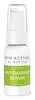
This anti-aging serum is formulated around Magnesium Ascorbyl Phosphate and Ferulic Acid to soften the look of wrinkles and brighten dull-looking skin.
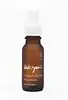
This brightening serum is formulated around Tetrahexyldecyl Ascorbate and Magnesium Ascorbyl Phosphate to brighten dull-looking skin and soften the look of wrinkles.

What's inside
What's inside
 Key Ingredients
Benefits
Concerns
Ingredients Side-by-side
Water
Skin ConditioningLactobacillus/Kelp Ferment Filtrate
Skin ConditioningSodium PCA
Humectant


Magnesium Ascorbyl Phosphate
Antioxidant







Sodium Hyaluronate
Humectant
Ferulic Acid
Antimicrobial
Aloe Barbadensis Leaf Extract
Emollient
Camellia Sinensis Catechins
Antioxidant
Niacinamide
Smoothing



Carnosine
Skin Conditioning
Hesperidin Methyl Chalcone
Antioxidant
Carnitine
Cleansing
Tetrahydrodiferuloylmethane
Antioxidant
Tetrahydrodemethoxydiferuloylmethane
Antioxidant
Tetrahydrobisdemethoxydiferuloylmethane
Antioxidant
Sorghum Bicolor Leaf/Stem Extract
Skin ConditioningLycopene
Antioxidant
Astaxanthin
Skin Conditioning
Fucoxanthin
Skin ConditioningPorphyridium Polysaccharide
Antioxidant
Glutathione
Sh-Polypeptide-2
Skin Conditioning
Sh-Polypeptide-77
Skin Conditioning
Superoxide Dismutase
Antioxidant
Citric Acid
Buffering

Propylene Glycol
Humectant
Diazolidinyl Urea
Preservative

Methylparaben
Preservative

Propylparaben
Preservative
Water, Lactobacillus/Kelp Ferment Filtrate, Sodium PCA, Magnesium Ascorbyl Phosphate, Sodium Hyaluronate, Ferulic Acid, Aloe Barbadensis Leaf Extract, Camellia Sinensis Catechins, Niacinamide, Carnosine, Hesperidin Methyl Chalcone, Carnitine, Tetrahydrodiferuloylmethane, Tetrahydrodemethoxydiferuloylmethane, Tetrahydrobisdemethoxydiferuloylmethane, Sorghum Bicolor Leaf/Stem Extract, Lycopene, Astaxanthin, Fucoxanthin, Porphyridium Polysaccharide, Glutathione, Sh-Polypeptide-2, Sh-Polypeptide-77, Superoxide Dismutase, Citric Acid, Propylene Glycol, Diazolidinyl Urea, Methylparaben, Propylparaben
Water
Skin ConditioningTetrahexyldecyl Ascorbate
Antioxidant
Lactobacillus/Nereocystis Leutkeana Ferment Filtrate
Skin ConditioningSodium PCA
Humectant
Magnesium Ascorbyl Phosphate
Antioxidant
Carnosine
Skin Conditioning
Carnitine
Cleansing
Niacinamide
Smoothing
Tetrahydrodiferuloylmethane
Antioxidant
Tetrahydrodemethoxydiferuloylmethane
Antioxidant
Tetrahydrobisdemethoxydiferuloylmethane
Antioxidant
Ferulic Acid
Antimicrobial
Hesperidin Methyl Chalcone
Antioxidant
Ascorbyl Palmitate
Antioxidant
Hyaluronic Acid
Humectant
Camellia Sinensis Leaf Extract
Antimicrobial
Phloretin
Antioxidant
Aloe Barbadensis Extract
Skin Conditioning
Glutathione
Dimethylaminoethanol Tartrate
EmollientUbiquinone
Antioxidant
Resveratrol
Antioxidant
Centella Asiatica Extract
Cleansing
Lycopene
Antioxidant
Thioctic Acid
Antioxidant
Superoxide Dismutase
Antioxidant
Catalase
Skin ConditioningSh-Oligopeptide-77
Skin Conditioning
Citric Acid
Buffering
Caprylyl Glycol
Emollient
Phenoxyethanol
Preservative
Sorbic Acid
Preservative
Water, Tetrahexyldecyl Ascorbate, Lactobacillus/Nereocystis Leutkeana Ferment Filtrate, Sodium PCA, Magnesium Ascorbyl Phosphate, Carnosine, Carnitine, Niacinamide, Tetrahydrodiferuloylmethane, Tetrahydrodemethoxydiferuloylmethane, Tetrahydrobisdemethoxydiferuloylmethane, Ferulic Acid, Hesperidin Methyl Chalcone, Ascorbyl Palmitate, Hyaluronic Acid, Camellia Sinensis Leaf Extract, Phloretin, Aloe Barbadensis Extract, Glutathione, Dimethylaminoethanol Tartrate, Ubiquinone, Resveratrol, Centella Asiatica Extract, Lycopene, Thioctic Acid, Superoxide Dismutase, Catalase, Sh-Oligopeptide-77, Citric Acid, Caprylyl Glycol, Phenoxyethanol, Sorbic Acid
Ingredients Explained
These ingredients are found in both products.
Ingredients higher up in an ingredient list are typically present in a larger amount.
This ingredient is also known as Levocarnitine or L-Carnitine. It is an amino acid derivative naturally found in our bodies.
Biologically, carnitine plays a key role in cellular energy production. It transports fatty acids into the mitochondria (say it with me, "the powerhouse of the cell") where they are converted into cellular fuel.
In skincare, this process helps regulate sebum production. One study found topical L-carnitine can help reduce excess oil and improve skin oil balance. This makes it a great addition for oily or acne-prone skin.
Besides oil control, carnitine supports healthy skin metabolism by boosting lipid breakdown. Research has shown it can improve skin’s resilience against aging and external stressors like UV exposure.
There are no downsides to using this ingredient and it is a great multifunctional ingredient for both sebum regulation and anti-aging care.
Learn more about CarnitineCarnosine is a dipeptide made from two amino acids.
This ingredient helps:
Glycation is the process of sugars binding to and damaging proteins. Too much sugar in our skin can lead to damaged collagen, contributing to factors of aging.
Carnosine is water-soluble and is not able to travel deeper layers of skin. This leads to some doubt about whether it can boost collagen in skin, since collagen is located in the deeper layers of skin.
Fun fact: Carnosine can be naturally found in our muscles and brain.
Learn more about CarnosineCitric Acid is an alpha hydroxy acid (AHA) naturally found in citrus fruits like oranges, lemons, and limes.
Like other AHAs, citric acid can exfoliate skin by breaking down the bonds that hold dead skin cells together. This helps reveal smoother and brighter skin underneath.
However, this exfoliating effect only happens at high concentrations (20%) which can be hard to find in cosmetic products.
Due to this, citric acid is usually included in small amounts as a pH adjuster. This helps keep products slightly more acidic and compatible with skin's natural pH.
In skincare formulas, citric acid can:
While it can provide some skin benefits, research shows lactic acid and glycolic acid are generally more effective and less irritating exfoliants.
Most citric acid used in skincare today is made by fermenting sugars (usually from molasses). This synthetic version is identical to the natural citrus form but easier to stabilize and use in formulations.
Rosacea skin has a lower threshold for acids generally, with 62.5% of rosacea subjects in one study reacting to lactic acid in a sting test. This is why we mark citric acid as a potential rosacea trigger.
However, this ingredient shows up as a pH adjuster or chelator at roughly 0.1-1% in many products. These low levels are unlikely to be an issue for rosacea skin and becomes a potential trigger at exfoliating concentrations (20%). Because everybody's skin is unique, we recommend a patch test if you are unsure.
Learn more about Citric AcidFerulic Acid is a plant based antioxidant that can be naturally found in the cell walls of grains like rice, oats, and corn. It has antioxidant and antimicrobial properties, and has the ability to boost the performance of other antioxidants as well.
A well-known study found that adding Ferulic Acid to a solution of Vitamins C and E doubled the photoprotection of skin. This is why you'll often see it paired with Vitamin C or Vitamin E serums rather than sold on its own.
A 2025 review of 18 human studies found that using Ferulic Acid (0.5-1%) daily for one to three months showed improvements in:
As far as allergies go, Ferulic acid is generally well-tolerated but can cause an allergic reaction in very rare cases. It's also worth noting that Ferulic acid is often extracted from plant sources like rice bran or wheat bran, so be sure to path test if you have known grain allergies.
Outside of skincare, researchers are also looking into Ferulic Acid for its potential benefits in areas like diabetes, Alzheimer's, and heart health.
Learn more about Ferulic AcidGlutathione is a tiny protein-like molecule (a "tripeptide" build from 3 amino acids: glycine, cysteine, and glutamic acid) that your body already makes on its own.
Inside your body, it acts as one of the skin's main antioxidants that help fight against free radicals.
In skincare, it's best known as a brightening ingredient that slows down tyrosinase, the key enzyme that makes skin pigment. It also nudges the skin toward making a lighter type of pigment instead of a darker one.
This is why you'll see it in products aimed at dark spots and uneven tone.
A small number of real human trials have found a topical glutathione lotion:
The honest caveat is that the current evidence is still thin (few studies, small groups, short timelines). Glutathione also doesn't absorb into skin very easily so results tend to be modest and fade if you stop using it.
One thing worth clearing up:
The scary side effects you may have heard about come from glutathione injected intravenously, which has real safety concerns. Applying it topically is a completely different thing and has a clean track record.
Most human studies used it around 2% (as Glutathione or Glutathione Disulfide) and a 2% oxidized glutathione lotion and a 2% S-acyl glutathione cream are the concentrations with actual clinical data behind them.
There's no established "ideal" percentage yet but 1-2% is the evidence-backed range.
Allergy-wise, there is very low risk for this ingredient; it was well-tolerated across the topical trials. Only one participant had mild temporary redness that cleared up on its own and another study reported no adverse reactions at all.
One trial had ~10% of users drop out for irritation was using a combination cream that also had 10% azelaic acid so the irritation likely wasn't from the glutathione. There's no notable contact-allergy signal for topical glutathione in the literature but patch-testing before first use is still sensible for those with sensitive skin.
Learn more about GlutathioneHesperidin Methyl Chalcone (HMC) is a modified form of hesperidin, a citrus flavonoid. It has antioxidant properties.
In preclinical research, HMC has been studied for its ability to reduce oxidative stress and inflammation related to UVB exposure. Outside of cosmetics, HMC has been looked at for its effects on capillary leakage and swelling. This is why you'll often see this ingredient in eye creams.
Overall, HMC is a gentle and supportive ingredient. Further research is needed on the claims that this ingredient can "erase dark circles".
Learn more about Hesperidin Methyl ChalconeLycopene is an antioxidant.
Magnesium Ascorbyl Phosphate (MAP) is a water-soluble form of Vitamin C. It is used in skincare because it tends to be more formulation friendly than pure vitamin C (ascorbic acid).
According to research, MAP has three major benefits:
While MAP is gentler on the skin than ascorbic acid, it is thought to be less easily absorbed into the skin.
In a well-known absorption study, pure vitamin C increased skin vitamin C levels when formulated correctly, but derivatives like MAP did not in that experiment. This suggests MAP may not always convert into active vitamin C in the skin.
Due to MAP's stability up to a pH level of 7, it is more stable to air and sunlight exposure than ascorbic acid. The best pH range for MAP is between 5 and 6.
Learn more about Magnesium Ascorbyl PhosphateNiacinamide is a multitasking form of vitamin B3 that strengthens the skin barrier, reduces pores and dark spots, regulates oil, and improves signs of aging.
And the best part? It's gentle and well-tolerated by most skin types, including sensitive and reactive skin.
You might have heard of "niacin flush", or the reddening of skin that causes itchiness. Niacinamide has not been found to cause this.
In very rare cases, some individuals may not be able to tolerate niacinamide at all or experience an allergic reaction to it.
If you are experiencing flaking, irritation, and dryness with this ingredient, be sure to double check all your products as this ingredient can be found in all categories of skincare.
When incorporating niacinamide into your routine, look out for concentration amounts. Typically, 5% niacinamide provides benefits such as fading dark spots. However, if you have sensitive skin, it is better to begin with a smaller concentration.
When you apply niacinamide to your skin, your body converts it into nicotinamide adenine dinucleotide (NAD). NAD is an essential coenzyme that is already found in your cells as "fuel" and powers countless biological processes.
In your skin, NAD helps repair cell damage, produce new healthy cells, support collagen production, strengthen the skin barrier, and fight environmental stressors (like UV and pollution).
Our natural NAD levels start to decline with age, leading to slower skin repair, visible aging, and a weaker skin barrier. By providing your skin niacinamide, you're recharging your skin's NAD levels. This leads to stronger, healthier, and younger looking skin.
Another name for vitamin B3 is nicotinamide. This vitamin is water-soluble and our bodies don't store it. We obtain Vitamin B3 from either food or skincare. Meat, fish, wheat, yeast, and leafy greens contain vitamin B3.
The type of niacinamide used in skincare is synthetically created.
Learn more about NiacinamideSodium PCA (the salt of PCA) is one of the most well-established humectants in skincare.
Why is it so special? Your skin already makes it naturally; it's a natural component of your skin's Natural Moisturizing Factor (NMF), or the mix of water-binding compounds inside your skin cells that keeps things soft and hydrated.
As a cosmetic ingredient, it grabs water and holds it in the upper layers of skin to smooth roughness and ease dehydration.
There's some clinical support for the NMF approach with a study showing that a cream built to mimic the skin's NMF significantly boosted hydration.
Safety-wise, this ingredient non-irritating, non-comedogenic, and non-phototoxic in testing, with minimal skin absorption.
It also works really well with other hydrators like glycerin or hyaluronic acid, and typical usage is somewhere between 0.2-4%.
Learn more about Sodium PCASuperoxide Dismutase is found in all living cells. This ingredient is AKA as 'SOD'.
SOD is a strong antioxidant. It protects living cells against oxidative damage by breaking down radical molecules into regular oxygen and hydrogen peroxide.
Antioxidants help fight free-radical molecules that may damage your skin's DNA. This may help with the signs of aging. Due to its antioxidant property, it is used to help treat chronic inflammation.
In cosmetics, SOD is usually obtained from marine phytoplankton, bovine liver, horseradish, cantaloupe, and certain bacteria.
The three major families of SOD include: Copper/Zinc, Iron/Manganese, and Nickel.
When eating SOD-rich foods, our bodies break it down into amino acids before absorption. Foods that contain SOD include: melons, citrus, spinach, broccoli, kale, almonds, sunflower seeds, and blue-green algae.
Learn more about Superoxide DismutaseTetrahydrobisdemethoxydiferuloylmethane is an antioxidant.
Tetrahydrodemethoxydiferuloylmethane is an antioxidant.
Tetrahydrodiferuloylmethane is an antioxidant.
Water. It's the most common cosmetic ingredient of all. You'll usually see it at the top of ingredient lists, meaning that it makes up the largest part of the product.
So why is it so popular? Water most often acts as a solvent - this means that it helps dissolve other ingredients into the formulation.
You'll also recognize water as that liquid we all need to stay alive. If you see this, drink a glass of water. Remember to stay hydrated!
Learn more about Water

