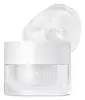
This barrier-repair moisturizer is formulated around Polyquaternium-51 and Tremella Fuciformis Extract to strengthen the skin barrier and hydrate skin.
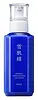
This brightening emulsion is formulated around Camellia Sinensis Leaf Extract to brighten dull-looking skin and calm redness.

What's inside
What's inside
 Key Ingredients
No key ingredients
Benefits
Concerns
No concerns
Ingredients Side-by-side
Water
Skin ConditioningButylene Glycol
Humectant

Dipropylene Glycol
HumectantGlycereth-26
Humectant
Diglycerin
Humectant
Alpinia Speciosa Leaf Extract
Skin ConditioningCoix Lacryma-Jobi Ma-Yuen Seed Extract
Skin ConditioningLitchi Chinensis Seed Extract
Skin ConditioningMorinda Citrifolia Fruit Juice
Skin ConditioningPaeonia Albiflora Flower Extract
TonicPolyquaternium-51
Skin Conditioning
Tremella Fuciformis Extract
Humectant
Acrylates/C10-30 Alkyl Acrylate Crosspolymer
Emulsion StabilisingCarbomer
Emulsion StabilisingCellulose Gum
Emulsion StabilisingDisodium EDTA
Sodium Hydroxide
BufferingPhenoxyethanol
Preservative
Water, Butylene Glycol, Dipropylene Glycol, Glycereth-26, Diglycerin, Alpinia Speciosa Leaf Extract, Coix Lacryma-Jobi Ma-Yuen Seed Extract, Litchi Chinensis Seed Extract, Morinda Citrifolia Fruit Juice, Paeonia Albiflora Flower Extract, Polyquaternium-51, Tremella Fuciformis Extract, Acrylates/C10-30 Alkyl Acrylate Crosspolymer, Carbomer, Cellulose Gum, Disodium EDTA, Sodium Hydroxide, Phenoxyethanol
Stearyl Glycyrrhetinate
Skin ConditioningWater
Skin ConditioningButylene Glycol
Humectant
Glycerin
Humectant
Alcohol Denat.
Antimicrobial




Squalane
Emollient
Polyoxymethylene Glycol Urea
Preservative
Pentaerythrityl Tetraethylhexanoate
Emollient
Phytosteryl Oleate
Skin ConditioningHydrogenated Lecithin
Emulsifying
Camellia Sinensis Leaf Extract
Antimicrobial




Eugenia Caryophyllus Flower Extract
AstringentTourmaline Extract
Skin ConditioningMelothria Heterophylla Root Extract
Skin ConditioningCoix Lacryma-Jobi Ma-Yuen Seed Extract
Skin ConditioningCoix Lacryma-Jobi Seed Water
Skin ConditioningAcrylates/C10-30 Alkyl Acrylate Crosspolymer
Emulsion StabilisingCarbomer
Emulsion StabilisingCellulose Gum
Emulsion StabilisingDiglycerin
Humectant
Cetearyl Alcohol
Emollient




Triethylhexanoin
MaskingPhytosterols
Skin Conditioning
Behenyl Alcohol
Emollient
Methicone
Emollient
Sodium Hydroxide
BufferingPhenoxyethanol
Preservative
Parfum
Masking

Caramel
Cosmetic ColorantStearyl Glycyrrhetinate, Water, Butylene Glycol, Glycerin, Alcohol Denat., Squalane, Polyoxymethylene Glycol Urea, Pentaerythrityl Tetraethylhexanoate, Phytosteryl Oleate, Hydrogenated Lecithin, Camellia Sinensis Leaf Extract, Eugenia Caryophyllus Flower Extract, Tourmaline Extract, Melothria Heterophylla Root Extract, Coix Lacryma-Jobi Ma-Yuen Seed Extract, Coix Lacryma-Jobi Seed Water, Acrylates/C10-30 Alkyl Acrylate Crosspolymer, Carbomer, Cellulose Gum, Diglycerin, Cetearyl Alcohol, Triethylhexanoin, Phytosterols, Behenyl Alcohol, Methicone, Sodium Hydroxide, Phenoxyethanol, Parfum, Caramel
Reviews
Ingredients Explained
These ingredients are found in both products.
Ingredients higher up in an ingredient list are typically present in a larger amount.
Acrylates/C10-30 Alkyl Acrylate Crosspolymer is a synthetic polymer. It is used to thicken, emulsify, and improve the texture of products.
As an emulsifier, it helps stabilize oil-in-water emulsions to give products an elegant feel when applied.
It can also form a thin protective film on skin. One study found that a formula using this polymer helped slow down how quickly other ingredients (like DEET) were absorbed through skin.
A 2024 study of over 1,300 patients confirmed that sensitization to this ingredient is rare. It is also non-mutagenic and has a clean track record.
Learn more about Acrylates/C10-30 Alkyl Acrylate CrosspolymerButylene Glycol (or BG) is used within cosmetic products for a few different reasons:
Overall, Butylene Glycol is a safe and well-rounded ingredient that works well with other ingredients.
Though this ingredient works well with most skin types, some people with sensitive skin may experience a reaction such as allergic rashes, closed comedones, or itchiness.
Learn more about Butylene GlycolCarbomer is a synthetic thickening and gelling agent. It's basically the ingredient that gives a lot of serums, gels, creams, and sunscreens their smooth, non-sticky texture.
Although legally permitted at very high levels, carbomers are normally used at concentrations below 1%.
It also needs to be neutralized to actually thicken, and because it is a large molecule, it doesn't really penetrate the skin barrier.
Allergy-wise, the risk is very low. Clinical studies show carbomers have low potential for skin irritation/sensitization even at concentrations up to 100%.
A 2024 UK study patch-tested 1,302 patients and found true allergy to the parent group of carbomer to be rare with no confirmed relevant reactions.
Learn more about CarbomerCellulose Gum is a water-soluble polymer that comes from cellulose. It is used to change the texture of a product and to help stabilize emulsions.
As an emulsifier, cellulose gum specifically thicken the texture of water-based products.
This ingredient is considered hypoallergenic and non-toxic. Cellulose Gum can be found in cosmetics, food, and other household goods such as paper products.
Learn more about Cellulose GumYou might know this plant as Job's Tears or Chinese pearl barley. It is a grain native to Southeast Asia.
This ingredient has skin conditioning properties. Emerging studies show the grain to exhibit antioxidant and anti-inflammation properties as well. (With one study finding this ingredient to be effective at blocking melanin when skin is exposed to UV).
Job's tears is rich in nutrients, such as thiamine, riboflavin, niacin and ascorbic acid.
You can also find great antioxidants such as ferulic acid, caffeic acid.
To top if off, ceramides are also present in this grain.
Learn more about Coix Lacryma-Jobi Ma-Yuen Seed ExtractDiglycerin is a humectant. It is derived from glycerin, which is naturally found in your skin.
As a humectant, it helps draw moisture to the skin from the air.
Phenoxyethanol is one of the most widely used preservatives in skincare (and for good reason!).
It has a large spectrum of antimicrobial activity and especially effective bacteria, yeast, and mold while only having a weak effect on your skin's natural microbiome.
On a cellular level, it disrupts the cell membranes of microbes by poking holes that make the cell leak. This shuts down the chemical reactions the microbe needs to make energy so it can no longer survive.
Another perk of this ingredient is that it stays functional across a wide pH range (3-10).
You'll often see it paired with boosters like Ethylhexylglycerin; one study showed that a 1:9 ratio of Ethylhexylglycerin to Phenoxyethanol damages bacterial membranes as effectively as doubling the Phenoxyethanol concentration on its own.
Typical use concentrations range from 0.3-1% depending on the formula, and this ingredient is capped at 1% int the EU.
Safety-wise, the fear mongering does not hold up to the evidence. The EU's Scientific Committee on Consumer Safety and FDA consider it safe as a preservative at up to 1%, including for children of all ages.
Adverse systemic effects only showed up in animal studies at exposures roughly 200x higher than what people get from cosmetics. And despite its very widespread use, this ingredient is a rare sensitizer and allergic reactions are uncommon.
Learn more about PhenoxyethanolSodium Hydroxide is also known as lye or caustic soda. It is used to adjust the pH of products; many ingredients require a specific pH to be effective.
In small amounts, sodium hydroxide is considered safe to use. However, large amounts may cause chemical burns due to its high alkaline.
Your skin has a natural pH and acid mantle. This acid mantle helps prevent harmful bacteria from breaking through. The acid mantle also helps keep your skin hydrated.
"Alkaline" refers to a high pH level. A low pH level would be considered acidic.
Learn more about Sodium HydroxideWater. It's the most common cosmetic ingredient of all. You'll usually see it at the top of ingredient lists, meaning that it makes up the largest part of the product.
So why is it so popular? Water most often acts as a solvent - this means that it helps dissolve other ingredients into the formulation.
You'll also recognize water as that liquid we all need to stay alive. If you see this, drink a glass of water. Remember to stay hydrated!
Learn more about Water

