This mild micellar makeup remover is made to dissolve makeup, sunscreen, and daily buildup.
This mild micellar makeup remover is made to dissolve makeup, sunscreen, and daily buildup.

What's inside
What's inside
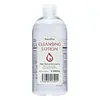 Key Ingredients
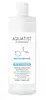
Benefits
Concerns
Ingredients Side-by-side
Water
Skin ConditioningPEG-8 Caprylic/Capric Glycerides
EmulsifyingPropylene Glycol
Humectant


Aloe Barbadensis Leaf Extract
Emollient

Glycosyl Trehalose
Emulsion StabilisingHydrogenated Starch Hydrolysate
HumectantSodium Hyaluronate
Humectant


Citrus Paradisi Fruit Extract
Skin ConditioningCrataegus Cuneata Fruit Extract
Skin ConditioningZiziphus Jujuba Fruit Extract
Skin ConditioningPyrus Malus Fruit Extract
Skin Conditioning
Citrus Aurantifolia Juice
CleansingCitrus Aurantium Dulcis Juice
Skin ConditioningCitrus Limon Juice
Skin Conditioning
Coix Lacryma-Jobi Ma-Yuen Seed Extract
Skin ConditioningEthylhexylglycerin
Skin ConditioningTetrasodium EDTA
ChelatingLactic Acid
Buffering






Sodium Citrate
BufferingCitric Acid
Buffering
Butylene Glycol
Humectant
Xylitol
Humectant
Phenoxyethanol
Preservative
Water, PEG-8 Caprylic/Capric Glycerides, Propylene Glycol, Aloe Barbadensis Leaf Extract, Glycosyl Trehalose, Hydrogenated Starch Hydrolysate, Sodium Hyaluronate, Citrus Paradisi Fruit Extract, Crataegus Cuneata Fruit Extract, Ziziphus Jujuba Fruit Extract, Pyrus Malus Fruit Extract, Citrus Aurantifolia Juice, Citrus Aurantium Dulcis Juice, Citrus Limon Juice, Coix Lacryma-Jobi Ma-Yuen Seed Extract, Ethylhexylglycerin, Tetrasodium EDTA, Lactic Acid, Sodium Citrate, Citric Acid, Butylene Glycol, Xylitol, Phenoxyethanol
Water
Skin ConditioningPEG-8 Caprylic/Capric Glycerides
EmulsifyingPropylene Glycol
Humectant
Niacinamide
Smoothing

Glycerin
Humectant
Dipropylene Glycol
HumectantSodium Hyaluronate
Humectant
Hydrolyzed Hyaluronic Acid
Humectant
Hydroxypropyltrimonium Hyaluronate
Glyceryl Glucoside
Humectant
Sodium PCA
Humectant
Bioflavonoids
Skin ConditioningSoluble Collagen
Humectant
Hydrolyzed Collagen
Emollient
Succinoyl Atelocollagen
Skin Conditioning
Sphingomonas Ferment Extract
Skin Conditioning
Saccharomyces Lysate Extract
Humectant
Aloe Barbadensis Leaf Extract
Emollient
Brassica Oleracea Italica Extract
AstringentRosa Damascena Flower Water
Masking
Rosa Hybrid Flower Extract
Skin ConditioningAllantoin
Skin Conditioning
Propanediol
Solvent
Algin
MaskingPhenoxyethanol
Preservative
Sodium Benzoate
Masking
Water, PEG-8 Caprylic/Capric Glycerides, Propylene Glycol, Niacinamide, Glycerin, Dipropylene Glycol, Sodium Hyaluronate, Hydrolyzed Hyaluronic Acid, Hydroxypropyltrimonium Hyaluronate, Glyceryl Glucoside, Sodium PCA, Bioflavonoids, Soluble Collagen, Hydrolyzed Collagen, Succinoyl Atelocollagen, Sphingomonas Ferment Extract, Saccharomyces Lysate Extract, Aloe Barbadensis Leaf Extract, Brassica Oleracea Italica Extract, Rosa Damascena Flower Water, Rosa Hybrid Flower Extract, Allantoin, Propanediol, Algin, Phenoxyethanol, Sodium Benzoate
Ingredients Explained
These ingredients are found in both products.
Ingredients higher up in an ingredient list are typically present in a larger amount.
Aloe Barbadensis Leaf Extract is a botanical extract pulled from the leaves of aloe vera and one of the most studied plant ingredients in cosmetics.
The inner leaf gel it comes from is mostly water (~99-99.5%) and the remaining fraction is made up of pretty good stuff: polysaccharides, vitamins, phenolics, and enzymes.
Its headline job is hydration.
The star polysaccharide in aloe, acemannan, is a humectant that retains moisture and helps reduce trans-epidermal water loss.
Aloe also has real soothing credentials; it contains anti-inflammatory compounds like bradykinase and C-glucosyl chromone that help calm irritation and redness.
On the repair side, lab work shows that acemannan wakes up your skin's repair cells (fibroblasts), prompting them to multiply and speed up healing.
There's some human data for cosmetic benefit too: a cream containing 10% Aloe Barbadensis leaf extract improved skin hydration and elasticity in a real-use study.
Safety-wise, this ingredient is well-regarded with just one rare downside; there have been some case reports of acute eczema, contact urticaria, and dermatitis in people who applied aloe-derived ingredients topically. Those with a known aloe or Liliaceae sensitivity should patch test.
Typical use levels range widely, from under 1% up to 90%+ depending on the format and the effect you are after.
Learn more about Aloe Barbadensis Leaf ExtractWe don't have a description for PEG-8 Caprylic/Capric Glycerides yet.
Phenoxyethanol is one of the most widely used preservatives in skincare (and for good reason!).
It has a large spectrum of antimicrobial activity and especially effective bacteria, yeast, and mold while only having a weak effect on your skin's natural microbiome.
On a cellular level, it disrupts the cell membranes of microbes by poking holes that make the cell leak. This shuts down the chemical reactions the microbe needs to make energy so it can no longer survive.
Another perk of this ingredient is that it stays functional across a wide pH range (3-10).
You'll often see it paired with boosters like Ethylhexylglycerin; one study showed that a 1:9 ratio of Ethylhexylglycerin to Phenoxyethanol damages bacterial membranes as effectively as doubling the Phenoxyethanol concentration on its own.
Typical use concentrations range from 0.3-1% depending on the formula, and this ingredient is capped at 1% int the EU.
Safety-wise, the fear mongering does not hold up to the evidence. The EU's Scientific Committee on Consumer Safety and FDA consider it safe as a preservative at up to 1%, including for children of all ages.
Adverse systemic effects only showed up in animal studies at exposures roughly 200x higher than what people get from cosmetics. And despite its very widespread use, this ingredient is a rare sensitizer and allergic reactions are uncommon.
Learn more about PhenoxyethanolPropylene Glycol is a synthetic, colorless, odorless liquid that has been a staple in cosmetics for decades. It is a skin conditioning agent, humectant, and solvent.
As a humectant, it draw water to the skin to reduce flaking and restore suppleness. It's also a solvent that helps dissolve other actives and keeps formulas stable across temperature changes.
The CIR Expert Panel has confirmed this ingredient to be nontoxic and clinical studies show no sensitization at cosmetic use concentrations.
True allergic reactions are quite rare: a 15-year retrospective study of 6,751 patients found only 0.31% had a positive reaction (and less than half were considered clinically relevant).
It seemed that when sensitization does occur, it's most commonly linked to topical medication (like corticosteroids) and not cosmetics. Allergic contact dermatitis also appears largely limited to individuals with underlying skin conditions.
Overall, propylene glycol is a well-studied ingredient that most people can tolerate without issue.
Learn more about Propylene GlycolSodium Hyaluronate is the salt form of hyaluronic acid. It is a long sugar chain that is naturally found in your skin, joints, and connective tissue that maintains hydration and elasticity.
In skincare, it works as a humectant. It pulls water from the environment and deeper layers of skin and binds it to the surface.
Interestingly, the size of the molecule affects its behavior:
Some clinical evidence links low molecular weight versions to improved wrinkle depth, elasticity, anti-inflammatory effects, and barrier repair.
Many serums use a blend of both weights so you can get surface hydration plus longer-lasting and deeper effects.
You'll typically see concentrations between 0.1-2% for this ingredient.
Learn more about Sodium HyaluronateWater. It's the most common cosmetic ingredient of all. You'll usually see it at the top of ingredient lists, meaning that it makes up the largest part of the product.
So why is it so popular? Water most often acts as a solvent - this means that it helps dissolve other ingredients into the formulation.
You'll also recognize water as that liquid we all need to stay alive. If you see this, drink a glass of water. Remember to stay hydrated!
Learn more about Water

