

What's inside
What's inside
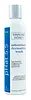 Key Ingredients
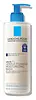
Benefits
Concerns
Ingredients Side-by-side






Water
Skin ConditioningGlycerin
Humectant


Sodium Laureth Sulfate
Cleansing



Coco-Betaine
Cleansing
Polysorbate 20
Emulsifying

PEG-200 Glyceryl Stearate
Surfactant
PEG-7 Glyceryl Cocoate
Emulsifying
Niacinamide
Smoothing









Mannose
HumectantSodium Hydroxide
BufferingTrisodium Ethylenediamine Disuccinate
ChelatingVitreoscilla Ferment
Skin Conditioning
Butyrospermum Parkii Butter
Skin Conditioning

Glycol Distearate
Emollient
Acrylates Copolymer
Citric Acid
Buffering
Cocamide Mea
Emulsifying
PEG-55 Propylene Glycol Oleate
Surfactant
Pentylene Glycol
Skin Conditioning
Polyquaternium-11
Propylene Glycol
Humectant
Sodium Chloride
MaskingSodium Benzoate
Masking
Water, Glycerin, Sodium Laureth Sulfate, Coco-Betaine, Polysorbate 20, PEG-200 Glyceryl Stearate, PEG-7 Glyceryl Cocoate, Niacinamide, Mannose, Sodium Hydroxide, Trisodium Ethylenediamine Disuccinate, Vitreoscilla Ferment, Butyrospermum Parkii Butter, Glycol Distearate, Acrylates Copolymer, Citric Acid, Cocamide Mea, PEG-55 Propylene Glycol Oleate, Pentylene Glycol, Polyquaternium-11, Propylene Glycol, Sodium Chloride, Sodium Benzoate
Reviews
Ingredients Explained
These ingredients are found in both products.
Ingredients higher up in an ingredient list are typically present in a larger amount.
Glycerin (or glycerol) is a compound naturally found in your skin. It's a powerhouse humectant that pulls water into the stratum corneum.
Topically, glycerin does several things at once:
Your skin makes glycerin on its own (mostly from sebaceous oil breakdown) and shuttles it to your outermost layer of skin, or your epidermis, via aquaporin-3.
Aquaporin-3 is a transporter that is essential for normal skin hydration, elasticity, and repair. Interestingly, mice lacking in AQP3 have dry and less elastic skin that can be fully corrected with glycerin.
This ingredient is non-irritating, plays well with almost every ingredient, and works across all skin types. Typical use is anywhere between 3-10% but can go up to 79% in some leave-on products.
Just know very high concentrations (>40%) can feel tacky in low humidity.
Glycerin is the name for this ingredient in American English. British English uses Glycerol/Glycerine.
Learn more about GlycerinSodium Benzoate is a preservative. It's used in both cosmetic and food products to inhibit the growth of mold and bacteria. It is typically produced synthetically.
Both the US FDA and EU Health Committee have approved the use of sodium benzoate. In the US, levels of 0.1% (of the total product) are allowed.
Sodium benzoate works as a preservative by inhibiting the growth of bacteria inside of cells. It prevents the cell from fermenting a type of sugar using an enzyme called phosphofructokinase.
It is the salt of benzoic acid. Foods containing sodium benzoate include soda, salad dressings, condiments, fruit juices, wines, and snack foods.
Studies for using ascorbic acid and sodium benzoate in cosmetics are lacking, especially in skincare routines with multiple steps.
We always recommend speaking with a professional, such as a dermatologist, if you have any concerns.
Learn more about Sodium Benzoate

