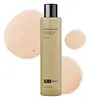
This hydrating toner is formulated around Pyrus Malus Fruit Extract and Panthenol to hydrate skin and strengthen the skin barrier.
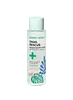
This calming toner is formulated around Snail Secretion Filtrate and Centella Asiatica Extract to calm redness and strengthen the skin barrier.


What's inside
What's inside
 Key Ingredients
Benefits
Concerns
No concerns
Ingredients Side-by-side
Water
Skin ConditioningGlycerin
Humectant


Pyrus Malus Fruit Extract
Skin Conditioning
Phenoxyethanol
Preservative
Polysorbate 20
Emulsifying

Propanediol
Solvent
Citrullus Lanatus Fruit Extract
Skin Conditioning
Lens Esculenta Fruit Extract
Skin ConditioningPanthenol
Skin Conditioning
Oenothera Biennis Root Extract
Skin ConditioningEthylhexylglycerin
Skin ConditioningRosmarinus Officinalis Leaf Oil
Masking
Sodium Lactate
Buffering
Disodium EDTA
Myrothamnus Flabellifolia Leaf/Stem Extract
HumectantSodium PCA
Humectant
Citric Acid
Buffering

Sodium Hydroxide
BufferingSodium Carrageenan
Emulsion StabilisingJania Rubens Extract
Skin Conditioning

Ascorbic Acid
Antioxidant




Water, Glycerin, Pyrus Malus Fruit Extract, Phenoxyethanol, Polysorbate 20, Propanediol, Citrullus Lanatus Fruit Extract, Lens Esculenta Fruit Extract, Panthenol, Oenothera Biennis Root Extract, Ethylhexylglycerin, Rosmarinus Officinalis Leaf Oil, Sodium Lactate, Disodium EDTA, Myrothamnus Flabellifolia Leaf/Stem Extract, Sodium PCA, Citric Acid, Sodium Hydroxide, Sodium Carrageenan, Jania Rubens Extract, Ascorbic Acid



Reviews
Ingredients Explained
These ingredients are found in both products.
Ingredients higher up in an ingredient list are typically present in a larger amount.
Citric Acid is an alpha hydroxy acid (AHA) naturally found in citrus fruits like oranges, lemons, and limes.
Like other AHAs, citric acid can exfoliate skin by breaking down the bonds that hold dead skin cells together. This helps reveal smoother and brighter skin underneath.
However, this exfoliating effect only happens at high concentrations (20%) which can be hard to find in cosmetic products.
Due to this, citric acid is usually included in small amounts as a pH adjuster. This helps keep products slightly more acidic and compatible with skin's natural pH.
In skincare formulas, citric acid can:
While it can provide some skin benefits, research shows lactic acid and glycolic acid are generally more effective and less irritating exfoliants.
Most citric acid used in skincare today is made by fermenting sugars (usually from molasses). This synthetic version is identical to the natural citrus form but easier to stabilize and use in formulations.
Rosacea skin has a lower threshold for acids generally, with 62.5% of rosacea subjects in one study reacting to lactic acid in a sting test. This is why we mark citric acid as a potential rosacea trigger.
However, this ingredient shows up as a pH adjuster or chelator at roughly 0.1-1% in many products. These low levels are unlikely to be an issue for rosacea skin and becomes a potential trigger at exfoliating concentrations (20%). Because everybody's skin is unique, we recommend a patch test if you are unsure.
Learn more about Citric AcidEthylhexylglycerin is created from glycerin. It is a multitasker ingredient that:
The CIR Expert Panel found minimal skin absorption or sensitization of any kind in a safety assessment. Though this ingredient is considered well-tolerated, a small number of cases of allergic dermatitis have been published since 2002. Just be sure to patch test if you are unsure.
Industry-reported use ranges from 8% in rinse-off products and 2% in leave-on formulations.
Learn more about EthylhexylglycerinPropanediol is an all-star ingredient. It softens, hydrates, and smooths the skin.
It’s often used to:
Propanediol is not likely to cause sensitivity and considered safe to use. It is derived from corn or petroleum with a clear color and no scent.
Learn more about Propanediol

