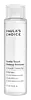
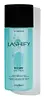
This micellar makeup remover is made to dissolve makeup, sunscreen, and daily buildup.
This micellar makeup remover is made to dissolve makeup, sunscreen, and daily buildup.

What's inside
What's inside
 Key Ingredients
Benefits
Concerns
Ingredients Side-by-side
Water
Skin ConditioningCyclotetrasiloxane
Emollient
Cyclopentasiloxane
Emollient
Isohexadecane
EmollientButylene Glycol
Humectant

Glycerin
Humectant
Aloe Barbadensis Leaf Juice
Skin Conditioning

Bisabolol
Antioxidant
Camellia Oleifera Leaf Extract
AstringentPoloxamer 184
EmulsifyingSodium Dehydroacetate
Preservative
Allantoin
Skin Conditioning
Glycyrrhetinic Acid
Skin Conditioning
Sodium Chloride
MaskingDisodium EDTA
ChelatingMethylparaben
Preservative


Benzalkonium Chloride
Antimicrobial

Benzyl Alcohol
Perfuming



Water, Cyclotetrasiloxane, Cyclopentasiloxane, Isohexadecane, Butylene Glycol, Glycerin, Aloe Barbadensis Leaf Juice, Bisabolol, Camellia Oleifera Leaf Extract, Poloxamer 184, Sodium Dehydroacetate, Allantoin, Glycyrrhetinic Acid, Sodium Chloride, Disodium EDTA, Methylparaben, Benzalkonium Chloride, Benzyl Alcohol
Water
Skin ConditioningCyclopentasiloxane
Emollient
Cyclohexasiloxane
Emollient
Isohexadecane
EmollientButylene Glycol
Humectant
Sodium Citrate
BufferingCitric Acid
Buffering


Benzalkonium Chloride
Antimicrobial
Parfum
Masking
Disodium EDTA
ChelatingPoloxamer 184
EmulsifyingBenzyl Alcohol
Perfuming
Cetrimonium Chloride
Antimicrobial
Dipotassium Glycyrrhizate
Humectant
Oryza Sativa Bran Extract
Skin Conditioning
Phaseolus Radiatus Seed Extract
Skin ConditioningCitrus Aurantium Dulcis Fruit Extract
MaskingCarica Papaya Fruit Extract
Skin ConditioningCI 42090
Cosmetic ColorantWater, Cyclopentasiloxane, Cyclohexasiloxane, Isohexadecane, Butylene Glycol, Sodium Citrate, Citric Acid, Benzalkonium Chloride, Parfum, Disodium EDTA, Poloxamer 184, Benzyl Alcohol, Cetrimonium Chloride, Dipotassium Glycyrrhizate, Oryza Sativa Bran Extract, Phaseolus Radiatus Seed Extract, Citrus Aurantium Dulcis Fruit Extract, Carica Papaya Fruit Extract, CI 42090
Reviews
Ingredients Explained
These ingredients are found in both products.
Ingredients higher up in an ingredient list are typically present in a larger amount.
Benzalkonium Chloride (aka BAC) is a preservative that has been around since the 1930's. It is also a surfactant that gives it mild cleansing and antistatic properties.
BAC works because it carries a positive electrical charge that attract the negative charge of microbe cells (like a magnet). Once BAC sticks to a microbe, it breaks the microbe cell's outer wall and scrambles its proteins to kill it.
The maximum usage percentage for this ingredient is 0.1% in both the EU and Chinese cosmetic regulations.
The CIR Expert Panel has concluded it to be a safe antimicrobial agent in concentrations up to 0.1% and it is permitted up to 3% in rinse off hair products.
BAC can be irritating at higher concentrations but a true allergy to it is pretty rare. Be sure to patch test if you have a damaged skin barrier or just sensitive skin.
Because it's a cation, it is incompatible with anionic surfactants like SLS (they neutralize each other).
Learn more about Benzalkonium ChlorideBenzyl Alcohol is an aromatic alcohol with several roles: it's a preservative, solvent, and mild fragrance component with a floral scent.
This ingredient has been deemed safe for use in cosmetic formulations at concentrations up to 5%, and up to 10% in hair dyes. You'll typically see 0.5-2% in most rinse-off or leave-on products.
As a preservative, it works by disrupting the membrane of microbial proteins. This helps keep bacteria and fungi from growing in your products.
The sensitization picture is actually quite assuring as well:of nearly 71,000 patients patch tested with benzyl alcohol, only 0.21% showed a positive reaction with most of them being weakly positive.
This led researchers to conclude that benzyl alcohol cannot be regarded as a significant contact allergen.
It is worth noting this ingredient is classified as one of the EU's regulated fragrance allergens and restricted to 1% in finished products.
Labels must also declare it in concentrations above 0.001% in leave-on products and 0.01% in rinse-off products.
At concentrations around 5%, localized redness and itching can appear as a direct irritant response and not as a true allergic reaction.
Learn more about Benzyl AlcoholButylene Glycol (or BG) is used within cosmetic products for a few different reasons:
Overall, Butylene Glycol is a safe and well-rounded ingredient that works well with other ingredients.
Though this ingredient works well with most skin types, some people with sensitive skin may experience a reaction such as allergic rashes, closed comedones, or itchiness.
Learn more about Butylene GlycolCyclopentasiloxane (D5) is a lightweight silicone that mostly acts as an emollient and solvent in cosmetics. Its the reason your products feel silky, fast-spreading, and non-greasy.
Since D5 is volatile, it does its thing and then evaporates off the skin quickly.
The safety profile of this ingredient is reassuring; the US CIR Expert Panel concluded D5 is safe as used in cosmetics and Health Canada concluded that D5 is not harmful to human health or the environment as currently used in cosmetics
There's a study that people mention about D5 in a rat study showing tumors. This study is related to long-term inhalation of high D5 levels.
Regulatory bodies have judged this study to be not applicable in topical skincare since skin absorption of D5 is very low and we're not really inhaling huge amounts of D5.
The only restriction for this ingredient is environmental. The European Chemicals Agency (ECHA) restricted D5 in wash-off cosmetics at or above 0.1% due to their persistence in water.
Learn more about CyclopentasiloxaneDisodium EDTA is a chelating agent. It grabs onto and deactivates metal ions that sneak into your products from water, packaging, or air.
This ingredient mainly works behind the scenes and helps with:
On top of that, this ingredient can counteract the effects of hard water by binding to the minerals in it.
One thing worth knowing is that Disodium EDTA has been shown to be a mild penetration enhancer. It can help other ingredients absorb into skin more effectively which can be a double-edged sword (great for actives, but can also make the active too strong if you have sensitive skin).
Clinical patch testing showed no significant skin irritation at typical use concentrations and minimal dermal absorption.
You'll most likely see this ingredient near the end of an ingredient list. It's typically found in concentrations less than 1%.
Learn more about Disodium EDTAIsohexadecane is added to enhance texture, emulsify, and to help cleanse. It is an isoparrafin. It is a component of petrolatum.
Due to its large size, Isohexadecane is not absorbed by the skin. Instead, it sits on top and acts as an emollient. Emollients help keep your skin soft and smooth by trapping moisture within.
Isohexadecane is often used in products designed to help oily skin. It is lightweight and non-greasy while helping to moisturize. When mixed with silicones, it gives a product a silky feel.
Learn more about IsohexadecanePoloxamer 184 is a surfactant and emulsifier made from polyoxyethylene and polyoxypropylene units.
It allows ingredients that don't normally mix (like water and oil) to blend together and stay stable; this makes it easier for cleansers and makeup removers to grab onto dirt, oil, and makeup to be rinsed away more easily.
Water. It's the most common cosmetic ingredient of all. You'll usually see it at the top of ingredient lists, meaning that it makes up the largest part of the product.
So why is it so popular? Water most often acts as a solvent - this means that it helps dissolve other ingredients into the formulation.
You'll also recognize water as that liquid we all need to stay alive. If you see this, drink a glass of water. Remember to stay hydrated!
Learn more about Water

