

What's inside
What's inside
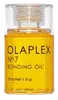 Key Ingredients
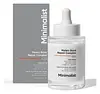
Benefits
Concerns
Ingredients Side-by-side
Dimethicone
Emollient

Isohexadecane
EmollientC13-14 Isoparaffin
Emollient
Coco-Caprylate
Emollient

Phenyl Trimethicone
Skin Conditioning
Bis-Aminopropyl Diglycol Dimaleate
Skin ConditioningPropanediol
Solvent
Zea Mays Oil
Emulsifying





Beta-Carotene
Skin ConditioningHelianthus Annuus Seed Oil
Emollient
Punica Granatum Seed Oil
Emollient
Water
Skin ConditioningMorinda Citrifolia Leaf Powder
Skin ConditioningParfum
Masking

Hexyl Cinnamal
Perfuming
Limonene
Perfuming
Tocopherol
Antioxidant





Citral
Perfuming
Linalool
Perfuming
Citronellol
Perfuming
Pseudozyma Epicola/Camellia Sinensis Seed Oil Ferment Extract Filtrate
Humectant
Dimethicone, Isohexadecane, C13-14 Isoparaffin, Coco-Caprylate, Phenyl Trimethicone, Bis-Aminopropyl Diglycol Dimaleate, Propanediol, Zea Mays Oil, Beta-Carotene, Helianthus Annuus Seed Oil, Punica Granatum Seed Oil, Water, Morinda Citrifolia Leaf Powder, Parfum, Hexyl Cinnamal, Limonene, Tocopherol, Citral, Linalool, Citronellol, Pseudozyma Epicola/Camellia Sinensis Seed Oil Ferment Extract Filtrate
Caprylic/Capric Triglyceride
Masking
Cocos Nucifera Oil
Masking
Isoamyl Laurate
Emollient
Pentylene Glycol
Skin Conditioning
Maleic Acid
Buffering2-Tert-Butylcyclohexanol
Perfuming
Argania Spinosa Kernel Oil
Emollient
Squalane
Emollient
Glycine Soja Hull
Abrasive
Zea Mays Oil
Emulsifying
Cysteine
Antioxidant
Leucine
Skin ConditioningIsoleucine
Skin ConditioningPhenylalanine
Masking
Arginine
Masking
Transglutaminase
Skin ConditioningDaucus Carota Sativa Root Extract
Skin Conditioning
Tocopherol
Antioxidant
Parfum
Masking
BHT
Antioxidant
Caprylic/Capric Triglyceride, Cocos Nucifera Oil, Isoamyl Laurate, Pentylene Glycol, Maleic Acid, 2-Tert-Butylcyclohexanol, Argania Spinosa Kernel Oil, Squalane, Glycine Soja Hull, Zea Mays Oil, Cysteine, Leucine, Isoleucine, Phenylalanine, Arginine, Transglutaminase, Daucus Carota Sativa Root Extract, Tocopherol, Parfum, BHT
Reviews
Ingredients Explained
These ingredients are found in both products.
Ingredients higher up in an ingredient list are typically present in a larger amount.
Parfum is a catch-all term for an ingredient or more that is used to give a scent to products.
Also called "fragrance", this ingredient can be a blend of hundreds of chemicals or plant oils. This means every product with "fragrance" or "parfum" in the ingredients list is a different mixture.
For instance, Habanolide is a proprietary trade name for a specific aroma chemical. When used as a fragrance ingredient in cosmetics, most aroma chemicals fall under the broad labeling category of “FRAGRANCE” or “PARFUM” according to EU and US regulations.
The term 'parfum' or 'fragrance' is not regulated in many countries. In many cases, it is up to the brand to define this term.
For instance, many brands choose to label themselves as "fragrance-free" because they are not using synthetic fragrances. However, their products may still contain ingredients such as essential oils that are considered a fragrance by INCI standards.
One example is Calendula flower extract. Calendula is an essential oil that still imparts a scent or 'fragrance'.
Depending on the blend, the ingredients in the mixture can cause allergies and sensitivities on the skin. Some ingredients that are known EU allergens include linalool and citronellol.
Parfum can also be used to mask or cover an unpleasant scent.
The bottom line is: not all fragrances/parfum/ingredients are created equally. If you are worried about fragrances, we recommend taking a closer look at an ingredient. And of course, we always recommend speaking with a professional.
Learn more about ParfumTocopherol is a fat-soluble antioxidant known as Vitamin E.
You'll find this ingredient in the vast majority of skincare (for good reason). It works to neutralize free radicals, or unstable molecules generated by UV exposure, pollution, and other environmental stressors, before they can cause oxidative damage to your skin cells.
Topically applied tocopherol has been shown to protect against UV damage by ramping up the skin's own natural defense enzymes.
It also acts as a skin conditioning agent; some studies show that regular topical use can improve the skin's water-binding capacity over 2-4 weeks.
This ingredient is especially loved for being a team player. When combined with Vitamin C, the photoprotective effect of both ingredients roughly doubles and the combo also helps reduce UV-induced DNA damage.
This ingredient has some brightening potential but it's more of a prevention ingredient than spot-fader. Cell studies show it can slow down melanin production but it's worth noting that it's not the most powerful brightener out there.
In formulations, it also serves as a stabilizer that helps protect other oxidation-prone ingredients from degrading.
Concentrations usually range from 0.1-1% in most leave-on products.
Learn more about TocopherolYes, this ingredient is corn oil. In skincare, it acts as an emollient, skin conditioner, fragrance ingredient, and emusifier.
Like most plant oils, corn oil is basically a bundle of fatty acids: linoleic (34-62%), oleic (19-49%), palmitic (8-12%) and a bit of stearic.
The ranges of the fatty acids differ so much because it varies batch to batch depending on the cultivar and the growing conditions.
In skincare, it mostly does good plant oil stuff: it softens, sits on the surface to slow water evaporation, and makes formulas feel richer.
Now the honest part. Corn oil isn't studied much in dermatology but we do know it's the go-to vehicle in lab research. So there's decades of research where corn oil was the boring control; it never produced an effect of its own but we also don't have much research on it doing something exciting for your skin.
The one thing worth talking about is linoleic. Acne-prone follicles tend to be low in linoleate and a small study found topical linoleic acid shrank microcomedones by around 25% over a month. That was pure linoleic acid and not corn oil so it should be filed under "promising theory" rather than "proven benefit".
Concentration use can be anywhere from trace amounts to about 14% (the high end shows up in cleansers, moisturizers, body creams, and masks). Corn germ oil, which is basically the same ingredient under a different INCI name, has been reported as high as 25% but most of the time you're looking at low single digits.
Corn oil itself isn't a common allergen. Allergies to actual corn are triggered by corn proteins which is mostly refined out of the oil for cosmetic use. How much of the protein removed depends on the manufacturing process, so it's always better to patch test just in case.
This ingredient does have a comedogenic rating of 0-3, but this doesn't mean a formula with this ingredient will clog pores.
Human testing has proved that any finished product with this ingredient won't automatically make you break out; it really comes down to concentration, formula, and your skin.
The Malassezia yeast can't make its own fatty acids and breaks down oils around it to feed. Lab research shows the yeast grows when fatty acids in the C11-C24 range are available. Since corn oil is almost entirely C16-C18 fatty acids, this ingredient may not be fungal acne safe.
Learn more about Zea Mays Oil

