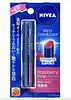
This barrier-repair lip moisturizer is formulated around Persea Gratissima Oil and Simmondsia Chinensis Seed Oil to strengthen the lip barrier and hydrate lips.
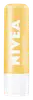
This lip moisturizer is formulated around Butyrospermum Parkii Butter and Honey to hydrate lips.

What's inside
What's inside
 Key Ingredients
Benefits
Concerns
Ingredients Side-by-side
Hydrogenated Polyisobutene
EmollientNeopentyl Glycol Dicaprate
EmollientPentaerythrityl Tetraisostearate
Emollient

Diisostearyl Malate
EmollientDiphenylsiloxy Phenyl Trimethicone
Skin Conditioning
Polyethylene
Abrasive

Dipentaerythrityl Hexahydroxystearate
EmulsifyingStearic Acid
Cleansing

Ethylhexyl Methoxycinnamate
UV Absorber


Phytosteryl/Octyldodecyl Lauroyl Glutamate
Skin ConditioningPersea Gratissima Oil
Skin Conditioning

Simmondsia Chinensis Seed Oil
Emollient

Macadamia Integrifolia Seed Oil
Skin Conditioning
Tocopherol
Antioxidant





Polyglyceryl-2 Triisostearate
Emulsifying
Microcrystalline Wax
Emulsion StabilisingButyl Methoxydibenzoylmethane
UV Absorber
Mica
Cosmetic ColorantIron Oxides
Titanium Dioxide
Cosmetic Colorant
Aluminum Hydroxide
EmollientBarium Sulfate
Cosmetic ColorantCI 19140
Cosmetic ColorantCI 15850
Cosmetic ColorantCI 73360
Cosmetic ColorantHydrogenated Polyisobutene, Neopentyl Glycol Dicaprate, Pentaerythrityl Tetraisostearate, Diisostearyl Malate, Diphenylsiloxy Phenyl Trimethicone, Polyethylene, Dipentaerythrityl Hexahydroxystearate, Stearic Acid, Ethylhexyl Methoxycinnamate, Phytosteryl/Octyldodecyl Lauroyl Glutamate, Persea Gratissima Oil, Simmondsia Chinensis Seed Oil, Macadamia Integrifolia Seed Oil, Tocopherol, Polyglyceryl-2 Triisostearate, Microcrystalline Wax, Butyl Methoxydibenzoylmethane, Mica, Iron Oxides, Titanium Dioxide, Aluminum Hydroxide, Barium Sulfate, CI 19140, CI 15850, CI 73360
Octyldodecanol
Emollient
Cocoglycerides
Emollient
Butyrospermum Parkii Butter
Skin Conditioning
Euphorbia Cerifera Wax
Helianthus Annuus Seed Oil
Emollient
Beeswax
Emulsion Stabilising
Copernicia Cerifera Wax
Caprylic/Capric Triglyceride
Masking
Dicaprylyl Ether
Emollient
Olea Europaea Fruit Oil
Masking
Cetyl Ricinoleate
Emollient
Myristyl Myristate
Emollient
Ricinus Communis Seed Oil
Masking
Nonfat Dry Milk
Skin ConditioningHoney
Humectant
Parfum
Masking
Maltodextrin
Absorbent
Tricalcium Phosphate
Abrasive
BHT
Antioxidant
Iron Oxides
Octyldodecanol, Cocoglycerides, Butyrospermum Parkii Butter, Euphorbia Cerifera Wax, Helianthus Annuus Seed Oil, Beeswax, Copernicia Cerifera Wax, Caprylic/Capric Triglyceride, Dicaprylyl Ether, Olea Europaea Fruit Oil, Cetyl Ricinoleate, Myristyl Myristate, Ricinus Communis Seed Oil, Nonfat Dry Milk, Honey, Parfum, Maltodextrin, Tricalcium Phosphate, BHT, Iron Oxides
Reviews
Ingredients Explained
These ingredients are found in both products.
Ingredients higher up in an ingredient list are typically present in a larger amount.
This ingredient is a combination of red, black, and yellow iron oxide pigments. This combination of colors is usually found in foundation, because it results in a "skin" color.
The EU typically uses CI numbers for colorants when applicable, such as CI 77489. In the US, iron oxides are regulated as color additives and "iron oxides" is the most commonly used name in US cosmetic practice.
A 2021 paper looked at skincare formulations containing iron oxides and found that they reduced transmission of blue light when measured optically. In simple terms, the pigment particles helped block or scatter part of the visible light spectrum in lab testing and the authors suggest this could translate into better protection against blue-light-related skin effects.
There is also clinical and experimental research showing that tinted products containing iron oxides can reduce visible light-induced pigmentation:
Please note, whether a product reduces visible or blue light depends on things like:
In the EU's CosIng database, iron oxides are only listed as a colorant. CosIng groups ingredients by their main cosmetic role, such as colorant, preservative, or UV filter.
Though studies say iron oxides can "attenuate blue light", they're describing an optical property and not an officially recognized cosmetic function.
So CosIng isn’t contradicting the research. It’s just classifying iron oxides by what they officially are: pigments that add color.
Learn more about Iron Oxides

