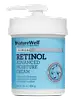
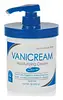
This moisturizer is formulated around Petrolatum to hydrate skin.

What's inside
What's inside
 Key Ingredients
Benefits
Concerns
Ingredients Side-by-side
Water
Skin ConditioningCocos Nucifera Oil
Masking








Caprylic/Capric Triglyceride
Masking
Octyldodecyl Myristate
EmollientDimethicone
Emollient

Glycerin
Humectant
PEG-8 Beeswax
Emulsifying
Retinol
Skin Conditioning








Macadamia Ternifolia Seed Oil
Emollient
Vitis Vinifera Seed Oil
Emollient
Allantoin
Skin Conditioning
Ascorbic Acid
Antioxidant

Retinyl Palmitate
Skin Conditioning
Tocopheryl Acetate
Antioxidant
Glyceryl Stearate
Emollient
Cetyl Alcohol
Emollient
Ceteth-20
CleansingSteareth-20
CleansingPolymethyl Methacrylate
Acrylates/Acrylamide Copolymer
MoisturisingPolysorbate 85
Emulsifying
Tricaprylin
Perfuming
Paraffinum Liquidum
Emollient
BHT
Antioxidant
Phenoxyethanol
Preservative
Parfum
Masking
Water, Cocos Nucifera Oil, Caprylic/Capric Triglyceride, Octyldodecyl Myristate, Dimethicone, Glycerin, PEG-8 Beeswax, Retinol, Macadamia Ternifolia Seed Oil, Vitis Vinifera Seed Oil, Allantoin, Ascorbic Acid, Retinyl Palmitate, Tocopheryl Acetate, Glyceryl Stearate, Cetyl Alcohol, Ceteth-20, Steareth-20, Polymethyl Methacrylate, Acrylates/Acrylamide Copolymer, Polysorbate 85, Tricaprylin, Paraffinum Liquidum, BHT, Phenoxyethanol, Parfum
Reviews
Ingredients Explained
These ingredients are found in both products.
Ingredients higher up in an ingredient list are typically present in a larger amount.
BHT is a synthetic antioxidant and preservative.
As an antioxidant, it helps your body fight off free-radicals. Free-radicals are molecules that may damage your skin cells.
As a preservative, it is used to stabilize products and prevent them from degrading. Specifically, BHT prevents degradation from oxidation.
The concerns related to BHT come from oral studies; this ingredient is currently allowed for use by both the FDA and EU.
However, it was recently restricted for use in the UK as of April 2024.
Learn more about BHTGlyceryl Stearate is made by reacting glycerin with stearic acid (typically sourced from plant oils like palm or coconut). It's an emulsifier, emollient, and mild occlusive.
Emulsifiers help ingredients like oil and water stay mixed so your formula stays nicely blended and uniform in texture.
This ingredient is typically used in concentrations between 1-10%. Studies have found it to be non-sensitizing, non-phototoxic, and non-photoallergenic.
A close cousin of this ingredient is Glyceryl Stearate SE ("self-emulsifying"). This just has a small amount of sodium or potassium stearate added so it can emulsify without a co-emulsifier.
Since this ingredient is an ester of a C18 fatty acid, it may not be fungal acne safe. The Malassezia yeast can potentially metabolize within the C11-C24 range.
Fun fact: The human body also creates Glyceryl Stearate naturally.
Learn more about Glyceryl StearateWater. It's the most common cosmetic ingredient of all. You'll usually see it at the top of ingredient lists, meaning that it makes up the largest part of the product.
So why is it so popular? Water most often acts as a solvent - this means that it helps dissolve other ingredients into the formulation.
You'll also recognize water as that liquid we all need to stay alive. If you see this, drink a glass of water. Remember to stay hydrated!
Learn more about Water

