

What's inside
What's inside
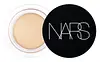 Key Ingredients
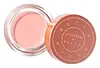
Benefits
Concerns
Ingredients Side-by-side
Dimethicone
Emollient

Water
Skin ConditioningGlycerin
Humectant

Nylon-12


Butylene Glycol
Humectant
Paraffin
Perfuming
Dimethicone/Vinyl Dimethicone Crosspolymer
Skin Conditioning
Dicaprylyl Carbonate
EmollientPEG-10 Dimethicone
Skin Conditioning
Sorbitan Sesquiisostearate
Emulsifying
PEG-400
Emulsion StabilisingSilica
Abrasive

Aluminum Hydroxide
EmollientPolysilicone-2
Cera Microcristallina
Emulsion StabilisingCI 77120
Cosmetic ColorantDistearyldimonium Chloride
Palmitic Acid
Emollient
Hydrogen Dimethicone
Palmitoyl Tripeptide-5
Skin Conditioning


Tocopheryl Acetate
Antioxidant


Ascorbic Acid
Antioxidant

Retinyl Palmitate
Skin Conditioning
Alumina
Abrasive
Sodium Acetylated Hyaluronate
Humectant
Tocopherol
Antioxidant
Phenoxyethanol
Preservative
CI 77163
Cosmetic Colorant

Iron Oxides
Mica
Cosmetic ColorantCI 77891
Cosmetic ColorantDimethicone, Water, Glycerin, Nylon-12, Butylene Glycol, Paraffin, Dimethicone/Vinyl Dimethicone Crosspolymer, Dicaprylyl Carbonate, PEG-10 Dimethicone, Sorbitan Sesquiisostearate, PEG-400, Silica, Aluminum Hydroxide, Polysilicone-2, Cera Microcristallina, CI 77120, Distearyldimonium Chloride, Palmitic Acid, Hydrogen Dimethicone, Palmitoyl Tripeptide-5, Tocopheryl Acetate, Ascorbic Acid, Retinyl Palmitate, Alumina, Sodium Acetylated Hyaluronate, Tocopherol, Phenoxyethanol, CI 77163, Iron Oxides, Mica, CI 77891
Ricinus Communis Seed Oil
Masking
Polybutene
Rhus Verniciflua Peel Wax
Kaolin
Abrasive
C12-15 Alkyl Benzoate
AntimicrobialCI 77120
Cosmetic ColorantHelianthus Annuus Seed Oil
Emollient
Squalane
Emollient
Hydrogenated Polycyclopentadiene
Trihydroxystearin
Skin Conditioning
Sodium Lauroyl Aspartate
CleansingAluminum Hydroxide
EmollientSorbitan Sesquioleate
Emulsifying
Isopropyl Titanium Triisostearate
Emollient
Zinc Chloride
AntimicrobialCaprylyl Glycol
Emollient
Hexylene Glycol
EmulsifyingTocopherol
Antioxidant
Ascorbyl Palmitate
Antioxidant
Tocopheryl Acetate
Antioxidant
Tetrahexyldecyl Ascorbate
Antioxidant
Phenoxyethanol
Preservative
Mica
Cosmetic ColorantCI 77891
Cosmetic ColorantCI 77491
Cosmetic ColorantCI 77492
Cosmetic ColorantCI 77499
Cosmetic ColorantCI 77000
Cosmetic ColorantCI 77400
Cosmetic ColorantCI 77163
Cosmetic Colorant
CI 77288
Cosmetic ColorantCI 77289
Cosmetic ColorantCI 77510
Cosmetic ColorantCI 77742
Cosmetic ColorantCI 77007
Cosmetic ColorantCI 42090
Cosmetic ColorantCI 19140
Cosmetic ColorantRicinus Communis Seed Oil, Polybutene, Rhus Verniciflua Peel Wax, Kaolin, C12-15 Alkyl Benzoate, CI 77120, Helianthus Annuus Seed Oil, Squalane, Hydrogenated Polycyclopentadiene, Trihydroxystearin, Sodium Lauroyl Aspartate, Aluminum Hydroxide, Sorbitan Sesquioleate, Isopropyl Titanium Triisostearate, Zinc Chloride, Caprylyl Glycol, Hexylene Glycol, Tocopherol, Ascorbyl Palmitate, Tocopheryl Acetate, Tetrahexyldecyl Ascorbate, Phenoxyethanol, Mica, CI 77891, CI 77491, CI 77492, CI 77499, CI 77000, CI 77400, CI 77163, CI 77288, CI 77289, CI 77510, CI 77742, CI 77007, CI 42090, CI 19140
Reviews
Ingredients Explained
These ingredients are found in both products.
Ingredients higher up in an ingredient list are typically present in a larger amount.
Aluminum Hydroxide is a form of aluminum. It can be naturally found in nature as the mineral gibbsite. In cosmetics, Aluminum Hydroxide is used as a colorant, pH adjuster, and absorbent.
As a colorant, Aluminum Hydroxide may add opacity, or reduce the transparency. Aluminum hydroxide is contains both basic and acidic properties.
According to manufacturers, this ingredient is an emollient and humectant. This means it helps hydrate the skin.
In medicine, this ingredient is used to help relieve heartburn and help heal ulcers.
There is currently no credible scientific evidence linking aluminum hydroxide in cosmetics to increased cancer risk.
Major health organizations allow the use of aluminum hydroxide in personal care products and have not flagged it as a carcinogenic risk at typical usage levels.
Learn more about Aluminum HydroxideWe don't have a description for CI 77120 yet.
This synthetic powder is used to add a pearly/white color in cosmetics.
Ci 77891 is a white pigment from Titanium dioxide. It is naturally found in minerals such as rutile and ilmenite.
It's main function is to add a white color to cosmetics. It can also be mixed with other colors to create different shades.
Ci 77891 is commonly found in sunscreens due to its ability to block UV rays.
Learn more about CI 77891Mica is a naturally occurring mineral used to add shimmer and color in cosmetics. It can also help improve the texture of a product or give it an opaque, white/silver color.
Serecite is the name for very fine but ragged grains of mica.
This ingredient is often coated with metal oxides like titanium dioxide. Trace amounts of heavy metals may be found in mica, but these metals are not harmful in our personal products.
Mica has been used since prehistoric times throughout the world. Ancient Egyptian, Indian, Greek, Roman, Aztec, and Chinese civilizations have used mica.
Learn more about MicaPhenoxyethanol is a preservative that has germicide, antimicrobial, and aromatic properties. Studies show that phenoxyethanol can prevent microbial growth. By itself, it has a scent that is similar to that of a rose.
It's often used in formulations along with Caprylyl Glycol to preserve the shelf life of products.
Tocopherol is a fat-soluble antioxidant known as Vitamin E.
You'll find this ingredient in the vast majority of skincare (for good reason). It works to neutralize free radicals, or unstable molecules generated by UV exposure, pollution, and other environmental stressors, before they can cause oxidative damage to your skin cells.
Topically applied tocopherol has been shown to protect against UV damage by ramping up the skin's own natural defense enzymes.
It also acts as a skin conditioning agent; some studies show that regular topical use can improve the skin's water-binding capacity over 2-4 weeks.
This ingredient is especially loved for being a team player. When combined with Vitamin C, the photoprotective effect of both ingredients roughly doubles and the combo also helps reduce UV-induced DNA damage.
This ingredient has some brightening potential but it's more of a prevention ingredient than spot-fader. Cell studies show it can slow down melanin production but it's worth noting that it's not the most powerful brightener out there.
In formulations, it also serves as a stabilizer that helps protect other oxidation-prone ingredients from degrading.
Concentrations usually range from 0.1-1% in most leave-on products.
Learn more about TocopherolTocopheryl Acetate is AKA Vitamin E. It is an antioxidant and protects your skin from free radicals. Free radicals damage the skin by breaking down collagen.
One study found using Tocopheryl Acetate with Vitamin C decreased the number of sunburned cells.
Tocopheryl Acetate is commonly found in both skincare and dietary supplements.
Learn more about Tocopheryl Acetate
