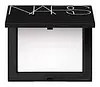
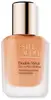
NARS Cosmetics Light Reflecting Pressed Setting Powder Versus Estée Lauder Double Wear Stay-In-Place Makeup SPF 10


What's inside
What's inside
 Key Ingredients
Benefits
Ingredients Side-by-side
Synthetic Fluorphlogopite
Silica
Abrasive


Cetearyl Ethylhexanoate
Emollient
Glycerin
Humectant


Squalane
Emollient
Octyldodecyl Stearoyl Stearate
Emollient
Polysorbate 80
Emulsifying
Caprylyl Glycol
Emollient
Ethylhexylglycerin
Skin ConditioningChondrus Crispus Extract
Skin Conditioning
Xanthan Gum
Emulsifying1,2-Hexanediol
Skin Conditioning
Pentaerythrityl Tetra-Di-T-Butyl Hydroxyhydrocinnamate
Antioxidant
Maris Aqua
HumectantAscophyllum Nodosum Extract
Skin ConditioningMagnesium Silicate
AbsorbentTocopheryl Acetate
Antioxidant

Phenoxyethanol
Preservative
Potassium Sorbate
Preservative
Tin Oxide
Abrasive
Mica
Cosmetic ColorantCI 77891
Cosmetic ColorantCI 77491
Cosmetic ColorantCI 77492
Cosmetic ColorantCI 77499
Cosmetic ColorantSynthetic Fluorphlogopite, Silica, Cetearyl Ethylhexanoate, Glycerin, Squalane, Octyldodecyl Stearoyl Stearate, Polysorbate 80, Caprylyl Glycol, Ethylhexylglycerin, Chondrus Crispus Extract, Xanthan Gum, 1,2-Hexanediol, Pentaerythrityl Tetra-Di-T-Butyl Hydroxyhydrocinnamate, Maris Aqua, Ascophyllum Nodosum Extract, Magnesium Silicate, Tocopheryl Acetate, Phenoxyethanol, Potassium Sorbate, Tin Oxide, Mica, CI 77891, CI 77491, CI 77492, CI 77499
Water
Skin ConditioningMethyl Trimethicone
Skin Conditioning
Dimethicone
Emollient
Trimethylsiloxysilicate
Emollient
Niacinamide
Smoothing




PEG-10 Dimethicone
Skin Conditioning
Glycerin
Humectant
PEG-9 Polydimethylsiloxyethyl Dimethicone
Emulsifying
Sodium Chloride
MaskingTitanium Dioxide
Cosmetic Colorant

Silica
Abrasive
Sodium Hyaluronate
Humectant
Laminaria Saccharina Extract
Skin ProtectingLactobacillus Ferment
Skin Conditioning
Butylene Glycol
Humectant
Triethyl Citrate
Masking
Alumina
Abrasive
Disteardimonium Hectorite
StabilisingDimethicone/PEG-10/15 Crosspolymer
Triethoxycaprylylsilane
Tocopheryl Acetate
Antioxidant
Resveratrol
Antioxidant
Sodium Citrate
BufferingPhenoxyethanol
Preservative
Chlorphenesin
Antimicrobial
Sorbic Acid
Preservative
Potassium Sorbate
Preservative
Mica
Cosmetic ColorantCI 77891
Cosmetic ColorantCI 77491
Cosmetic ColorantCI 77492
Cosmetic ColorantCI 77499
Cosmetic ColorantWater, Methyl Trimethicone, Dimethicone, Trimethylsiloxysilicate, Niacinamide, PEG-10 Dimethicone, Glycerin, PEG-9 Polydimethylsiloxyethyl Dimethicone, Sodium Chloride, Titanium Dioxide, Silica, Sodium Hyaluronate, Laminaria Saccharina Extract, Lactobacillus Ferment, Butylene Glycol, Triethyl Citrate, Alumina, Disteardimonium Hectorite, Dimethicone/PEG-10/15 Crosspolymer, Triethoxycaprylylsilane, Tocopheryl Acetate, Resveratrol, Sodium Citrate, Phenoxyethanol, Chlorphenesin, Sorbic Acid, Potassium Sorbate, Mica, CI 77891, CI 77491, CI 77492, CI 77499
Reviews
Ingredients Explained
These ingredients are found in both products.
Ingredients higher up in an ingredient list are typically present in a larger amount.
Ci 77491 is also hydrated iron III oxide. It's sole purpose is to give a red/pink hue to products.
Iron III oxides are classified as inorganic chemicals for coloring.
Synthetically created Ci 77491 is considered safer than those naturally found. This is because the synthetically created version may contain less impurities. Iron oxides are generally non-toxic and non-allergenic.
Learn more about CI 77491CI 77492 is also hydrated iron III oxide. It's sole purpose is to give a yellow hue to products.
Iron III oxides are classified as inorganic chemicals for coloring.
Synthetically created CI 77492 is considered safer than those naturally found. This is because the synthetically created version may contain less impurities. Iron oxides are generally non-toxic and non-allergenic.
Learn more about CI 77492Ci 77499 is also hydrated iron III oxide. It is created from mixing red and black iron oxides. This helps give shades of darkness to a product.
Iron III oxides are classified as inorganic chemicals for coloring.
Ci 77891 is a white pigment from Titanium dioxide. It is naturally found in minerals such as rutile and ilmenite.
It's main function is to add a white color to cosmetics. It can also be mixed with other colors to create different shades.
Ci 77891 is commonly found in sunscreens due to its ability to block UV rays.
Learn more about CI 77891Glycerin (or glycerol) is a compound naturally found in your skin. It's a powerhouse humectant that pulls water into the stratum corneum.
Topically, glycerin does several things at once:
Your skin makes glycerin on its own (mostly from sebaceous oil breakdown) and shuttles it to your outermost layer of skin, or your epidermis, via aquaporin-3.
Aquaporin-3 is a transporter that is essential for normal skin hydration, elasticity, and repair. Interestingly, mice lacking in AQP3 have dry and less elastic skin that can be fully corrected with glycerin.
This ingredient is non-irritating, plays well with almost every ingredient, and works across all skin types. Typical use is anywhere between 3-10% but can go up to 79% in some leave-on products.
Just know very high concentrations (>40%) can feel tacky in low humidity.
Glycerin is the name for this ingredient in American English. British English uses Glycerol/Glycerine.
Learn more about GlycerinMica is a naturally occurring mineral used to add shimmer and color in cosmetics. It can also help improve the texture of a product or give it an opaque, white/silver color.
Serecite is the name for very fine but ragged grains of mica.
This ingredient is often coated with metal oxides like titanium dioxide. Trace amounts of heavy metals may be found in mica, but these metals are not harmful in our personal products.
Mica has been used since prehistoric times throughout the world. Ancient Egyptian, Indian, Greek, Roman, Aztec, and Chinese civilizations have used mica.
Learn more about MicaPhenoxyethanol is a preservative that has germicide, antimicrobial, and aromatic properties. Studies show that phenoxyethanol can prevent microbial growth. By itself, it has a scent that is similar to that of a rose.
It's often used in formulations along with Caprylyl Glycol to preserve the shelf life of products.
Potassium Sorbate is a preservative used to prevent yeast and mold in products. It is commonly found in both cosmetic and food products.
This ingredient comes from potassium salt derived from sorbic acid. Sorbic acid is a natural antibiotic and effective against fungus.
Both potassium sorbate and sorbic acid can be found in baked goods, cheeses, dried meats, dried fruit, ice cream, pickles, wine, yogurt, and more.
You'll often find this ingredient used with other preservatives.
Learn more about Potassium SorbateSilica, also known as silicon dioxide, is a naturally occurring mineral. It is used as a fine, spherical, and porous powder in cosmetics.
Though it has exfoliant properties, the function of silica varies depending on the product.
The unique structure of silica enhances the spreadability and adds smoothness, making it a great texture enhancer.
It is also used as an active carrier, emulsifier, and mattifier due to its ability to absorb excess oil.
In some products, tiny microneedles called spicules are made from silica or hydrolyzed sponge. When you rub them in, they lightly polish away dead skin layers and enhance the penetration of active ingredients.
Learn more about SilicaTocopheryl Acetate is AKA Vitamin E. It is an antioxidant and protects your skin from free radicals. Free radicals damage the skin by breaking down collagen.
One study found using Tocopheryl Acetate with Vitamin C decreased the number of sunburned cells.
Tocopheryl Acetate is commonly found in both skincare and dietary supplements.
Learn more about Tocopheryl Acetate
