
What's inside
What's inside
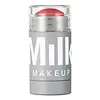 Key Ingredients
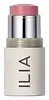
Benefits
Concerns
Ingredients Side-by-side
Ricinus Communis Seed Oil
Masking




Persea Gratissima Oil
Skin Conditioning

Ethylhexyl Palmitate
Emollient
Helianthus Annuus Seed Wax
Skin Conditioning
Euphorbia Cerifera Cera
Astringent
C12-15 Alkyl Benzoate
AntimicrobialIsononyl Isononanoate
EmollientSilica
Abrasive


Parfum
Masking

Citrus Aurantium Dulcis Peel Wax
Skin ConditioningMangifera Indica Seed Butter
Skin Conditioning
Prunus Armeniaca Kernel Oil
Masking
Tocopheryl Acetate
Antioxidant


Isopropyl Myristate
Emollient
Hydrogenated Vegetable Oil
Emollient
Stearalkonium Hectorite
Gel FormingPropylene Carbonate
SolventSorbitan Tristearate
EmulsifyingPolyhydroxystearic Acid
Emulsifying
Bis-Stearyl Dimethicone
Emollient
Isopropyl Titanium Triisostearate
Emollient
Mica
Cosmetic ColorantPalmitic Acid
Emollient
Limonene
Perfuming
Linalool
Perfuming
CI 77891
Cosmetic ColorantCI 77491
Cosmetic ColorantCI 15850
Cosmetic ColorantRicinus Communis Seed Oil, Persea Gratissima Oil, Ethylhexyl Palmitate, Helianthus Annuus Seed Wax, Euphorbia Cerifera Cera, C12-15 Alkyl Benzoate, Isononyl Isononanoate, Silica, Parfum, Citrus Aurantium Dulcis Peel Wax, Mangifera Indica Seed Butter, Prunus Armeniaca Kernel Oil, Tocopheryl Acetate, Isopropyl Myristate, Hydrogenated Vegetable Oil, Stearalkonium Hectorite, Propylene Carbonate, Sorbitan Tristearate, Polyhydroxystearic Acid, Bis-Stearyl Dimethicone, Isopropyl Titanium Triisostearate, Mica, Palmitic Acid, Limonene, Linalool, CI 77891, CI 77491, CI 15850
Helianthus Annuus Seed Oil
Emollient
Ricinus Communis Seed Oil
Masking
Theobroma Cacao Seed Butter
Emollient
Cera Alba
Emollient
Euphorbia Cerifera Cera
Astringent
Butyrospermum Parkii Butter
Skin Conditioning
Citrus Aurantium Dulcis Peel Cera
EmollientSesamum Indicum Seed Oil
Emollient
Zea Mays Starch
Absorbent
Citric Acid
Buffering
Persea Gratissima Oil
Skin Conditioning
Tocopherol
Antioxidant


CI 77492
Cosmetic ColorantCI 77491
Cosmetic ColorantCI 77499
Cosmetic ColorantMica
Cosmetic ColorantCI 45410
Cosmetic ColorantCI 15850
Cosmetic ColorantCI 77891
Cosmetic ColorantCI 19140
Cosmetic ColorantHelianthus Annuus Seed Oil, Ricinus Communis Seed Oil, Theobroma Cacao Seed Butter, Cera Alba, Euphorbia Cerifera Cera, Butyrospermum Parkii Butter, Citrus Aurantium Dulcis Peel Cera, Sesamum Indicum Seed Oil, Zea Mays Starch, Citric Acid, Persea Gratissima Oil, Tocopherol, CI 77492, CI 77491, CI 77499, Mica, CI 45410, CI 15850, CI 77891, CI 19140
Reviews
Ingredients Explained
These ingredients are found in both products.
Ingredients higher up in an ingredient list are typically present in a larger amount.
Ci 15850 is the pigment color red. It is an azo dye and created synthetically.
Azo dyes need to be thoroughly purified before use. This allows them to be more stable and longer-lasting.
This ingredient is common in foundations, lipsticks, and blushes. This color is described as brown/orangey red.
It has many secondary names such as Red 6 and Red 7. According to a manufacturer, Red 6 usually contains aluminum.
Learn more about CI 15850Ci 77491 is also hydrated iron III oxide. It's sole purpose is to give a red/pink hue to products.
Iron III oxides are classified as inorganic chemicals for coloring.
Synthetically created Ci 77491 is considered safer than those naturally found. This is because the synthetically created version may contain less impurities. Iron oxides are generally non-toxic and non-allergenic.
Learn more about CI 77491Ci 77891 is a white pigment from Titanium dioxide. It is naturally found in minerals such as rutile and ilmenite.
It's main function is to add a white color to cosmetics. It can also be mixed with other colors to create different shades.
Ci 77891 is commonly found in sunscreens due to its ability to block UV rays.
Learn more about CI 77891Euphorbia Cerifera Cera (aka candelilla wax) is a vegan stand-in for beeswax. It is a plant-derived wax that functions as an astringent, emulsion stabilizer, film-former, and skin conditioner.
On skin, it forms a protective barrier that helps lock in moisture while it enhances product stability, prevents separation, and helps color last longer in makeup.
This ingredient is generally safe for use in cosmetics with one nuance: some grades of candelilla wax can naturally contain benzyl alcohol at concentrations high enough to require declaration under EU labeling rules. This isn't a concern for most people but relevant for those with fragrance sensitivities.
Candelilla wax contains fatty acids (mainly C31) and wax esters that can be used by the Malassezia yeast, so this ingredient may not be fungal acne safe.
You might see Euphorbia Cerifera "Wax" instead of "cera". This is because some brands, databases, or labels use it interchangeably; they're the same ingredient.
Learn more about Euphorbia Cerifera CeraMica is a naturally occurring mineral used to add shimmer and color in cosmetics. It can also help improve the texture of a product or give it an opaque, white/silver color.
Serecite is the name for very fine but ragged grains of mica.
This ingredient is often coated with metal oxides like titanium dioxide. Trace amounts of heavy metals may be found in mica, but these metals are not harmful in our personal products.
Mica has been used since prehistoric times throughout the world. Ancient Egyptian, Indian, Greek, Roman, Aztec, and Chinese civilizations have used mica.
Learn more about MicaThis ingredient is also known as Avocado oil. It's the cold-pressed oil from the flesh of the avocado fruit packed with fatty acids (mostly oleic acid).
The rich fatty acid profile allows it to function as a skin conditioning agent and emollient; it helps soften and smooth skin while reducing water loss.
Preclinical research has found that topical avocado oil increased collagen synthesis and reduced inflammation during wound healing, giving it some skin-repairing credibility.
The unsaponifiable fraction of the oil is also interesting: studies on avocado unsaponifiables showed that it helped skin produce more collagen and other structural compounds that support healing.
The CIR Expert Panel has found this ingredient to be non-irritating in formulations.
It's a great ingredient for dry or compromised skin. Just know it may not be fungal acne safe. This is because the oleic acid content falls within the range that Malassezia can use as a food source.
Learn more about Persea Gratissima OilThis ingredient is also known as castor oil. It is a skin conditioning ingredient.
The star component of castor oil is ricinoleic acid, an unusual fatty acid that makes up ~80-92% of its composition.
In skincare, it is an emollient that dries down to a solid film with water-binding properties. This helps keep skin hydrated and helps reduce transepidermal water loss (TEWL).
A 2026 dermatology review pulls together its broader uses:
Human clinical testing found this ingredient to be non-irritating and non-sensitizing.
Because castor oil contains fatty acids in the C11-24 range, this ingredient may not be fungal acne safe.
At this time, the literature does not support castor oil in regrowing hair. A 2022 systematic review found no strong evidence that it supports hair growth and only weak evidence that it improves hair shine.
Castor oil itself carries "perfuming" and "masking" function tags according to the official CosIng database. This is because of its mild odor and odor-dampening properties.
Learn more about Ricinus Communis Seed Oil

