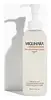
This mild gel cleanser is mild enough to cleanse without leaving skin feeling tight or stripped.
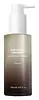
This oil-based makeup remover is made to dissolve makeup, sunscreen, and daily buildup.

What's inside
What's inside
 Key Ingredients
Benefits
Concerns
Ingredients Side-by-side
Water
Skin ConditioningGlycerin
Humectant


Coco-Betaine
Cleansing
Acrylates Copolymer
1,2-Hexanediol
Skin Conditioning
Butylene Glycol
Humectant
Camellia Sinensis Leaf Extract
Antimicrobial






Canola Oil
Emollient





Vitis Vinifera Seed Oil
Emollient
Prunus Armeniaca Kernel Oil
Masking
Carica Papaya Fruit Extract
Skin ConditioningMelaleuca Alternifolia Leaf Oil
Antioxidant



Ethylhexylglycerin
Skin ConditioningGluconolactone
Skin Conditioning

Macadamia Integrifolia Seed Oil
Skin Conditioning
Papain
Skin Conditioning
Argania Spinosa Kernel Oil
Emollient
Water, Glycerin, Coco-Betaine, Acrylates Copolymer, 1,2-Hexanediol, Butylene Glycol, Camellia Sinensis Leaf Extract, Canola Oil, Vitis Vinifera Seed Oil, Prunus Armeniaca Kernel Oil, Carica Papaya Fruit Extract, Melaleuca Alternifolia Leaf Oil, Ethylhexylglycerin, Gluconolactone, Macadamia Integrifolia Seed Oil, Papain, Argania Spinosa Kernel Oil

Reviews
Ingredients Explained
These ingredients are found in both products.
Ingredients higher up in an ingredient list are typically present in a larger amount.
Ethylhexylglycerin is created from glycerin. It is a multitasker ingredient that:
The CIR Expert Panel found minimal skin absorption or sensitization of any kind in a safety assessment. Though this ingredient is considered well-tolerated, a small number of cases of allergic dermatitis have been published since 2002. Just be sure to patch test if you are unsure.
Industry-reported use ranges from 8% in rinse-off products and 2% in leave-on formulations.
Learn more about EthylhexylglycerinThis ingredient is also known as Macadamia Seed Oil. It's an emollient with a fatty acid profile that closely mirrors the skin's own lipid makeup.
The palmitoleic acid content is especially notable as it's somewhat rare in plant oils. Palmitoleic acid is something your skin already makes naturally. It helps keep cell membranes structured and plays a role in fighting off harmful microbes.
This palmitoleic content is also part of why macademia seed oil absorbs quickly and doesn't leave much of a greasy residue.
It also contains oleic acid, linoleic acid, and phytosterols that can help reduce redness.
In vitro research has shown the oil to have meaningful antioxidant activity, protect fats in the skin from oxidative damage, and slow down the enzyme that breaks down hyaluronic acid.
A 2024 clinical study found it effective at improving skin hydratino and reducing wrinkle appearance when formulated into nanoemulsions.
Because it carries oleic acid (C18) and palmitic acid (C16), this ingredient may not be fungal acne safe. This is because the Malassezia yeast metabolizes in the C11-24 chain length range.
You'll also see this ingredient listed as: Macadamia Ternifolia Seed Oil.
This is the same ingredient; M. ternifolia is an older INCI naming convention for the edible macadamia nut, while M. integrifolia is the species actually cultivated for oil production. Both names refer to the same oil.
Learn more about Macadamia Integrifolia Seed Oil

