
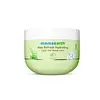
This barrier-repair moisturizer is formulated around Niacinamide and Aloe Barbadensis Leaf Extract to strengthen the skin barrier and hydrate skin.
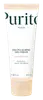
This calming moisturizer is formulated around Avena Sativa Seed Water and Dipotassium Glycyrrhizate to calm redness and hydrate skin.


What's inside
What's inside
 Key Ingredients
Benefits
Concerns
No concerns
Ingredients Side-by-side
Aloe Barbadensis Leaf Water
MaskingGlycerin
Humectant


Butylene Glycol
Humectant
Propanediol
Solvent
Dicaprylyl Carbonate
EmollientNiacinamide
Smoothing









Ammonium Acryloyldimethyltaurate/Vp Copolymer
Ethyl Olivate
Emollient

Aloe Barbadensis Leaf Extract
Emollient
Isohexadecane
EmollientErythritol
Humectant
Sodium Hyaluronate Crosspolymer
Humectant
Sodium Hyaluronate
Humectant
Sodium Acetylated Hyaluronate
Humectant
Hydrolyzed Sodium Hyaluronate
Skin Conditioning
Pentylene Glycol
Skin Conditioning
Xylitylglucoside
Humectant
Anhydroxylitol
Humectant
Xylitol
Humectant
Ethylhexylglycerin
Skin ConditioningPhenoxyethanol
Preservative
Ammonium Acryloyldimethyltaurate/Beheneth-25 Methacrylate Crosspolymer
Emulsion StabilisingSodium PCA
Humectant
Triheptanoin
Skin ConditioningTocopheryl Acetate
Antioxidant

Linoleamidopropyl Pg-Dimonium Chloride Phosphate
Parfum
Masking



Sodium Gluconate
ChelatingAloe Barbadensis Leaf Water, Glycerin, Butylene Glycol, Propanediol, Dicaprylyl Carbonate, Niacinamide, Ammonium Acryloyldimethyltaurate/Vp Copolymer, Ethyl Olivate, Aloe Barbadensis Leaf Extract, Isohexadecane, Erythritol, Sodium Hyaluronate Crosspolymer, Sodium Hyaluronate, Sodium Acetylated Hyaluronate, Hydrolyzed Sodium Hyaluronate, Pentylene Glycol, Xylitylglucoside, Anhydroxylitol, Xylitol, Ethylhexylglycerin, Phenoxyethanol, Ammonium Acryloyldimethyltaurate/Beheneth-25 Methacrylate Crosspolymer, Sodium PCA, Triheptanoin, Tocopheryl Acetate, Linoleamidopropyl Pg-Dimonium Chloride Phosphate, Parfum, Sodium Gluconate
Avena Sativa Seed Water 77%
Solvent
Butylene Glycol
Humectant
Glycerin
Humectant
2,3-Butanediol
Humectant1,2-Hexanediol
Skin Conditioning
Water
Skin ConditioningAmmonium Acryloyldimethyltaurate/Vp Copolymer
Squalane
Emollient
Hydroxyacetophenone
Antioxidant
Carbomer
Emulsion StabilisingDipotassium Glycyrrhizate
Humectant
Panthenol
Skin Conditioning
Tromethamine
BufferingEthylhexylglycerin
Skin ConditioningInulin Lauryl Carbamate
Emulsion StabilisingSodium Surfactin
CleansingBeta-Glucan
Skin Conditioning
Avena Sativa Seed Water 77%, Butylene Glycol, Glycerin, 2,3-Butanediol, 1,2-Hexanediol, Water, Ammonium Acryloyldimethyltaurate/Vp Copolymer, Squalane, Hydroxyacetophenone, Carbomer, Dipotassium Glycyrrhizate, Panthenol, Tromethamine, Ethylhexylglycerin, Inulin Lauryl Carbamate, Sodium Surfactin, Beta-Glucan
Reviews
Ingredients Explained
These ingredients are found in both products.
Ingredients higher up in an ingredient list are typically present in a larger amount.
Ammonium Acryloyldimethyltaurate/Vp Copolymer is a synthetically created polymer. It's used as a film-forming agent and used to thicken the consistency of products.
Think of it as a supportive ingredient that helps your gel-creams feel silky, "cloud cream-like", and spread evenly without being greasy.
The Cosmetic Ingredient Review (CIR) Expert Panel evaluated it (along with 22 other acryloyldimethyltaurate polymers) and concluded it's:
Due to its large molecular size, it sits on the surface of skin rather than penetrating it.
Learn more about Ammonium Acryloyldimethyltaurate/Vp CopolymerButylene Glycol (or BG) is used within cosmetic products for a few different reasons:
Overall, Butylene Glycol is a safe and well-rounded ingredient that works well with other ingredients.
Though this ingredient works well with most skin types, some people with sensitive skin may experience a reaction such as allergic rashes, closed comedones, or itchiness.
Learn more about Butylene GlycolEthylhexylglycerin is created from glycerin. It is a multitasker ingredient that:
The CIR Expert Panel found minimal skin absorption or sensitization of any kind in a safety assessment. Though this ingredient is considered well-tolerated, a small number of cases of allergic dermatitis have been published since 2002. Just be sure to patch test if you are unsure.
Industry-reported use ranges from 8% in rinse-off products and 2% in leave-on formulations.
Learn more about EthylhexylglycerinGlycerin (or glycerol) is a compound naturally found in your skin. It's a powerhouse humectant that pulls water into the stratum corneum.
Topically, glycerin does several things at once:
Your skin makes glycerin on its own (mostly from sebaceous oil breakdown) and shuttles it to your outermost layer of skin, or your epidermis, via aquaporin-3.
Aquaporin-3 is a transporter that is essential for normal skin hydration, elasticity, and repair. Interestingly, mice lacking in AQP3 have dry and less elastic skin that can be fully corrected with glycerin.
This ingredient is non-irritating, plays well with almost every ingredient, and works across all skin types. Typical use is anywhere between 3-10% but can go up to 79% in some leave-on products.
Just know very high concentrations (>40%) can feel tacky in low humidity.
Glycerin is the name for this ingredient in American English. British English uses Glycerol/Glycerine.
Learn more about Glycerin

