
What's inside
What's inside
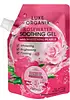 Key Ingredients
Benefits
Concerns
Ingredients Side-by-side
Water
Skin ConditioningRosa Centifolia Flower Water
Skin ConditioningNiacinamide
Smoothing











Propanediol
Solvent
Glycerin
Humectant
Butylene Glycol
Humectant
Galactomyces Ferment Filtrate
Humectant

Pearl Extract
Antioxidant
Sodium Hyaluronate
Humectant
PEG-60 Hydrogenated Castor Oil
Emulsifying
Allantoin
Skin Conditioning
1,2-Hexanediol
Skin Conditioning
Hydroxyacetophenone
Antioxidant
Pentylene Glycol
Skin Conditioning
Caprylyl Glycol
Emollient
Mannitol
Humectant
Microcrystalline Cellulose
AbsorbentSucrose
Humectant
Zea Mays Starch
Absorbent
CI 73360
Cosmetic ColorantHydroxypropyl Methylcellulose
Emulsion StabilisingEthylhexylglycerin
Skin ConditioningCarbomer
Emulsion StabilisingArginine
Masking
Disodium EDTA
ChelatingParfum
Masking



Water, Rosa Centifolia Flower Water, Niacinamide, Propanediol, Glycerin, Butylene Glycol, Galactomyces Ferment Filtrate, Pearl Extract, Sodium Hyaluronate, PEG-60 Hydrogenated Castor Oil, Allantoin, 1,2-Hexanediol, Hydroxyacetophenone, Pentylene Glycol, Caprylyl Glycol, Mannitol, Microcrystalline Cellulose, Sucrose, Zea Mays Starch, CI 73360, Hydroxypropyl Methylcellulose, Ethylhexylglycerin, Carbomer, Arginine, Disodium EDTA, Parfum








Reviews
Ingredients Explained
These ingredients are found in both products.
Ingredients higher up in an ingredient list are typically present in a larger amount.
Allantoin is a soothing ingredient known for its protective and moisturizing properties; it's basically a quiet workhorse ingredient you can find in a huge range of cosmetics.
Though it can be derived from the comfrey plant, allantoin is produced synthetically for cosmetic products to ensure purity.
Research shows it can encourage your skin cells to turn over and renew by stimulating keratinocyte and fibroblast proliferation.
It also has mild keratolytic properties to help loosen and shed dead skin cells without being harsh.
Studies also suggest allantoin can help calm inflammation by dialing down some of the chemical signals your skin sends out when it is irritated.
This ingredient is typically used in the 0.1-0.5% range, and the FDA recognizes it as a skin protectant in OTC products up to 2%.
Overall, allantoin is a wonderful addition to most routines; it is stable across a wide pH range (~4-8), works well with other ingredients, and is considered non-sensitizing/non-irritating.
Fun fact: Allantoin is naturally occurring in comfrey root, beets, chamomile, and wheat sprouts. Our bodies even produce it as a byproduct of uric acid metabolism.
Learn more about Allantoin

