

What's inside
What's inside
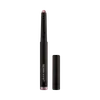 Key Ingredients
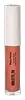
Benefits
Concerns
Ingredients Side-by-side
Dimethicone
Emollient

Mica
Cosmetic ColorantTrimethylsiloxysilicate
Emollient
Silica
Abrasive


Synthetic Wax
Abrasive
Polyethylene
Abrasive
Stearoxymethicone/Dimethicone Copolymer
Emollient
Stearyl Dimethicone
Emollient
Dicalcium Phosphate
Abrasive
Caprylyl Methicone
Skin Conditioning
Calcium Sodium Borosilicate
Octadecene
SolventCopernicia Cerifera Wax


Polysilicone-11
Disteardimonium Hectorite
StabilisingCaprylic/Capric Triglyceride
Masking


Pentaerythrityl Tetra-Di-T-Butyl Hydroxyhydrocinnamate
Antioxidant
Propylene Carbonate
SolventPolyhydroxystearic Acid
Emulsifying
Brassica Campestris Seed Oil
Skin Conditioning
Ricinus Communis Seed Oil
Masking
Sodium Hyaluronate
Humectant


Hydrogenated Castor Oil
Emollient
Polygonum Tinctorium Leaf Extract
Skin ConditioningRubus Idaeus Leaf Extract
Skin ConditioningBHT
Antioxidant
CI 77891
Cosmetic ColorantCI 77491
Cosmetic ColorantCI 77492
Cosmetic ColorantCI 77499
Cosmetic ColorantCI 42090
Cosmetic ColorantDimethicone, Mica, Trimethylsiloxysilicate, Silica, Synthetic Wax, Polyethylene, Stearoxymethicone/Dimethicone Copolymer, Stearyl Dimethicone, Dicalcium Phosphate, Caprylyl Methicone, Calcium Sodium Borosilicate, Octadecene, Copernicia Cerifera Wax, Polysilicone-11, Disteardimonium Hectorite, Caprylic/Capric Triglyceride, Pentaerythrityl Tetra-Di-T-Butyl Hydroxyhydrocinnamate, Propylene Carbonate, Polyhydroxystearic Acid, Brassica Campestris Seed Oil, Ricinus Communis Seed Oil, Sodium Hyaluronate, Hydrogenated Castor Oil, Polygonum Tinctorium Leaf Extract, Rubus Idaeus Leaf Extract, BHT, CI 77891, CI 77491, CI 77492, CI 77499, CI 42090
Isododecane
EmollientDisteardimonium Hectorite
StabilisingPolymethylsilsesquioxane
Acrylates Copolymer
Caprylic/Capric Triglyceride
Masking
Poly(Glycol Adipate)/Bis-Hydroxyethoxypropyl Dimethicone Copolymer
Skin Conditioning
Trimethylsiloxysilicate
Emollient
Silica
Abrasive
Ethylene Brassylate
MaskingLecithin
Emollient
Propylene Carbonate
SolventPolybutene
Tocopheryl Acetate
Antioxidant

Tocopherol
Antioxidant
Ascorbyl Palmitate
Antioxidant
Vp/Eicosene Copolymer
Vp/Hexadecene Copolymer
Mica
Cosmetic ColorantTin Oxide
Abrasive
CI 77891
Cosmetic ColorantCI 77491
Cosmetic ColorantCI 77492
Cosmetic ColorantCI 77499
Cosmetic ColorantCI 19140
Cosmetic ColorantIsododecane, Disteardimonium Hectorite, Polymethylsilsesquioxane, Acrylates Copolymer, Caprylic/Capric Triglyceride, Poly(Glycol Adipate)/Bis-Hydroxyethoxypropyl Dimethicone Copolymer, Trimethylsiloxysilicate, Silica, Ethylene Brassylate, Lecithin, Propylene Carbonate, Polybutene, Tocopheryl Acetate, Tocopherol, Ascorbyl Palmitate, Vp/Eicosene Copolymer, Vp/Hexadecene Copolymer, Mica, Tin Oxide, CI 77891, CI 77491, CI 77492, CI 77499, CI 19140
Reviews
Ingredients Explained
These ingredients are found in both products.
Ingredients higher up in an ingredient list are typically present in a larger amount.
Caprylic/Capric Triglyceride (aka MCT Oil) is a lightweight emollient, solvent, and texture enhancer. It is considered a skin-softener by helping to prevent moisture loss.
Though it behaves like an oil, it is not technically one due to its chemical composition. One perk of this ingredient is that it is very stable, resistant to oxidation, and unlikely to go rancid.
In practice, that translates to a long shelf life and a consistently elegant skin feel.
While there is an assumption Caprylic Triglyceride can clog pores due to it being derived from coconut oil, there is no research supporting this. Just patch test if you have concerns.
Fractionated coconut oil and MCT Oil are both listed as Caprylic/Capric Triglyceride according to INCI. This is because INCI names are based on the ingredient’s final chemical composition and not its marketing name or source.
This ingredient is treated as the gold standard fungal acne safe oil. Even though it is coconut derived, the problematic lauric acid is stripped out.
This leaves just caprylic (C8) and capric (C10) acid. These chain lengths actually trend antifungal; a 2020 study found caprylic acid was enough to disrupt Malassezia furfur cell membrane, with a caprylic acid derivative damaging membrane structures at concentrations as low as 0.2%.
Learn more about Caprylic/Capric TriglycerideCi 77491 is also hydrated iron III oxide. It's sole purpose is to give a red/pink hue to products.
Iron III oxides are classified as inorganic chemicals for coloring.
Synthetically created Ci 77491 is considered safer than those naturally found. This is because the synthetically created version may contain less impurities. Iron oxides are generally non-toxic and non-allergenic.
Learn more about CI 77491CI 77492 is also hydrated iron III oxide. It's sole purpose is to give a yellow hue to products.
Iron III oxides are classified as inorganic chemicals for coloring.
Synthetically created CI 77492 is considered safer than those naturally found. This is because the synthetically created version may contain less impurities. Iron oxides are generally non-toxic and non-allergenic.
Learn more about CI 77492Ci 77499 is also hydrated iron III oxide. It is created from mixing red and black iron oxides. This helps give shades of darkness to a product.
Iron III oxides are classified as inorganic chemicals for coloring.
Ci 77891 is a white pigment from Titanium dioxide. It is naturally found in minerals such as rutile and ilmenite.
It's main function is to add a white color to cosmetics. It can also be mixed with other colors to create different shades.
Ci 77891 is commonly found in sunscreens due to its ability to block UV rays.
Learn more about CI 77891Disteardimonium Hectorite comes from the clay mineral named hectorite. It is used to add thickness to a product.
It can also help stabilize a product by helping to disperse other ingredients.
Hectorite is a rare, white clay mineral.
Learn more about Disteardimonium HectoriteMica is a naturally occurring mineral used to add shimmer and color in cosmetics. It can also help improve the texture of a product or give it an opaque, white/silver color.
Serecite is the name for very fine but ragged grains of mica.
This ingredient is often coated with metal oxides like titanium dioxide. Trace amounts of heavy metals may be found in mica, but these metals are not harmful in our personal products.
Mica has been used since prehistoric times throughout the world. Ancient Egyptian, Indian, Greek, Roman, Aztec, and Chinese civilizations have used mica.
Learn more about MicaThis ingredient is a solvent. It helps dissolve active ingredients and alter the texture of products.
Propylene Carbonate is commonly used in makeup and with clay, such as montmorillonite or bentonite.
Studies show this ingredient to be safe for cosmetics. When it is undiluted, it can cause skin irritation. (It is always diluted in skincare and makeup). This ingredient is water-soluble.
Propylene Carbonate is created from propylene glycol and carbonic acid.
Learn more about Propylene CarbonateSilica, also known as silicon dioxide, is a naturally occurring mineral. It is used as a fine, spherical, and porous powder in cosmetics.
Though it has exfoliant properties, the function of silica varies depending on the product.
The unique structure of silica enhances the spreadability and adds smoothness, making it a great texture enhancer.
It is also used as an active carrier, emulsifier, and mattifier due to its ability to absorb excess oil.
In some products, tiny microneedles called spicules are made from silica or hydrolyzed sponge. When you rub them in, they lightly polish away dead skin layers and enhance the penetration of active ingredients.
Learn more about SilicaThis silicone is an emollient. Emollients create a thin film on the skin to prevent moisture from escaping.
It is not soluble in water and helps increase water-resistance in products.
According to a manufacturer, it can blend seamlessly with silicone oils, such as Cyclopentasiloxane.
Learn more about Trimethylsiloxysilicate

