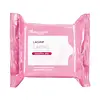
This cleansing wipe is made to dissolve makeup, sunscreen, and daily buildup.
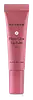
This barrier-repair lip moisturizer is formulated around Butyrospermum Parkii Butter and Squalane to strengthen the lip barrier and hydrate lips.


What's inside
What's inside
 Key Ingredients
No key ingredients
Benefits
Concerns
Ingredients Side-by-side




Phytosteryl/Isostearyl/Cetyl/Stearyl/Behenyl Dimer Dilinoleate
Skin Conditioning

Diisostearyl Malate
EmollientHydrogenated Polyisobutene
EmollientPolybutene
Polyglyceryl-2 Diisostearate
Emulsifying
Butyrospermum Parkii Butter
Skin Conditioning




Microcrystalline Wax
Emulsion StabilisingAroma


Synthetic Wax
Abrasive
Mica
Cosmetic ColorantRicinus Communis Seed Oil
Masking
Squalane
Emollient
Theobroma Grandiflorum Seed Butter
Skin Conditioning
Isopropyl Titanium Triisostearate
Emollient
Tocopherol
Antioxidant




Citric Acid
Buffering
Titanium Dioxide
Cosmetic Colorant

Iron Oxides
CI 15850
Cosmetic ColorantBlue 1 Lake
Cosmetic ColorantCI 19140
Cosmetic ColorantPhytosteryl/Isostearyl/Cetyl/Stearyl/Behenyl Dimer Dilinoleate, Diisostearyl Malate, Hydrogenated Polyisobutene, Polybutene, Polyglyceryl-2 Diisostearate, Butyrospermum Parkii Butter, Microcrystalline Wax, Aroma, Synthetic Wax, Mica, Ricinus Communis Seed Oil, Squalane, Theobroma Grandiflorum Seed Butter, Isopropyl Titanium Triisostearate, Tocopherol, Citric Acid, Titanium Dioxide, Iron Oxides, CI 15850, Blue 1 Lake, CI 19140
Reviews
Ingredients Explained
These ingredients are found in both products.
Ingredients higher up in an ingredient list are typically present in a larger amount.
Citric Acid is an alpha hydroxy acid (AHA) naturally found in citrus fruits like oranges, lemons, and limes.
Like other AHAs, citric acid can exfoliate skin by breaking down the bonds that hold dead skin cells together. This helps reveal smoother and brighter skin underneath.
However, this exfoliating effect only happens at high concentrations (20%) which can be hard to find in cosmetic products.
Due to this, citric acid is usually included in small amounts as a pH adjuster. This helps keep products slightly more acidic and compatible with skin's natural pH.
In skincare formulas, citric acid can:
While it can provide some skin benefits, research shows lactic acid and glycolic acid are generally more effective and less irritating exfoliants.
Most citric acid used in skincare today is made by fermenting sugars (usually from molasses). This synthetic version is identical to the natural citrus form but easier to stabilize and use in formulations.
Rosacea skin has a lower threshold for acids generally, with 62.5% of rosacea subjects in one study reacting to lactic acid in a sting test. This is why we mark citric acid as a potential rosacea trigger.
However, this ingredient shows up as a pH adjuster or chelator at roughly 0.1-1% in many products. These low levels are unlikely to be an issue for rosacea skin and becomes a potential trigger at exfoliating concentrations (20%). Because everybody's skin is unique, we recommend a patch test if you are unsure.
Learn more about Citric Acid

