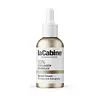
This anti-aging serum is formulated around Squalane and Nicotiana Benthamiana Hexapeptide-40 Sh-Polypeptide-47 to soften the look of wrinkles and hydrate skin.
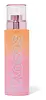
This barrier-repair serum is formulated around Lactobacillus Ferment to strengthen the skin barrier.


What's inside
What's inside
 Key Ingredients
Benefits
Concerns
Ingredients Side-by-side
Water
Skin ConditioningPropanediol
Solvent

Oryza Sativa Starch
AbsorbentGlycerin
Humectant
Algae Extract
Emollient

Dimethicone
Emollient
1,2-Hexanediol
Skin Conditioning
Butyrospermum Parkii Butter
Skin Conditioning


Squalane
Emollient
Hydrolyzed Collagen
Emollient
Caprylic/Capric Triglyceride
Masking
Caprylyl Glycol
Emollient
Pentylene Glycol
Skin Conditioning
Sodium Gluconate
ChelatingDimethicone/Vinyl Dimethicone Crosspolymer
Skin Conditioning
Nicotiana Benthamiana Hexapeptide-40 Sh-Polypeptide-47

Glyceryl Oleate Citrate
Emulsifying
Sodium Polyacryloyldimethyl Taurate
Emulsion StabilisingPotassium Sorbate
Preservative
Parfum
Masking


Phenethyl Alcohol
MaskingWater, Propanediol, Oryza Sativa Starch, Glycerin, Algae Extract, Dimethicone, 1,2-Hexanediol, Butyrospermum Parkii Butter, Squalane, Hydrolyzed Collagen, Caprylic/Capric Triglyceride, Caprylyl Glycol, Pentylene Glycol, Sodium Gluconate, Dimethicone/Vinyl Dimethicone Crosspolymer, Nicotiana Benthamiana Hexapeptide-40 Sh-Polypeptide-47, Glyceryl Oleate Citrate, Sodium Polyacryloyldimethyl Taurate, Potassium Sorbate, Parfum, Phenethyl Alcohol
Water
Skin ConditioningPropanediol
Solvent
Pentylene Glycol
Skin Conditioning
Glycerin
Humectant
Phenethyl Alcohol
MaskingHydrolyzed Rice Protein
Skin ConditioningHydrolyzed Vegetable Protein
Skin ConditioningPolyglyceryl-6 Caprylate
EmulsifyingPolyglyceryl-3 Cocoate
Emulsifying
Polyglyceryl-4 Caprate
EmulsifyingPolyglyceryl-6 Ricinoleate
Emulsifying
Sodium Gluconate
ChelatingErythritol
Humectant
Hydrolyzed Pea Protein
EmollientCaprylic/Capric Triglyceride
Masking
Maltodextrin
Absorbent
Acacia Seyal Gum Extract
HumectantLactobacillus Ferment
Skin Conditioning
Artemisia Capillaris Flower Extract
Skin ConditioningHibiscus Sabdariffa Fruit Extract
Hibiscus Sabdariffa Flower Extract
Skin ConditioningGlycine
Buffering
Proline
Skin Conditioning
Hydrolyzed Sodium Hyaluronate
Skin Conditioning
Sodium Hyaluronate
Humectant
Palmitoyl Tripeptide-37
Skin Conditioning
Potassium Sorbate
Preservative
Citric Acid
Buffering

Benzyl Alcohol
Perfuming

Sodium Benzoate
Masking
Water, Propanediol, Pentylene Glycol, Glycerin, Phenethyl Alcohol, Hydrolyzed Rice Protein, Hydrolyzed Vegetable Protein, Polyglyceryl-6 Caprylate, Polyglyceryl-3 Cocoate, Polyglyceryl-4 Caprate, Polyglyceryl-6 Ricinoleate, Sodium Gluconate, Erythritol, Hydrolyzed Pea Protein, Caprylic/Capric Triglyceride, Maltodextrin, Acacia Seyal Gum Extract, Lactobacillus Ferment, Artemisia Capillaris Flower Extract, Hibiscus Sabdariffa Fruit Extract, Hibiscus Sabdariffa Flower Extract, Glycine, Proline, Hydrolyzed Sodium Hyaluronate, Sodium Hyaluronate, Palmitoyl Tripeptide-37, Potassium Sorbate, Citric Acid, Benzyl Alcohol, Sodium Benzoate
Ingredients Explained
These ingredients are found in both products.
Ingredients higher up in an ingredient list are typically present in a larger amount.
Caprylic/Capric Triglyceride (aka MCT Oil) is a lightweight emollient, solvent, and texture enhancer. It is considered a skin-softener by helping to prevent moisture loss.
Though it behaves like an oil, it is not technically one due to its chemical composition. One perk of this ingredient is that it is very stable, resistant to oxidation, and unlikely to go rancid.
In practice, that translates to a long shelf life and a consistently elegant skin feel.
While there is an assumption Caprylic Triglyceride can clog pores due to it being derived from coconut oil, there is no research supporting this. Just patch test if you have concerns.
Fractionated coconut oil and MCT Oil are both listed as Caprylic/Capric Triglyceride according to INCI. This is because INCI names are based on the ingredient’s final chemical composition and not its marketing name or source.
This ingredient is treated as the gold standard fungal acne safe oil. Even though it is coconut derived, the problematic lauric acid is stripped out.
This leaves just caprylic (C8) and capric (C10) acid. These chain lengths actually trend antifungal; a 2020 study found caprylic acid was enough to disrupt Malassezia furfur cell membrane, with a caprylic acid derivative damaging membrane structures at concentrations as low as 0.2%.
Learn more about Caprylic/Capric TriglycerideGlycerin (or glycerol) is a compound naturally found in your skin. It's a powerhouse humectant that pulls water into the stratum corneum.
Topically, glycerin does several things at once:
Your skin makes glycerin on its own (mostly from sebaceous oil breakdown) and shuttles it to your outermost layer of skin, or your epidermis, via aquaporin-3.
Aquaporin-3 is a transporter that is essential for normal skin hydration, elasticity, and repair. Interestingly, mice lacking in AQP3 have dry and less elastic skin that can be fully corrected with glycerin.
This ingredient is non-irritating, plays well with almost every ingredient, and works across all skin types. Typical use is anywhere between 3-10% but can go up to 79% in some leave-on products.
Just know very high concentrations (>40%) can feel tacky in low humidity.
Glycerin is the name for this ingredient in American English. British English uses Glycerol/Glycerine.
Learn more about GlycerinPentylene Glycol (1,2-pentanediol) is a multitasking little diol with three main roles in a formula:
Research on alkanediols (the family pentylene glycol belongs to) show they work by disrupting microbial cell membranes. This disruption helps the primary preservative system in a product work more effectively at lower doses.
On the safety side, the Cosmetic Ingredient Review Expert Panel has concluded this ingredient to be safe as used in current cosmetic practices + concentrations.
Typical use levels in a formula run about 1-5%.
Learn more about Pentylene GlycolPhenethyl Alcohol is a colorless and aromatic alohol. It is naturally occuring in essential oils.
The scent of this ingredient is floral and often compared to rose.
Like other alcohols, this ingredient helps prevent the growth of bacteria. However, its main purpose is to impact a fragrance.
Learn more about Phenethyl AlcoholPotassium Sorbate is a preservative used to prevent yeast and mold in products. It is commonly found in both cosmetic and food products.
This ingredient comes from potassium salt derived from sorbic acid. Sorbic acid is a natural antibiotic and effective against fungus.
Both potassium sorbate and sorbic acid can be found in baked goods, cheeses, dried meats, dried fruit, ice cream, pickles, wine, yogurt, and more.
You'll often find this ingredient used with other preservatives.
Learn more about Potassium SorbatePropanediol is an all-star ingredient. It softens, hydrates, and smooths the skin.
It’s often used to:
Propanediol is not likely to cause sensitivity and considered safe to use. It is derived from corn or petroleum with a clear color and no scent.
Learn more about PropanediolSodium Gluconate is the sodium salt of gluconic acid. In skincare, its main job is as a chelator.
Chelators grab onto stray metal ions like iron and copper that sneak in through water, raw materials, or manufacturing equipment. This stops them from triggering reactions that cause oils to go rancid, formulas to change color, and actives like vitamin C to fall apart.
This ingredient is often chosen as a biodegradable, gentler-sounding alternative to EDTA. It also pulls double duty as a mild humectant and pH buffer.
Typical use levels sit around 0.1-1% and supplier documents list up to 10% as an acceptable ceiling. Industry data found this ingredient family is mostly used well below 1% in leave on products.
Allergy risk is very low; animal testing has found it to be non-irritating to skin and eyes, mutagenicity assays came back negative, and there are no published reports of allergic contact dermatitis to it.
Learn more about Sodium GluconateWater. It's the most common cosmetic ingredient of all. You'll usually see it at the top of ingredient lists, meaning that it makes up the largest part of the product.
So why is it so popular? Water most often acts as a solvent - this means that it helps dissolve other ingredients into the formulation.
You'll also recognize water as that liquid we all need to stay alive. If you see this, drink a glass of water. Remember to stay hydrated!
Learn more about Water

