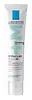
This acne moisturizer is formulated around Niacinamide and Zinc PCA to clear breakouts and balance excess oil.
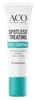
This acne treatment is formulated around Zinc PCA to clear breakouts and balance excess oil.


What's inside
What's inside
 Key Ingredients
Benefits
Concerns
No concerns
Ingredients Side-by-side
Water
Skin ConditioningGlycerin
Humectant


Dimethicone
Emollient
Isocetyl Stearate
Emollient




Niacinamide
Smoothing









Isopropyl Lauroyl Sarcosinate
Skin ConditioningSilica
Abrasive
Ammonium Polyacryloyldimethyl Taurate
Emulsion StabilisingOryza Sativa Starch
AbsorbentPunica Granatum Pericarp Extract
Skin ConditioningPotassium Cetyl Phosphate
EmulsifyingSorbitan Oleate
Emulsifying
Zinc PCA
Humectant
Glyceryl Stearate Se
Emulsifying
Isohexadecane
EmollientSodium Hydroxide
BufferingMyristyl Myristate
Emollient
2-Oleamido-1,3-Octadecanediol
Skin ConditioningMannose
HumectantPoloxamer 338
EmulsifyingPropanediol
Solvent
Hydroxyethoxyphenyl Butanone
Preservative
Capryloyl Salicylic Acid
Exfoliating
Caprylyl Glycol
Emollient
Vitreoscilla Ferment
Skin Conditioning
Citric Acid
Buffering
Trisodium Ethylenediamine Disuccinate
ChelatingMaltodextrin
Absorbent
Xanthan Gum
EmulsifyingPentylene Glycol
Skin Conditioning
Polysorbate 80
Emulsifying
Acrylamide/Sodium Acryloyldimethyltaurate Copolymer
Emulsion StabilisingSalicylic Acid
Masking


Piroctone Olamine
Preservative
Parfum
Masking

Water, Glycerin, Dimethicone, Isocetyl Stearate, Niacinamide, Isopropyl Lauroyl Sarcosinate, Silica, Ammonium Polyacryloyldimethyl Taurate, Oryza Sativa Starch, Punica Granatum Pericarp Extract, Potassium Cetyl Phosphate, Sorbitan Oleate, Zinc PCA, Glyceryl Stearate Se, Isohexadecane, Sodium Hydroxide, Myristyl Myristate, 2-Oleamido-1,3-Octadecanediol, Mannose, Poloxamer 338, Propanediol, Hydroxyethoxyphenyl Butanone, Capryloyl Salicylic Acid, Caprylyl Glycol, Vitreoscilla Ferment, Citric Acid, Trisodium Ethylenediamine Disuccinate, Maltodextrin, Xanthan Gum, Pentylene Glycol, Polysorbate 80, Acrylamide/Sodium Acryloyldimethyltaurate Copolymer, Salicylic Acid, Piroctone Olamine, Parfum
Reviews
Ingredients Explained
These ingredients are found in both products.
Ingredients higher up in an ingredient list are typically present in a larger amount.
Propanediol is an all-star ingredient. It softens, hydrates, and smooths the skin.
It’s often used to:
Propanediol is not likely to cause sensitivity and considered safe to use. It is derived from corn or petroleum with a clear color and no scent.
Learn more about PropanediolSodium Hydroxide is also known as lye or caustic soda. It is used to adjust the pH of products; many ingredients require a specific pH to be effective.
In small amounts, sodium hydroxide is considered safe to use. However, large amounts may cause chemical burns due to its high alkaline.
Your skin has a natural pH and acid mantle. This acid mantle helps prevent harmful bacteria from breaking through. The acid mantle also helps keep your skin hydrated.
"Alkaline" refers to a high pH level. A low pH level would be considered acidic.
Learn more about Sodium HydroxideWater. It's the most common cosmetic ingredient of all. You'll usually see it at the top of ingredient lists, meaning that it makes up the largest part of the product.
So why is it so popular? Water most often acts as a solvent - this means that it helps dissolve other ingredients into the formulation.
You'll also recognize water as that liquid we all need to stay alive. If you see this, drink a glass of water. Remember to stay hydrated!
Learn more about WaterXanthan gum is used as a stabilizer and thickener within cosmetic products. It helps give products a sticky, thick feeling - preventing them from being too runny.
On the technical side of things, xanthan gum is a polysaccharide - a combination consisting of multiple sugar molecules bonded together.
Xanthan gum is a pretty common and great ingredient. It is a natural, non-toxic, non-irritating ingredient that is also commonly used in food products.
Learn more about Xanthan GumZinc PCA is a clever two-in-one molecule: the zinc salt of pyrrolidone carboxylic acid (PCA).
Think of it as two useful things bonded together; the PCA half is one of your skin's own natural moisturizing factors (NMF) so it helps hold water in the upper layers. On the other hand, the zinc half does the heavy lifting on oil and bacteria.
The zinc part slows down an enzyme that turns testosterone into DHT, the hormone that tells your oil glands to pump out more sebum. Less of that signal means less oil. It also gently fights acne-causing bacteria and soothes redness/irritation.
This is why Zinc PCA often shows up in products for oily, breakout-prone skin and greasy scalps.
One lab study also hinted it might have a small anti-aging perk because it seemed to protect collagen from UVA damage and even helped the skin make a bit more of it. That last bit is still early research done in a dish and not real skin, so take it as a nice bonus rather than a promise for now.
As for scar healing, the picture is more "maybe" than a firm yes. Zinc itself plays a real role in wound repair because it is a cofactor for the enzymes involved in collagen building, calming inflammation, and helping new skin cells cover a wound. Lower zinc levels are also linked to slower healing.
Most of the scar healing research is on zinc oxide or oral zinc rather than zinc PCA specifically, with a focus on healing fresh wounds instead of scars that are already there.
Direct evidence that zinc PCA improves the look of established scars is still limited at this time. Though it would be fair to say zinc PCA supports the general skin-repair environment thanks to its zinc content .
This ingredient is water-soluble and plays nicely with other actives like niacinamide and salicylic acid. It works best at mildly acidic formulas (~4-6 pH) and is effective at low levels. Around 0.1% is enough to be active and finished products commonly use it anywhere up to 4%.
Overall, this is a well-tolerated, low-drama multitasker that suits oily and acne-prone skin.
Learn more about Zinc PCA

