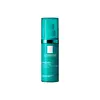
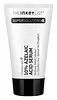
La Roche-Posay Effaclar A.Z. Gel Cream Versus The INKEY List SuperSolutions 10% Azelaic Serum Redness Relief Solution
This acne moisturizer is formulated around Azelaic Acid and Salicylic Acid to clear breakouts and refine skin texture.
This calming serum is formulated around Azelaic Acid to calm redness and clear breakouts.


What's inside
What's inside
 Key Ingredients
Benefits
Concerns
Ingredients Side-by-side
Water
Skin ConditioningAzelaic Acid
Buffering









C15-19 Alkane
SolventGlycerin
Humectant

Triethyl Citrate
Masking

Diglycerin
Humectant
Salicylic Acid
Masking





Panthenol
Skin Conditioning
Silica
Abrasive
Ammonium Polyacryloyldimethyl Taurate
Emulsion StabilisingTaraxacum Officinale Rhizome/Root Extract
Skin ConditioningZinc Gluconate
Skin Conditioning
Glyceryl Stearate
Emollient
PEG-100 Stearate
Surfactant
Sodium Hyaluronate
Humectant

Sodium Hydroxide
BufferingSodium Phosphate
BufferingDisodium Phosphate
BufferingHydroxyethylcellulose
Emulsion StabilisingHydroxypropyl Starch Phosphate
Tetrasodium Glutamate Diacetate
ChelatingCitric Acid
Buffering
Trisodium Ethylenediamine Disuccinate
ChelatingPentylene Glycol
Skin Conditioning
Polysorbate 60
Emulsifying
Parfum
Masking
Water, Azelaic Acid, C15-19 Alkane, Glycerin, Triethyl Citrate, Diglycerin, Salicylic Acid, Panthenol, Silica, Ammonium Polyacryloyldimethyl Taurate, Taraxacum Officinale Rhizome/Root Extract, Zinc Gluconate, Glyceryl Stearate, PEG-100 Stearate, Sodium Hyaluronate, Sodium Hydroxide, Sodium Phosphate, Disodium Phosphate, Hydroxyethylcellulose, Hydroxypropyl Starch Phosphate, Tetrasodium Glutamate Diacetate, Citric Acid, Trisodium Ethylenediamine Disuccinate, Pentylene Glycol, Polysorbate 60, Parfum
Water
Skin ConditioningAzelaic Acid
Buffering
Propanediol
Solvent
Hydroxyethyl Acrylate/Sodium Acryloyldimethyl Taurate Copolymer
Emulsion StabilisingPhenoxyethanol
Preservative
Acacia Senegal Gum
MaskingXanthan Gum
EmulsifyingAllantoin
Skin Conditioning
Glycerin
Humectant
Ethylhexylglycerin
Skin ConditioningPolysorbate 60
Emulsifying
Sorbitan Isostearate
Emulsifying
Maltodextrin
Absorbent
Sodium Hydroxide
BufferingHydrolyzed Gardenia Florida Extract
Antioxidant
Gardenia Florida Fruit Extract
Skin ConditioningPolylysine
Water, Azelaic Acid, Propanediol, Hydroxyethyl Acrylate/Sodium Acryloyldimethyl Taurate Copolymer, Phenoxyethanol, Acacia Senegal Gum, Xanthan Gum, Allantoin, Glycerin, Ethylhexylglycerin, Polysorbate 60, Sorbitan Isostearate, Maltodextrin, Sodium Hydroxide, Hydrolyzed Gardenia Florida Extract, Gardenia Florida Fruit Extract, Polylysine
Reviews
Ingredients Explained
These ingredients are found in both products.
Ingredients higher up in an ingredient list are typically present in a larger amount.
Azelaic acid is a multitasker ingredient that helps treat acne, pigmentation, and irritation. It is a great option for sensitive skin.
What makes it special?
OTC Azelaic acid is usually available in concentrations from 10-15% and anything over requires a prescription.
Here's what each tier does best:
Unlike other acids, azelaic acid will not make your skin more photosensitive/sun sensitive.
Though this ingredient is naturally occurring in grains like wheat, rye, and barley, it is usually synthetically created for cosmetics to ensure stability and effectiveness.
Learn more about Azelaic AcidGlycerin (or glycerol) is a compound naturally found in your skin. It's a powerhouse humectant that pulls water into the stratum corneum.
Topically, glycerin does several things at once:
Your skin makes glycerin on its own (mostly from sebaceous oil breakdown) and shuttles it to your outermost layer of skin, or your epidermis, via aquaporin-3.
Aquaporin-3 is a transporter that is essential for normal skin hydration, elasticity, and repair. Interestingly, mice lacking in AQP3 have dry and less elastic skin that can be fully corrected with glycerin.
This ingredient is non-irritating, plays well with almost every ingredient, and works across all skin types. Typical use is anywhere between 3-10% but can go up to 79% in some leave-on products.
Just know very high concentrations (>40%) can feel tacky in low humidity.
Glycerin is the name for this ingredient in American English. British English uses Glycerol/Glycerine.
Learn more about GlycerinPolysorbate 60 is used to help stabilize products. It is a surfactant and emulsifier. These properties help keep ingredients together in a product. Surfactants help reduce surface tension between ingredients with different states, such as liquids and solids. Emulsifiers help prevent oils and waters from separating.
Polysorbate 60 is sorbitol-based and created from the ethoxylation of sorbitan. Ethoxylation is a chemical reaction used to add ethylene oxide. Sorbitan is a the dehydrated version of sorbitol, a sugar found in fruits.
In this case, the 60 comes from reacting 60 units of ethylene oxide with sorbitan.
Polysorbates are commonly used in medicine and foods.
Learn more about Polysorbate 60Sodium Hydroxide is also known as lye or caustic soda. It is used to adjust the pH of products; many ingredients require a specific pH to be effective.
In small amounts, sodium hydroxide is considered safe to use. However, large amounts may cause chemical burns due to its high alkaline.
Your skin has a natural pH and acid mantle. This acid mantle helps prevent harmful bacteria from breaking through. The acid mantle also helps keep your skin hydrated.
"Alkaline" refers to a high pH level. A low pH level would be considered acidic.
Learn more about Sodium HydroxideWater. It's the most common cosmetic ingredient of all. You'll usually see it at the top of ingredient lists, meaning that it makes up the largest part of the product.
So why is it so popular? Water most often acts as a solvent - this means that it helps dissolve other ingredients into the formulation.
You'll also recognize water as that liquid we all need to stay alive. If you see this, drink a glass of water. Remember to stay hydrated!
Learn more about Water

