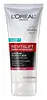
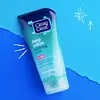
L'Oreal Revitalift Derm Intensives 3.5% Pure Glycolic Acid Cleansing Gel Versus Clean & Clear Oil-Free Deep Action Exfoliating Facial Scrub
This salicylic acid gel cleanser is formulated around Salicylic Acid to clear breakouts and unclog pores.


What's inside
What's inside
 Key Ingredients
Benefits
Concerns
Ingredients Side-by-side
Water
Skin ConditioningCoco-Betaine
Cleansing
Propylene Glycol
Humectant


PEG-120 Methyl Glucose Dioleate
Emulsifying
Sorbitol
Humectant
Glycerin
Humectant
Glycolic Acid
Buffering









Triethanolamine
BufferingSodium Laureth Sulfate
Cleansing

Sodium Chloride
MaskingDisteareth-100 Ipdi
Salicylic Acid
Masking

Capryloyl Salicylic Acid
Exfoliating
Menthol
Masking
Aloe Barbadensis Leaf Juice
Skin Conditioning

Disodium EDTA
ChelatingSteareth-100
Gel FormingCitric Acid
Buffering
Potassium Sorbate
Preservative
Sodium Benzoate
Masking
Water, Coco-Betaine, Propylene Glycol, PEG-120 Methyl Glucose Dioleate, Sorbitol, Glycerin, Glycolic Acid, Triethanolamine, Sodium Laureth Sulfate, Sodium Chloride, Disteareth-100 Ipdi, Salicylic Acid, Capryloyl Salicylic Acid, Menthol, Aloe Barbadensis Leaf Juice, Disodium EDTA, Steareth-100, Citric Acid, Potassium Sorbate, Sodium Benzoate
Water
Skin ConditioningMethyl Gluceth-20
Humectant
Lauryl Glucoside
CleansingPolyethylene
Abrasive
Disodium Lauroamphodiacetate
CleansingSodium Laureth Sulfate
Cleansing
PEG-80 Sorbitan Laurate
Surfactant
Acrylates/C10-30 Alkyl Acrylate Crosspolymer
Emulsion StabilisingDimethicone PEG-8 Meadowfoamate
Emollient
Parfum
Masking

Microcrystalline Wax
Emulsion StabilisingMethylparaben
Preservative

Sodium Hydroxide
BufferingMenthol
Masking
DMDM Hydantoin
Preservative
Panthenol
Skin Conditioning
Disodium EDTA
ChelatingPolyquaternium-7
Citric Acid
Buffering
Sodium Benzotriazolyl Butylphenol Sulfonate
UV AbsorberBlue 1 Lake
Cosmetic ColorantCI 19140
Cosmetic ColorantCI 73360
Cosmetic ColorantTalc
Abrasive
Ultramarines
Water, Methyl Gluceth-20, Lauryl Glucoside, Polyethylene, Disodium Lauroamphodiacetate, Sodium Laureth Sulfate, PEG-80 Sorbitan Laurate, Acrylates/C10-30 Alkyl Acrylate Crosspolymer, Dimethicone PEG-8 Meadowfoamate, Parfum, Microcrystalline Wax, Methylparaben, Sodium Hydroxide, Menthol, DMDM Hydantoin, Panthenol, Disodium EDTA, Polyquaternium-7, Citric Acid, Sodium Benzotriazolyl Butylphenol Sulfonate, Blue 1 Lake, CI 19140, CI 73360, Talc, Ultramarines
Reviews
Ingredients Explained
These ingredients are found in both products.
Ingredients higher up in an ingredient list are typically present in a larger amount.
Citric Acid is an alpha hydroxy acid (AHA) naturally found in citrus fruits like oranges, lemons, and limes.
Like other AHAs, citric acid can exfoliate skin by breaking down the bonds that hold dead skin cells together. This helps reveal smoother and brighter skin underneath.
However, this exfoliating effect only happens at high concentrations (20%) which can be hard to find in cosmetic products.
Due to this, citric acid is usually included in small amounts as a pH adjuster. This helps keep products slightly more acidic and compatible with skin's natural pH.
In skincare formulas, citric acid can:
While it can provide some skin benefits, research shows lactic acid and glycolic acid are generally more effective and less irritating exfoliants.
Most citric acid used in skincare today is made by fermenting sugars (usually from molasses). This synthetic version is identical to the natural citrus form but easier to stabilize and use in formulations.
Rosacea skin has a lower threshold for acids generally, with 62.5% of rosacea subjects in one study reacting to lactic acid in a sting test. This is why we mark citric acid as a potential rosacea trigger.
However, this ingredient shows up as a pH adjuster or chelator at roughly 0.1-1% in many products. These low levels are unlikely to be an issue for rosacea skin and becomes a potential trigger at exfoliating concentrations (20%). Because everybody's skin is unique, we recommend a patch test if you are unsure.
Learn more about Citric AcidDisodium EDTA is a chelating agent. It grabs onto and deactivates metal ions that sneak into your products from water, packaging, or air.
This ingredient mainly works behind the scenes and helps with:
On top of that, this ingredient can counteract the effects of hard water by binding to the minerals in it.
One thing worth knowing is that Disodium EDTA has been shown to be a mild penetration enhancer. It can help other ingredients absorb into skin more effectively which can be a double-edged sword (great for actives, but can also make the active too strong if you have sensitive skin).
Clinical patch testing showed no significant skin irritation at typical use concentrations and minimal dermal absorption.
You'll most likely see this ingredient near the end of an ingredient list. It's typically found in concentrations less than 1%.
Learn more about Disodium EDTAMenthol is a compound found in mint plants, such as peppermint. In its pure form, it is a clear crystalline substance.
Menthol is known for its cooling sensation; however, the cooling is actually from your skin being sensitized. Menthol can worsen rosacea. We recommend speaking with a professional if you have concerns.
Menthol also has antimicrobial properties.
Learn more about MentholSodium Laureth Sulfate (SLES) is a foaming, cleansing, and emulsifying ingredient. It is created from palm kernel oil or coconut oil. SLES is not the same as sodium lauryl sulfate. It is much milder and less likely to irritate.
SLES helps create foam in personal products. It also prevents ingredients from separating, helping to elongate the shelf life.
Sodium Laureth Sulfate is a type of sulfate. It can be drying. We recommend speaking with a professional about using this ingredient if you have concerns.
Learn more about Sodium Laureth SulfateWater. It's the most common cosmetic ingredient of all. You'll usually see it at the top of ingredient lists, meaning that it makes up the largest part of the product.
So why is it so popular? Water most often acts as a solvent - this means that it helps dissolve other ingredients into the formulation.
You'll also recognize water as that liquid we all need to stay alive. If you see this, drink a glass of water. Remember to stay hydrated!
Learn more about Water

