L'Occitane Reine Blanche Infusion Serum Versus Somethinc Lemonade Waterless Vitamin C + Ferulic + NAG
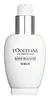
This brightening serum is formulated around Ascorbyl Glucoside and Salicylic Acid to brighten dull-looking skin and fade the look of dark spots.
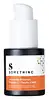
This brightening serum is formulated around 3-O-Ethyl Ascorbic Acid and Acetyl Glucosamine to brighten dull-looking skin and fade the look of dark spots.


What's inside
What's inside
 Key Ingredients
Benefits
Concerns
Ingredients Side-by-side
Water
Skin ConditioningPentylene Glycol
Skin Conditioning
Glycerin
Humectant

Ascorbyl Glucoside
Antioxidant



Butylene Glycol
Humectant
Iris Florentina Root Extract
MaskingSpiraea Ulmaria Flower Extract
Skin ConditioningMorus Alba Root Extract
BleachingPolysorbate 20
Emulsifying

Betaine
Humectant
Sodium Citrate
BufferingSclerotium Gum
Emulsion StabilisingXanthan Gum
EmulsifyingBiosaccharide Gum-1
Humectant
Ethylhexylglycerin
Skin ConditioningSalicylic Acid
Masking








Disodium EDTA
ChelatingSodium Hydroxide
BufferingCitric Acid
Buffering
Phenoxyethanol
Preservative
Parfum
Masking

Benzyl Salicylate
Perfuming
Linalool
Perfuming
Citronellol
Perfuming
Limonene
Perfuming
Water, Pentylene Glycol, Glycerin, Ascorbyl Glucoside, Butylene Glycol, Iris Florentina Root Extract, Spiraea Ulmaria Flower Extract, Morus Alba Root Extract, Polysorbate 20, Betaine, Sodium Citrate, Sclerotium Gum, Xanthan Gum, Biosaccharide Gum-1, Ethylhexylglycerin, Salicylic Acid, Disodium EDTA, Sodium Hydroxide, Citric Acid, Phenoxyethanol, Parfum, Benzyl Salicylate, Linalool, Citronellol, Limonene
Citrus Limon Fruit Extract
Masking
Glycerin
Humectant
Butylene Glycol
Humectant
3-O-Ethyl Ascorbic Acid
Skin Conditioning
Methylpropanediol
SolventAcetyl Glucosamine
Skin Conditioning
Pentylene Glycol
Skin Conditioning
1,2-Hexanediol
Skin Conditioning
Ferulic Acid
Antimicrobial
Ammonium Acryloyldimethyltaurate/Vp Copolymer
Caprylyl Glycol
Emollient
Sodium Hydroxide
BufferingXanthan Gum
EmulsifyingEthylhexylglycerin
Skin ConditioningSodium Phytate
ChelatingTocopherol
Antioxidant
Citrus Limon Fruit Extract, Glycerin, Butylene Glycol, 3-O-Ethyl Ascorbic Acid, Methylpropanediol, Acetyl Glucosamine, Pentylene Glycol, 1,2-Hexanediol, Ferulic Acid, Ammonium Acryloyldimethyltaurate/Vp Copolymer, Caprylyl Glycol, Sodium Hydroxide, Xanthan Gum, Ethylhexylglycerin, Sodium Phytate, Tocopherol
Ingredients Explained
These ingredients are found in both products.
Ingredients higher up in an ingredient list are typically present in a larger amount.
Butylene Glycol (or BG) is used within cosmetic products for a few different reasons:
Overall, Butylene Glycol is a safe and well-rounded ingredient that works well with other ingredients.
Though this ingredient works well with most skin types, some people with sensitive skin may experience a reaction such as allergic rashes, closed comedones, or itchiness.
Learn more about Butylene GlycolEthylhexylglycerin is created from glycerin. It is a multitasker ingredient that:
The CIR Expert Panel found minimal skin absorption or sensitization of any kind in a safety assessment. Though this ingredient is considered well-tolerated, a small number of cases of allergic dermatitis have been published since 2002. Just be sure to patch test if you are unsure.
Industry-reported use ranges from 8% in rinse-off products and 2% in leave-on formulations.
Learn more about EthylhexylglycerinGlycerin (or glycerol) is a compound naturally found in your skin. It's a powerhouse humectant that pulls water into the stratum corneum.
Topically, glycerin does several things at once:
Your skin makes glycerin on its own (mostly from sebaceous oil breakdown) and shuttles it to your outermost layer of skin, or your epidermis, via aquaporin-3.
Aquaporin-3 is a transporter that is essential for normal skin hydration, elasticity, and repair. Interestingly, mice lacking in AQP3 have dry and less elastic skin that can be fully corrected with glycerin.
This ingredient is non-irritating, plays well with almost every ingredient, and works across all skin types. Typical use is anywhere between 3-10% but can go up to 79% in some leave-on products.
Just know very high concentrations (>40%) can feel tacky in low humidity.
Glycerin is the name for this ingredient in American English. British English uses Glycerol/Glycerine.
Learn more about GlycerinPentylene Glycol (1,2-pentanediol) is a multitasking little diol with three main roles in a formula:
Research on alkanediols (the family pentylene glycol belongs to) show they work by disrupting microbial cell membranes. This disruption helps the primary preservative system in a product work more effectively at lower doses.
On the safety side, the Cosmetic Ingredient Review Expert Panel has concluded this ingredient to be safe as used in current cosmetic practices + concentrations.
Typical use levels in a formula run about 1-5%.
Learn more about Pentylene GlycolSodium Hydroxide is also known as lye or caustic soda. It is used to adjust the pH of products; many ingredients require a specific pH to be effective.
In small amounts, sodium hydroxide is considered safe to use. However, large amounts may cause chemical burns due to its high alkaline.
Your skin has a natural pH and acid mantle. This acid mantle helps prevent harmful bacteria from breaking through. The acid mantle also helps keep your skin hydrated.
"Alkaline" refers to a high pH level. A low pH level would be considered acidic.
Learn more about Sodium HydroxideXanthan gum is used as a stabilizer and thickener within cosmetic products. It helps give products a sticky, thick feeling - preventing them from being too runny.
On the technical side of things, xanthan gum is a polysaccharide - a combination consisting of multiple sugar molecules bonded together.
Xanthan gum is a pretty common and great ingredient. It is a natural, non-toxic, non-irritating ingredient that is also commonly used in food products.
Learn more about Xanthan Gum

