

What's inside
What's inside
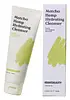 Key Ingredients
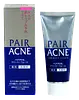
Benefits
Concerns
Ingredients Side-by-side
Camellia Sinensis Leaf Water
Masking
Water
Skin ConditioningGlycerin
Humectant


Dipropylene Glycol
HumectantCoco-Betaine
Cleansing
Coco-Glucoside
Cleansing
1,2-Hexanediol
Skin Conditioning
Butylene Glycol
Humectant
Caprylic/Capric Triglyceride
Masking
Methyl Gluceth-10
EmulsifyingXanthan Gum
EmulsifyingCellulose Gum
Emulsion StabilisingBenzyl Glycol
SolventCamellia Sinensis Leaf Powder
Sodium Polyacrylate
Absorbent
Cannabis Sativa Seed Oil
Emollient

Citric Acid
Buffering


Ethylhexylglycerin
Skin ConditioningDisodium EDTA
Sodium Chloride
MaskingPanthenol
Skin Conditioning

Sodium PCA
Humectant
Camellia Sinensis Leaf Extract
Antimicrobial



Avena Sativa Kernel Extract
Abrasive
Camellia Sinensis Leaf Water, Water, Glycerin, Dipropylene Glycol, Coco-Betaine, Coco-Glucoside, 1,2-Hexanediol, Butylene Glycol, Caprylic/Capric Triglyceride, Methyl Gluceth-10, Xanthan Gum, Cellulose Gum, Benzyl Glycol, Camellia Sinensis Leaf Powder, Sodium Polyacrylate, Cannabis Sativa Seed Oil, Citric Acid, Ethylhexylglycerin, Disodium EDTA, Sodium Chloride, Panthenol, Sodium PCA, Camellia Sinensis Leaf Extract, Avena Sativa Kernel Extract
Dipotassium Glycyrrhizate
Humectant
O-Cymen-5-Ol
Antimicrobial
Myristic Acid
Cleansing
Glycerin
Humectant
Dipropylene Glycol
HumectantCoconut Oil Decyl Esters
Skin Conditioning
Potassium Hydroxide
BufferingPalmitic Acid
Emollient
N-Lauryl Diethanolamine
Sorbitol
Humectant
PEG-150
HumectantGlycol Distearate
Emollient
Parfum
Masking

EDTA
Butylene Glycol
Humectant
Tocopherol
Antioxidant

Magnesium Phosphate
StabilisingGlycine Soja Extract
Skin ConditioningSodium Paraben
Preservative
Dipotassium Glycyrrhizate, O-Cymen-5-Ol, Myristic Acid, Glycerin, Dipropylene Glycol, Coconut Oil Decyl Esters, Potassium Hydroxide, Palmitic Acid, N-Lauryl Diethanolamine, Sorbitol, PEG-150, Glycol Distearate, Parfum, EDTA, Butylene Glycol, Tocopherol, Magnesium Phosphate, Glycine Soja Extract, Sodium Paraben
Reviews
Ingredients Explained
These ingredients are found in both products.
Ingredients higher up in an ingredient list are typically present in a larger amount.
Butylene Glycol (or BG) is used within cosmetic products for a few different reasons:
Overall, Butylene Glycol is a safe and well-rounded ingredient that works well with other ingredients.
Though this ingredient works well with most skin types, some people with sensitive skin may experience a reaction such as allergic rashes, closed comedones, or itchiness.
Learn more about Butylene GlycolDipropylene Glycol is a synthetically created humectant, stabilizer, and solvent.
This ingredient helps:
Dipropylene glycol is technically an alcohol, but it belongs to the glycol family (often considered part of the ‘good’ alcohols). This means it is hydrating and gentle on skin unlike drying solvent alcohols like denatured alcohol.
As a masking agent, Dipropylene Glycol can be used to cover the smell of other ingredients. However, it does not have a scent.
Studies show Dipropylene Glycol is considered safe to use in skincare.
Learn more about Dipropylene GlycolGlycerin (or glycerol) is a compound naturally found in your skin. It's a powerhouse humectant that pulls water into the stratum corneum.
Topically, glycerin does several things at once:
Your skin makes glycerin on its own (mostly from sebaceous oil breakdown) and shuttles it to your outermost layer of skin, or your epidermis, via aquaporin-3.
Aquaporin-3 is a transporter that is essential for normal skin hydration, elasticity, and repair. Interestingly, mice lacking in AQP3 have dry and less elastic skin that can be fully corrected with glycerin.
This ingredient is non-irritating, plays well with almost every ingredient, and works across all skin types. Typical use is anywhere between 3-10% but can go up to 79% in some leave-on products.
Just know very high concentrations (>40%) can feel tacky in low humidity.
Glycerin is the name for this ingredient in American English. British English uses Glycerol/Glycerine.
Learn more about Glycerin
