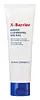
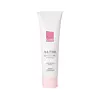
Kosé Dr. Phil Cosmetics X-Barrier Moist Cleansing Oil Gel Versus Kosé Carte HD Moisture Cleansing Oil Gel
This oil-based makeup remover is made to dissolve makeup, sunscreen, and daily buildup.
This oil-based makeup remover is made to dissolve makeup, sunscreen, and daily buildup.

What's inside
What's inside
 Key Ingredients
No key ingredients
Benefits
Concerns
Ingredients Side-by-side
Cetyl Ethylhexanoate
EmollientTriethylhexanoin
MaskingGlycerin
Humectant


Butylene Glycol
Humectant
Water
Skin ConditioningPEG-20 Glyceryl Triisostearate
Emollient

Glycosyl Trehalose
Emulsion StabilisingAphanothece Sacrum Exopolysaccharides
AbsorbentTocopherol
Antioxidant





Disodium EDTA
ChelatingTriethanolamine
BufferingAcrylates/C10-30 Alkyl Acrylate Crosspolymer
Emulsion StabilisingGlycerylamidoethyl Methacrylate/Stearyl Methacrylate Copolymer
HumectantPotassium Cocoyl Glycinate
Surfactant
Sodium Methyl Cocoyl Taurate
Cleansing
Cholesterol
Emollient
Squalane
Emollient
Sodium Methyl Stearoyl Taurate
CleansingTriceteareth-4 Phosphate
EmulsifyingPhytosteryl/Octyldodecyl Lauroyl Glutamate
Skin ConditioningHydrogenated Starch Hydrolysate
HumectantCetyl Ethylhexanoate, Triethylhexanoin, Glycerin, Butylene Glycol, Water, PEG-20 Glyceryl Triisostearate, Glycosyl Trehalose, Aphanothece Sacrum Exopolysaccharides, Tocopherol, Disodium EDTA, Triethanolamine, Acrylates/C10-30 Alkyl Acrylate Crosspolymer, Glycerylamidoethyl Methacrylate/Stearyl Methacrylate Copolymer, Potassium Cocoyl Glycinate, Sodium Methyl Cocoyl Taurate, Cholesterol, Squalane, Sodium Methyl Stearoyl Taurate, Triceteareth-4 Phosphate, Phytosteryl/Octyldodecyl Lauroyl Glutamate, Hydrogenated Starch Hydrolysate
Dipotassium Glycyrrhizate
Humectant
Triethylhexanoin
MaskingCetyl Ethylhexanoate
EmollientGlycerin
Humectant
Water
Skin ConditioningButylene Glycol
Humectant
Cellulose
Absorbent
PEG-20 Glyceryl Triisostearate
Emollient
Serine
Masking
Theanine
EmollientAcetyl Hydroxyproline
EmollientGlycosyl Trehalose
Emulsion StabilisingHydrogenated Starch Hydrolysate
HumectantSodium Methyl Stearoyl Taurate
CleansingAcrylates/C10-30 Alkyl Acrylate Crosspolymer
Emulsion StabilisingDisodium EDTA
ChelatingGlycerylamidoethyl Methacrylate/Stearyl Methacrylate Copolymer
HumectantGlyceryl Glucoside
Humectant
Squalane
Emollient
Triethanolamine
BufferingCholesteryl Oleate
Skin ConditioningStearyl Phosphate
Emulsifying
PPG-10 Cetyl Ether Phosphate
EmulsifyingDiisostearyl Malate
EmollientDipotassium Glycyrrhizate, Triethylhexanoin, Cetyl Ethylhexanoate, Glycerin, Water, Butylene Glycol, Cellulose, PEG-20 Glyceryl Triisostearate, Serine, Theanine, Acetyl Hydroxyproline, Glycosyl Trehalose, Hydrogenated Starch Hydrolysate, Sodium Methyl Stearoyl Taurate, Acrylates/C10-30 Alkyl Acrylate Crosspolymer, Disodium EDTA, Glycerylamidoethyl Methacrylate/Stearyl Methacrylate Copolymer, Glyceryl Glucoside, Squalane, Triethanolamine, Cholesteryl Oleate, Stearyl Phosphate, PPG-10 Cetyl Ether Phosphate, Diisostearyl Malate
Ingredients Explained
These ingredients are found in both products.
Ingredients higher up in an ingredient list are typically present in a larger amount.
Acrylates/C10-30 Alkyl Acrylate Crosspolymer is a synthetic polymer. It is used to thicken, emulsify, and improve the texture of products.
As an emulsifier, it helps stabilize oil-in-water emulsions to give products an elegant feel when applied.
It can also form a thin protective film on skin. One study found that a formula using this polymer helped slow down how quickly other ingredients (like DEET) were absorbed through skin.
A 2024 study of over 1,300 patients confirmed that sensitization to this ingredient is rare. It is also non-mutagenic and has a clean track record.
Learn more about Acrylates/C10-30 Alkyl Acrylate CrosspolymerButylene Glycol (or BG) is used within cosmetic products for a few different reasons:
Overall, Butylene Glycol is a safe and well-rounded ingredient that works well with other ingredients.
Though this ingredient works well with most skin types, some people with sensitive skin may experience a reaction such as allergic rashes, closed comedones, or itchiness.
Learn more about Butylene GlycolCetyl Ethylhexanoate is an emollient ester. It comes from cetearyl alcohol and 2-ethylhexanoic acid.
Cetyl Ethylhexanoate is an emollient that adds a velvety feel to skin without being greasy or oily. Emollients help trap moisture into your skin, keeping your skin soft and hydrated.
Disodium EDTA is a chelating agent. It grabs onto and deactivates metal ions that sneak into your products from water, packaging, or air.
This ingredient mainly works behind the scenes and helps with:
On top of that, this ingredient can counteract the effects of hard water by binding to the minerals in it.
One thing worth knowing is that Disodium EDTA has been shown to be a mild penetration enhancer. It can help other ingredients absorb into skin more effectively which can be a double-edged sword (great for actives, but can also make the active too strong if you have sensitive skin).
Clinical patch testing showed no significant skin irritation at typical use concentrations and minimal dermal absorption.
You'll most likely see this ingredient near the end of an ingredient list. It's typically found in concentrations less than 1%.
Learn more about Disodium EDTAGlycerin (or glycerol) is a compound naturally found in your skin. It's a powerhouse humectant that pulls water into the stratum corneum.
Topically, glycerin does several things at once:
Your skin makes glycerin on its own (mostly from sebaceous oil breakdown) and shuttles it to your outermost layer of skin, or your epidermis, via aquaporin-3.
Aquaporin-3 is a transporter that is essential for normal skin hydration, elasticity, and repair. Interestingly, mice lacking in AQP3 have dry and less elastic skin that can be fully corrected with glycerin.
This ingredient is non-irritating, plays well with almost every ingredient, and works across all skin types. Typical use is anywhere between 3-10% but can go up to 79% in some leave-on products.
Just know very high concentrations (>40%) can feel tacky in low humidity.
Glycerin is the name for this ingredient in American English. British English uses Glycerol/Glycerine.
Learn more about GlycerinWe don't have a description for Glycerylamidoethyl Methacrylate/Stearyl Methacrylate Copolymer yet.
We don't have a description for Glycosyl Trehalose yet.
Hydrogenated Starch Hydrolysate is a made up of a mixture of sugar alcohols (like sorbitol) and is created by hydrogenating corn, wheat, or potato starch.
It acts as a humectant and draws water to the skin to keep it hydrated. Generally, this is a well-tolerated and non-irritating ingredient.
PEG-20 Glyceryl Triisostearate is a synthetic, oil-loving helper ingredient that does two jobs:
This ingredient is made by joining three building blocks: PEG, Isostearic Acid and glycerin. The PEG gives it the oil-and-water blending power.
This ingredient has been found safe for use in cosmetics and broader PEG family testing shows minimal irritation/sensitization. The molecule's large size also means it isn't expected to penetrate skin to any meaningful degree.
Fungal acne note: This ingredient may not be fungal acne safe due to isostearic acid (C18). Isostearic acid falls into the C11-24 range that Malassezia can feed on.
Learn more about PEG-20 Glyceryl TriisostearateThis ingredient is a sulfate-free surfactant. It is made by combining a fatty acid with taurine.
According to a manufacturer, the taurine component of this ingredient makes it suitable for sensitive skin. As a surfactant, it helps cleanse without stripping and helps produce a creamy foam.
Squalane is the hydrogenated and shelf-stable form of squalene (a lipid that naturally occurs in human sebum).
It is an emollient and skin conditioning agent that is able to integrate seamlessly into the skin's lipid barrier without clogging pores.
This is due to how structurally similar it is to what your skin already produces.
Though it is mostly an emollient that helps soften and hydrate skin, it also has some humectant and occlusive action. Humectants help the skin retain moisture while occlusives seal it in, making squalane a triple-threat moisturizer.
Research shows it has antioxidant capabilities that help protect against stressors like UV exposure, specifically UVA induced oxidative stress. This study also found that it supports collagen biosynthesis in human dermal fibroblasts.
No clinical study has reported significant adverse effects and irritation reactions are very rare from this ingredient (even at 100% concentration).
Overall, it's a fantastic ingredient for hydration and is suitable for all skin types.
This depends on the source. Squalane can be derived from both plants and animals. Most squalane used in skincare comes from plants.
Please note: the source of squalane is only known if disclosed by the brand. We recommend reaching out to the brand if you have any questions about their squalane.
Read more about squalene with an "e".
Though squalane is often called an oil, it’s technically not one. It is a hydrocarbon, meaning it is only made of carbon and hydrogen. True oils are triglycerides and made of fatty acids and glycerol.
The term “oil-free” isn’t regulated so companies can define it however they want. Some exclude all oils, while others just avoid mineral oil or comedogenic oils.
Squalane has a comedogenic rating of 1 from the original 1972 study that tested raw ingredients under occlusion on rabbit ears. This system is not standardized or peer-reviewed, and using the raw ingredients is very different from how diluted cosmetic formulations are used on human skin.
A comedogenic rating of 1 means it is "unlikely to clog pores" according to the original rating system.
The overall formula of a product matters more than the individual ingredients on whether or not it will cause clogged pores.
Learn more about SqualaneTriethanolamine (TEA) is an emulsifier and pH adjuster. It is created using ethylene oxide and ammonia. This gives Triethanolamine a nitrogen core and a similar scent to ammonia.
As an emulsifier, it prevents ingredients from separating and enhances texture by adding volume to a product.
PH adjusters are common in cosmetic products. The pH of a product can affect the effectiveness of other ingredients. A product with a high pH may also irritate the skin.
If you are looking for the tea leaf ingredient, click here.
Learn more about TriethanolamineTriethylhexanoin is created from glycerin and 2-ethylhexanoic acid. It is a solvent and emollient.
As a solvent, Triethylhexanoin helps dissolve ingredients to stable bases or help evenly distribute ingredients throughout the product.
It is also an emollient and helps condition the skin.
Learn more about TriethylhexanoinWater. It's the most common cosmetic ingredient of all. You'll usually see it at the top of ingredient lists, meaning that it makes up the largest part of the product.
So why is it so popular? Water most often acts as a solvent - this means that it helps dissolve other ingredients into the formulation.
You'll also recognize water as that liquid we all need to stay alive. If you see this, drink a glass of water. Remember to stay hydrated!
Learn more about Water

