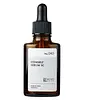
This anti-aging serum is formulated around Sodium DNA and Niacinamide to soften the look of wrinkles and strengthen the skin barrier.

What's inside
What's inside
 Key Ingredients
Benefits
Ingredients Side-by-side
Water
Skin ConditioningPropanediol
Solvent

Pentylene Glycol
Skin Conditioning
Human Bone Marrow Stem Cell Conditioned Media
Skin ConditioningStaphylococcus Epidermidis
Skin ConditioningMonascus/Euterpe Oleracea Fruit/Rice Bran Ferment Filtrate
Antimicrobial
Aloe Vera Callus Extract
Antioxidant

Ginkgo Biloba Callus Culture Extract
Skin ConditioningPanax Ginseng Callus Culture Extract
Skin ConditioningEchinacea Purpurea Callus Culture Extract
Antioxidant
Artemisia Princeps Callus Extract
Antioxidant
Centella Asiatica Extract
Cleansing


Scutellaria Baicalensis Root Extract
Astringent
Polygonum Cuspidatum Root Extract
Antioxidant
Glycyrrhiza Glabra Root Extract
Bleaching

Camellia Sinensis Leaf Extract
Antimicrobial

Rosmarinus Officinalis Leaf Extract
AntimicrobialChamomilla Recutita Flower Extract
Masking
Sodium Acetylated Hyaluronate
Humectant
Sodium Hyaluronate
Humectant
Sodium Hyaluronate Crosspolymer-2
HumectantHydrolyzed Sodium Hyaluronate
Skin Conditioning
Hydrolyzed Collagen
Emollient
Soluble Proteoglycan
Skin ConditioningHydroxyethylcellulose
Emulsion StabilisingButylene Glycol
Humectant
Ethylhexylglycerin
Skin ConditioningCalcium Sodium Borosilicate
Silver Oxide
AntimicrobialWater, Propanediol, Pentylene Glycol, Human Bone Marrow Stem Cell Conditioned Media, Staphylococcus Epidermidis, Monascus/Euterpe Oleracea Fruit/Rice Bran Ferment Filtrate, Aloe Vera Callus Extract, Ginkgo Biloba Callus Culture Extract, Panax Ginseng Callus Culture Extract, Echinacea Purpurea Callus Culture Extract, Artemisia Princeps Callus Extract, Centella Asiatica Extract, Scutellaria Baicalensis Root Extract, Polygonum Cuspidatum Root Extract, Glycyrrhiza Glabra Root Extract, Camellia Sinensis Leaf Extract, Rosmarinus Officinalis Leaf Extract, Chamomilla Recutita Flower Extract, Sodium Acetylated Hyaluronate, Sodium Hyaluronate, Sodium Hyaluronate Crosspolymer-2, Hydrolyzed Sodium Hyaluronate, Hydrolyzed Collagen, Soluble Proteoglycan, Hydroxyethylcellulose, Butylene Glycol, Ethylhexylglycerin, Calcium Sodium Borosilicate, Silver Oxide
Water
Skin ConditioningSodium DNA
Skin Conditioning
Butylene Glycol
Humectant
Pentylene Glycol
Skin Conditioning
Panthenol
Skin Conditioning
Niacinamide
Smoothing

Hydrolyzed Salmon Ovary Membrane Extract
Skin ConditioningHydrolyzed Collagen
Emollient
Dipeptide-15
Skin Conditioning
Oligopeptide-1
Skin Conditioning
Glycine
Buffering
Aloe Vera Callus Extract
Antioxidant
Ginkgo Biloba Callus Culture Extract
Skin ConditioningPanax Ginseng Callus Culture Extract
Skin ConditioningEchinacea Purpurea Callus Culture Extract
Antioxidant
Artemisia Princeps Callus Extract
Antioxidant
Cyanocobalamin
Skin ConditioningLotus Corniculatus Leaf Cell Extract
Skin ProtectingPanax Ginseng Root Extract
Emollient
Pinus Sylvestris Cone Extract
Masking
Camellia Sinensis Leaf Extract
Antimicrobial
Glycerin
Humectant
Zinc Chloride
AntimicrobialSodium Metabisulfite
Antioxidant
Hydroxyethylcellulose
Emulsion StabilisingCarbomer
Emulsion StabilisingPotassium Hydroxide
Buffering1,2-Hexanediol
Skin Conditioning
Ethylhexylglycerin
Skin ConditioningPhenoxyethanol
Preservative
Water, Sodium DNA, Butylene Glycol, Pentylene Glycol, Panthenol, Niacinamide, Hydrolyzed Salmon Ovary Membrane Extract, Hydrolyzed Collagen, Dipeptide-15, Oligopeptide-1, Glycine, Aloe Vera Callus Extract, Ginkgo Biloba Callus Culture Extract, Panax Ginseng Callus Culture Extract, Echinacea Purpurea Callus Culture Extract, Artemisia Princeps Callus Extract, Cyanocobalamin, Lotus Corniculatus Leaf Cell Extract, Panax Ginseng Root Extract, Pinus Sylvestris Cone Extract, Camellia Sinensis Leaf Extract, Glycerin, Zinc Chloride, Sodium Metabisulfite, Hydroxyethylcellulose, Carbomer, Potassium Hydroxide, 1,2-Hexanediol, Ethylhexylglycerin, Phenoxyethanol
Ingredients Explained
These ingredients are found in both products.
Ingredients higher up in an ingredient list are typically present in a larger amount.
Aloe Vera Callus Extract is the extract of the callus of Aloe vera grown in culture.
Aloe contains the antioxidants Vitamins A, C, and E. These vitamins neutralize free radicals.
It also contains sugars in the form of monosaccharides and polysaccharides, folic acid, choline, many common minerals such as calcium, 12 anthraquinones, fatty acids, amino acids, and Vitamin B12.
Aloe is known to be anti-inflammatory, moisturizing, antiseptic, healing, and protect against UV rays.
Artemisia Princeps Callus Extract is an antioxidant.
Butylene Glycol (or BG) is used within cosmetic products for a few different reasons:
Overall, Butylene Glycol is a safe and well-rounded ingredient that works well with other ingredients.
Though this ingredient works well with most skin types, some people with sensitive skin may experience a reaction such as allergic rashes, closed comedones, or itchiness.
Learn more about Butylene GlycolCamellia Sinensis Leaf Extract (tea extract) is one of the most well-researched plant extracts in skincare with an impressive resume.
Black tea, green tea, and oolong tea are all harvested from the Camellia Sinensis plant.
Studies show green tea extract and its catechins (like epigallocatechin gallate (EGCG)) help your skin cells product energy more efficiently and reducing the number of free-radicals that can damage your skin from the inside.
In lab-grown skin models, this translated to younger, healthier, and stronger skin.
There's also good sun protection data; researchers saw less DNA damage and redness on human skin when green tea was applied before UVB exposure. And the more they applied, the better the protection.
Needless to say, this ingredient shouldn't replace your sunscreen. But it is a great supportive ingredient that you can already find in many sunscreens and antioxidant serums.
A 2009 study found a 2% green tea lotion was effective for mild-to-moderate acne thanks to its anti-inflammatory and mild antimicrobial activity.
The quality of the extract matters a lot here:
Good extracts contain 50-90% catechins while lower quality ones are mostly there for marketing. We recommend reaching out to the brand if you have questions about the quality or source of their ingredients.
Human Repeated Insult Patch Testing showed no irritation or sensitization at use concentrations (0.86% in leave-on products and up to 30% as leaf water).
Learn more about Camellia Sinensis Leaf ExtractEchinacea Purpurea Callus Culture Extract is an antioxidant.
Ethylhexylglycerin is created from glycerin. It is a multitasker ingredient that:
The CIR Expert Panel found minimal skin absorption or sensitization of any kind in a safety assessment. Though this ingredient is considered well-tolerated, a small number of cases of allergic dermatitis have been published since 2002. Just be sure to patch test if you are unsure.
Industry-reported use ranges from 8% in rinse-off products and 2% in leave-on formulations.
Learn more about EthylhexylglycerinWe don't have a description for Ginkgo Biloba Callus Culture Extract yet.
Hydrolyzed Collagen is Collagen (usually sourced from fish, bovine, or porcine byproducts) that's been broken down into smaller peptides. This makes it water-soluble and easy to blend into formulations.
In a formula, it works mainly as a skin-conditioning and moisturizing agent.
The small peptides and amino acids (including Natural Moisturizing Factor components like Hydroxyproline, Serine, and Aspartic Acid) help the surface of the skin hold onto water, feel softer, and look temporarily plumper.
This ingredient also has mild film-forming and antioxidant properties with research showing the antioxidant effect is stronger the lower the molecular weight of the peptides.
It's worth being realistic here:
Topically applied Hydrolyzed Collagen conditions the upper layers of skin rather than rebuilding the structural collagen deep in your dermis (the wrinkle-and-firmness benefits people associate with Collagen mostly come from oral supplements in studies, not topicals).
However, recent lab and skin-model work on Hydrolyzed Fish Collagen has shown promising effects on cell viability and wound healing when used as an active.
Typical concentrations range from 0.2-2%, but the percentage can go much higher in rinse-off or hair products (sometimes even above 50%).
Clinical studies on this ingredient showed no irritation, sensitization, or phototoxicity.
If you are looking for vegan collagen, it usually goes by a different INCI name like hydrolyzed soy protein. Vegan collagen is derived from yeast, bacteria, or plant sources.
The results are varied.
A study from 2021 found hydrolyzed collagen increased elasticity and improved wrinkles in 1,125 participants between age 20 and 70. Another study found increased skin thickness in participants between the ages of 45 to 59.
However, It is difficult to prove that oral collagen will end up working on your skin. Many of the studies using hydrolyzed collagen also add several vitamins and nutrients into the test mixture as well.
Further studies are needed at this time.
Learn more about Hydrolyzed CollagenHydroxyethylcellulose is used to improve the texture of products. It is created from a chemical reaction involving ethylene oxide and alkali-cellulose. Cellulose is a sugar found in plant cell walls and help give plants structure.
This ingredient helps stabilize products by preventing ingredients from separating. It can also help thicken the texture of a product.
This ingredient can also be found in pill medicines to help our bodies digest other ingredients.
Learn more about HydroxyethylcelluloseThis ingredient comes from the callus cells of ginseng.
Ginseng is rich in antioxidants, favonoids, and vitamins B12 and D.
Learn more about the benefits of ginseng.
Learn more about Panax Ginseng Callus Culture ExtractPentylene Glycol (1,2-pentanediol) is a multitasking little diol with three main roles in a formula:
Research on alkanediols (the family pentylene glycol belongs to) show they work by disrupting microbial cell membranes. This disruption helps the primary preservative system in a product work more effectively at lower doses.
On the safety side, the Cosmetic Ingredient Review Expert Panel has concluded this ingredient to be safe as used in current cosmetic practices + concentrations.
Typical use levels in a formula run about 1-5%.
Learn more about Pentylene GlycolWater. It's the most common cosmetic ingredient of all. You'll usually see it at the top of ingredient lists, meaning that it makes up the largest part of the product.
So why is it so popular? Water most often acts as a solvent - this means that it helps dissolve other ingredients into the formulation.
You'll also recognize water as that liquid we all need to stay alive. If you see this, drink a glass of water. Remember to stay hydrated!
Learn more about Water

