
What's inside
What's inside
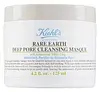 Key Ingredients
Benefits
Concerns
Ingredients Side-by-side
Water
Skin ConditioningKaolin
Abrasive



Bentonite
Absorbent
Propanediol
Solvent

Glycerin
Humectant
CI 77891
Cosmetic ColorantCaprylic/Capric Triglyceride
Masking
Cetearyl Alcohol
Emollient





Zea Mays Starch
Absorbent
Phenoxyethanol
Preservative
Ceteareth-20
Cleansing
Caprylyl Glycol
Emollient
Xanthan Gum
EmulsifyingEthylhexylglycerin
Skin ConditioningTocopherol
Antioxidant





Lecithin
Emollient
Aloe Barbadensis Leaf Extract
Emollient
Aloe Barbadensis Leaf Juice
Skin Conditioning
Avena Sativa Kernel Flour
Abrasive
Allantoin
Skin Conditioning
Water, Kaolin, Bentonite, Propanediol, Glycerin, CI 77891, Caprylic/Capric Triglyceride, Cetearyl Alcohol, Zea Mays Starch, Phenoxyethanol, Ceteareth-20, Caprylyl Glycol, Xanthan Gum, Ethylhexylglycerin, Tocopherol, Lecithin, Aloe Barbadensis Leaf Extract, Aloe Barbadensis Leaf Juice, Avena Sativa Kernel Flour, Allantoin
Zea Mays Starch
Absorbent
Disodium Lauryl Sulfosuccinate
CleansingSodium Lauroyl Glutamate
SurfactantPotassium Cocoyl Glycinate
Surfactant
Kaolin
Abrasive
Potassium Chloride
Cellulose
Absorbent
Microcrystalline Cellulose
AbsorbentPerlite
Absorbent
Aluminum Starch Octenylsuccinate
Absorbent
Magnesium Stearate
Cosmetic ColorantTartaric Acid
Buffering

Water
Skin ConditioningCocamidopropyl Betaine
Cleansing
Aloe Barbadensis Leaf Juice Powder
Skin Conditioning
Allantoin
Skin Conditioning
Sodium Chloride
MaskingZea Mays Starch, Disodium Lauryl Sulfosuccinate, Sodium Lauroyl Glutamate, Potassium Cocoyl Glycinate, Kaolin, Potassium Chloride, Cellulose, Microcrystalline Cellulose, Perlite, Aluminum Starch Octenylsuccinate, Magnesium Stearate, Tartaric Acid, Water, Cocamidopropyl Betaine, Aloe Barbadensis Leaf Juice Powder, Allantoin, Sodium Chloride
Reviews
Ingredients Explained
These ingredients are found in both products.
Ingredients higher up in an ingredient list are typically present in a larger amount.
Allantoin is a soothing ingredient known for its protective and moisturizing properties; it's basically a quiet workhorse ingredient you can find in a huge range of cosmetics.
Though it can be derived from the comfrey plant, allantoin is produced synthetically for cosmetic products to ensure purity.
Research shows it can encourage your skin cells to turn over and renew by stimulating keratinocyte and fibroblast proliferation.
It also has mild keratolytic properties to help loosen and shed dead skin cells without being harsh.
Studies also suggest allantoin can help calm inflammation by dialing down some of the chemical signals your skin sends out when it is irritated.
This ingredient is typically used in the 0.1-0.5% range, and the FDA recognizes it as a skin protectant in OTC products up to 2%.
Overall, allantoin is a wonderful addition to most routines; it is stable across a wide pH range (~4-8), works well with other ingredients, and is considered non-sensitizing/non-irritating.
Fun fact: Allantoin is naturally occurring in comfrey root, beets, chamomile, and wheat sprouts. Our bodies even produce it as a byproduct of uric acid metabolism.
Learn more about AllantoinKaolin is a clay. It is used for oil control and to help minimize pores. Like other clays, kaolin has the ability to absorb excess sebum or oil. This can help clean out pores and mattify the skin.
Some types of kaolin may have exfoliating properties. When water is added to kaolin, it becomes a paste with small abrasive particles.
Most kaolin is a white color, but may be pink/orange/red depending on where it comes from.
The name 'kaolin' comes from a Chinese village named 'Gaoling'. Kaolin clay comes from rocks rich in kaolinite. Kaolinite, the mineral, has a silicate layered structure. Kaolinite is formed from chemical weathering of aluminum siilicate minerals.
Besides skincare, kaolin is commonly used to make glossy paper, in ceramics, toothpaste, and as medicine to soothe stomach issues.
Learn more about KaolinWater. It's the most common cosmetic ingredient of all. You'll usually see it at the top of ingredient lists, meaning that it makes up the largest part of the product.
So why is it so popular? Water most often acts as a solvent - this means that it helps dissolve other ingredients into the formulation.
You'll also recognize water as that liquid we all need to stay alive. If you see this, drink a glass of water. Remember to stay hydrated!
Learn more about WaterZea Mays Starch is starch made from corn. You might know this as cornstarch . It is used to thicken a product. It can replace talc as an absorbent.
The pH of cornstarch is 5.92.
Cornstarch is a common food ingredient used to thicken soups or to make corn syrup.
Learn more about Zea Mays Starch

