
What's inside
What's inside
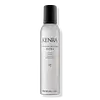 Concerns
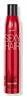
Ingredients Side-by-side
Water
Skin ConditioningVp/Va Copolymer
Propane
Butane
Polyquaternium-11
Isobutane
Phenoxyethanol
Preservative
Steareth-21
CleansingParfum
Masking




Cocamidopropyl Betaine
Cleansing
Ethylhexylglycerin
Skin ConditioningPPG-5-Ceteth-20
EmulsifyingHydrolyzed Wheat Protein
Skin ConditioningPEG-12 Dimethicone
Skin Conditioning
Benzophenone-4
UV Absorber
Sodium Chloride
MaskingPotassium Sorbate
Preservative
Sodium Benzoate
Masking
Sodium Hydroxide
BufferingCitric Acid
Buffering

Limonene
Perfuming
Benzyl Salicylate
Perfuming
Benzyl Alcohol
Perfuming
Hexyl Cinnamal
Perfuming
Linalool
Perfuming
Geraniol
Perfuming
Amyl Cinnamal
Perfuming
Water, Vp/Va Copolymer, Propane, Butane, Polyquaternium-11, Isobutane, Phenoxyethanol, Steareth-21, Parfum, Cocamidopropyl Betaine, Ethylhexylglycerin, PPG-5-Ceteth-20, Hydrolyzed Wheat Protein, PEG-12 Dimethicone, Benzophenone-4, Sodium Chloride, Potassium Sorbate, Sodium Benzoate, Sodium Hydroxide, Citric Acid, Limonene, Benzyl Salicylate, Benzyl Alcohol, Hexyl Cinnamal, Linalool, Geraniol, Amyl Cinnamal
Water
Skin ConditioningHydrofluorocarbon 152a
Vp/Va Copolymer
Dimethyl Ether
SolventIsopentane
SolventPvp
Emulsion StabilisingPEG-12 Dimethicone
Skin Conditioning
Polysorbate 80
Emulsifying
Cocamidopropyl Hydroxysultaine
Cleansing
Oleth-20
CleansingButylether Hidroxypropil Sultaine
PPG-5-Ceteth-20
EmulsifyingCarbomer
Emulsion StabilisingDiazolidinyl Urea
Preservative
Parfum
Masking
Benzyl Salicylate
Perfuming
Butylphenyl Methylpropional
Perfuming
Citronellol
Perfuming
Eugenol
Perfuming
Geraniol
Perfuming
Hexyl Cinnamal
Perfuming
Hydroxycitronellal
Perfuming
Hydroxyisohexyl 3-Cyclohexene Carboxaldehyde
Masking
Limonene
Perfuming
Sodium Hydroxide
BufferingBenzophenone-4
UV Absorber
Tetrasodium EDTA
ChelatingTetrahydroxypropyl Ethylenediamine
ChelatingWater, Hydrofluorocarbon 152a, Vp/Va Copolymer, Dimethyl Ether, Isopentane, Pvp, PEG-12 Dimethicone, Polysorbate 80, Cocamidopropyl Hydroxysultaine, Oleth-20, Butylether Hidroxypropil Sultaine, PPG-5-Ceteth-20, Carbomer, Diazolidinyl Urea, Parfum, Benzyl Salicylate, Butylphenyl Methylpropional, Citronellol, Eugenol, Geraniol, Hexyl Cinnamal, Hydroxycitronellal, Hydroxyisohexyl 3-Cyclohexene Carboxaldehyde, Limonene, Sodium Hydroxide, Benzophenone-4, Tetrasodium EDTA, Tetrahydroxypropyl Ethylenediamine
Ingredients Explained
These ingredients are found in both products.
Ingredients higher up in an ingredient list are typically present in a larger amount.
Benzophenone-4 (aka Sulisobenzone) is a water-soluble UV filter that mainly absorbs UVB rays with some UVA coverage.
It has two jobs in a formula:
That's why you'll spot it in a variety of products from sunscreens to clear-packaged serums where it protects dyes, fragrances, and other actives from degrading.
As a UV filter, it is fairly weak on its own. This is why it's almost always paired with stronger UV filters to build up SPF.
On the regulatory side, this ingredient is well-studied and broadly considered safe as used.
The EU's Scientific Committee on Consumer Safety reviewed it (and the endocrine-disruption questions that had been raised) and concluded it's safe as a UV filter up to 5%.
The US and Canada allow up to 10% and the CIR Expert Panel has found benzophenones safe at cosmetic-use levels with low skin penetration.
The only thing worth flagging for is contact allergy:
Benzophenone-4 stands out among UV filters as a frequent trigger or allergic and photoallergic contact dermatitis. A 2007 study in Contact Dermatitis even called it an "emerging allergen" so a small subset of people may get redness or irritation from it.
Learn more about Benzophenone-4Benzyl Salicylate is a solvent and fragrance additive. It is an ester of benzyl alcohol and salicylic acid. This ingredient can be naturally found in some plants and plant extracts.
In fragrances, Benzyl Salicylate may be a solvent or a fragrance component. In synthetic musk scents, it is used as a solvent. For floral fragrances such as lilac and jasmine, it is used as a fragrance component. The natural scent of Benzyl Salicylate is described as "lightly-sweet, slightly balsamic".
While Benzyl Salicylate has been associated with contact dermatitis and allergies, emerging studies show it may not be caused by this ingredient alone.
However, this ingredient is often used with fragrances and other components that may cause allergies. It is still listed as a known allergen in the EU. We recommend speaking with a professional if you have concerns.
Another study from 2021 shows Benzyl Salicylate may have anti-inflammatory properties.
Learn more about Benzyl SalicylateGeraniol is used to add fragrance/parfum to a product. It is the main component of citronellol. It is a monoterpenoid and an alcohol.
Monoterpenes are naturally found in many parts of different plants.
Geraniol can be found in many essential oils including Rose Oil and Citronella Oil. The scent of Geraniol is often described as "rose-like". Many foods also contain Geraniol for fruit flavoring.
Geraniol can irritate the skin when exposed to air. However, irritation depends on the ability of geraniol to penetrate into the skin. In general, geraniol is not able to penetrate skin easily.
Geraniol is colorless and has low water-solubility. However, it is soluble in common organic solvents.
Like citronellol, it is a natural insect repellent.
2,6-Octadien-1-ol, 3,7-dimethyl-, (2E)-
Learn more about GeraniolHexyl Cinnamal is a fragrance ingredient with a similar scent to jasmine. It can be naturally found in chamomile essential oil.
This ingredient is a known EU allergen and may sensitize the skin. The EU requires this ingredient to be listed separately on an ingredients list.
Hexyl Cinnamal is not water soluble but is soluble in oils.
Learn more about Hexyl CinnamalLimonene is the compound that gives citrus peel its smell.
In skincare, it shows up as a standalone fragrance ingredient or as a natural compound of citrus and other essential oils.
You'll typically see this ingredient used in very small amounts; anything above 0.001% in a leave-on product or 0.01% in a rinse-off has to be named on the label in the EU. The citrus oils that carry it sit around 0.5-1% in a finished formula.
Fresh limonene is a weak allergen; the real issue is that it slowly reacts with air and then breaks down from oxidation to create hydroperoxides (which are strong sensitizers). This is why suppliers are required to keep the peroxide value below 20 mmol.
Positive reactions in people being investigated for eczema vary:
It's worth skipping if you have a known fragrance allergy or a compromised barrier, but the risk is low for most people.
Older or long-opened products are also more likely to bother you than fresh ones due to oxidation.
Learn more about LimoneneParfum is a catch-all term for an ingredient or more that is used to give a scent to products.
Also called "fragrance", this ingredient can be a blend of hundreds of chemicals or plant oils. This means every product with "fragrance" or "parfum" in the ingredients list is a different mixture.
For instance, Habanolide is a proprietary trade name for a specific aroma chemical. When used as a fragrance ingredient in cosmetics, most aroma chemicals fall under the broad labeling category of “FRAGRANCE” or “PARFUM” according to EU and US regulations.
The term 'parfum' or 'fragrance' is not regulated in many countries. In many cases, it is up to the brand to define this term.
For instance, many brands choose to label themselves as "fragrance-free" because they are not using synthetic fragrances. However, their products may still contain ingredients such as essential oils that are considered a fragrance by INCI standards.
One example is Calendula flower extract. Calendula is an essential oil that still imparts a scent or 'fragrance'.
Depending on the blend, the ingredients in the mixture can cause allergies and sensitivities on the skin. Some ingredients that are known EU allergens include linalool and citronellol.
Parfum can also be used to mask or cover an unpleasant scent.
The bottom line is: not all fragrances/parfum/ingredients are created equally. If you are worried about fragrances, we recommend taking a closer look at an ingredient. And of course, we always recommend speaking with a professional.
Learn more about ParfumPEG-12 Dimethicone is a type of water-soluble silicone. It has skin conditioning and hydrating properties.
According to a manufacturer, this ingredient's stability is decreased by strong acid or alkali.
We don't have a description for PPG-5-Ceteth-20 yet.
Sodium Hydroxide is also known as lye or caustic soda. It is used to adjust the pH of products; many ingredients require a specific pH to be effective.
In small amounts, sodium hydroxide is considered safe to use. However, large amounts may cause chemical burns due to its high alkaline.
Your skin has a natural pH and acid mantle. This acid mantle helps prevent harmful bacteria from breaking through. The acid mantle also helps keep your skin hydrated.
"Alkaline" refers to a high pH level. A low pH level would be considered acidic.
Learn more about Sodium HydroxideVP/VA Copolymer is a synthetic polymer made by joining two smaller molecules (vinylpyrrolidone and vinyl acetate) into a larger chain.
It is mainly used as a film-former and fixing agent. When a product dries, it creates a thin and flexible layer on the skin, hair, or nails. This film helps hold hairstyles into place, adds a smooth feel to skin, and traps moisture to reduce dryness.
Irritation is rare at normal concentrations and it doesn't penetrate deeply into skin.
Learn more about Vp/Va CopolymerWater. It's the most common cosmetic ingredient of all. You'll usually see it at the top of ingredient lists, meaning that it makes up the largest part of the product.
So why is it so popular? Water most often acts as a solvent - this means that it helps dissolve other ingredients into the formulation.
You'll also recognize water as that liquid we all need to stay alive. If you see this, drink a glass of water. Remember to stay hydrated!
Learn more about Water

