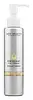
This mild gel cleanser is mild enough to cleanse without leaving skin feeling tight or stripped.
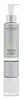
This oil-based makeup remover is made to dissolve makeup, sunscreen, and daily buildup.

What's inside
What's inside
 Key Ingredients
Benefits
Concerns
Ingredients Side-by-side
Citrus Limon Juice
Skin Conditioning
Pyrus Malus Juice
Skin ConditioningVitis Vinifera Juice
Antioxidant
Aloe Barbadensis Leaf Juice
Skin Conditioning


Decyl Glucoside
Cleansing
Glycerin
Humectant

Sodium Cocoyl Glycinate
Cleansing
Caprylyl Glycol
Emollient
Gluconolactone
Chelating






Vitis Vinifera Oil
Perfuming



Xanthan Gum
EmulsifyingHelianthus Annuus Seed Oil
Emollient
Citrus Aurantium Dulcis Fruit Extract
MaskingCitrus Paradisi Fruit Extract
Skin ConditioningAlgae Extract
Emollient

Malus Domestica Fruit Cell Culture Extract
Skin ConditioningVitis Vinifera Fruit Extract
Skin ConditioningCitrus Limon Leaf Cell Extract
Skin ConditioningAscorbic Acid
Antioxidant

Tocopherol
Antioxidant
Hydroxypropyl Methylcellulose
Emulsion StabilisingSodium Phytate
ChelatingPolyglyceryl-5 Oleate
Emulsifying
Sodium Cocoyl Glutamate
Cleansing
Glyceryl Caprylate
EmollientIsomalt
HumectantGlyceryl Stearate
Emollient
Litsea Cubeba Fruit Oil
Masking
Cinnamomum Camphora Wood Oil
Masking
Citrus Limon Juice, Pyrus Malus Juice, Vitis Vinifera Juice, Aloe Barbadensis Leaf Juice, Decyl Glucoside, Glycerin, Sodium Cocoyl Glycinate, Caprylyl Glycol, Gluconolactone, Vitis Vinifera Oil, Xanthan Gum, Helianthus Annuus Seed Oil, Citrus Aurantium Dulcis Fruit Extract, Citrus Paradisi Fruit Extract, Algae Extract, Malus Domestica Fruit Cell Culture Extract, Vitis Vinifera Fruit Extract, Citrus Limon Leaf Cell Extract, Ascorbic Acid, Tocopherol, Hydroxypropyl Methylcellulose, Sodium Phytate, Polyglyceryl-5 Oleate, Sodium Cocoyl Glutamate, Glyceryl Caprylate, Isomalt, Glyceryl Stearate, Litsea Cubeba Fruit Oil, Cinnamomum Camphora Wood Oil
Helianthus Annuus Seed Oil
Emollient
Caprylic/Capric Triglyceride
Masking
Polysorbate 80
Emulsifying
Vitis Vinifera Seed Oil
Emollient
Tetrahexyldecyl Ascorbate
Antioxidant
Tocopherol
Antioxidant
Pyrus Malus Juice
Skin ConditioningCitrus Limon Juice
Skin Conditioning
Malus Domestica Fruit Cell Culture Extract
Skin ConditioningVitis Vinifera Fruit Cell Extract
Skin ConditioningCitrus Limon Leaf Cell Extract
Skin ConditioningLitsea Cubeba Fruit Oil
Masking
Cinnamomum Camphora Wood Oil
Masking
Helianthus Annuus Seed Oil, Caprylic/Capric Triglyceride, Polysorbate 80, Vitis Vinifera Seed Oil, Tetrahexyldecyl Ascorbate, Tocopherol, Pyrus Malus Juice, Citrus Limon Juice, Malus Domestica Fruit Cell Culture Extract, Vitis Vinifera Fruit Cell Extract, Citrus Limon Leaf Cell Extract, Litsea Cubeba Fruit Oil, Cinnamomum Camphora Wood Oil
Ingredients Explained
These ingredients are found in both products.
Ingredients higher up in an ingredient list are typically present in a larger amount.
Cinnamomum Camphora Wood Oil is an oil.
Citrus Limon juice is also lemon juice.
While lemon juice contains antioxidants and vitamins, it can sensitize the skin.
The acidity of lemons may work as an astringent for acne. This can cause sensitivity. Lemon juice can also increase photosensitivity, or sensitivity to the sun.
Learn more about Citrus Limon JuiceWe don't have a description for Citrus Limon Leaf Cell Extract yet.
Helianthus Annuus Seed Oil is a plant oil derived from the seeds of a sunflower.
It is rich in fatty acids, primarily linoleic acid and oleic acid. This gives it emollient and skin conditioning properties.
The reason this ingredient is so effective is because it forms a thin film on the skin that reduces transepidermal water loss (TEWL) while supplying linoleic acid to the stratum corneum to improve barrier strength.
The high linoleic acid content is particularly noteworthy for acne-prone skin.
Research suggests that acne-prone skin tends to be deficient in linoleic acid in sebum. Topical application may help replenish this to support a healthier follicular environment and less comedone-promoting sebum.
One randomized study found sunflower seed oil preserved skin barrier integrity in adult volunteers with and without atopic dermatitis (outperforming olive oil).
This ingredient is well-studied, gentle, and an effective emollient suitable for most skin types.
On fungal acne: This ingredient may not be Fungal acne (Malassezia folliculitis) safe. This is because it contains fatty acids with carbon chain lengths in the C11-C24 range.
Learn more about Helianthus Annuus Seed OilLitsea Cubeba Fruit Oil is also known as May Chang essential oil. It is mostly used as a fragrance ingredient and has a bright, sweet, and lemony scent.
The main fragrance compounds in this ingredient are citral (~70-85%) and limonene.
Citral has documented antimicrobial activity against acne bacteria (which is where the marketing claims about it being good for acne-prone skin originate), but real formulas use it at fragrance-level concentrations under 1%.
The main thing worth knowing is that citral is a known EU fragrance allergen so people with known fragrance sensitivities may want to skip it.
Unlike citrus oils, May Chang doesn't contain furocoumarins and therefore isn't phototoxic.
Learn more about Litsea Cubeba Fruit OilThis ingredient comes from a rare Swiss apple known as Uttwiler Spätlauber. It is produced from the cell cultures of the apple and not the fruit itself.
According to manufacturer studies, this ingredient has demonstrated the following benefits:
- Visible anti-wrinkle effect around the eye area (in vivo)
- Enhanced colony-forming efficiency of epidermal stem cells (in vitro)
- Improved ability of skin cells to regenerate and build new tissues in a 3D epidermis model (in vitro)
- Increased skin density (in vitro)
- Boosted vitality of epidermal stem cells (in vitro)
- Reversal of cellular aging signs in fibroblasts (in vitro)
This ingredient is also known as apple juice. Apples are rich in Vitamin C, sugars, and antioxidants.
Tocopherol is a fat-soluble antioxidant known as Vitamin E.
You'll find this ingredient in the vast majority of skincare (for good reason). It works to neutralize free radicals, or unstable molecules generated by UV exposure, pollution, and other environmental stressors, before they can cause oxidative damage to your skin cells.
Topically applied tocopherol has been shown to protect against UV damage by ramping up the skin's own natural defense enzymes.
It also acts as a skin conditioning agent; some studies show that regular topical use can improve the skin's water-binding capacity over 2-4 weeks.
This ingredient is especially loved for being a team player. When combined with Vitamin C, the photoprotective effect of both ingredients roughly doubles and the combo also helps reduce UV-induced DNA damage.
This ingredient has some brightening potential but it's more of a prevention ingredient than spot-fader. Cell studies show it can slow down melanin production but it's worth noting that it's not the most powerful brightener out there.
In formulations, it also serves as a stabilizer that helps protect other oxidation-prone ingredients from degrading.
Concentrations usually range from 0.1-1% in most leave-on products.
Learn more about Tocopherol

