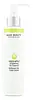
This lactic acid gel cleanser is formulated around Lactic Acid to exfoliate and smooth skin.
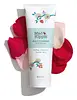
This oil-based cleanser is made to cleanse without leaving your skin tight or dry.

What's inside
What's inside
 Key Ingredients
Benefits
Concerns
Ingredients Side-by-side
Aloe Barbadensis Leaf Juice
Skin Conditioning


Glycerin
Humectant

Pyrus Malus Juice
Skin ConditioningDecyl Glucoside
Cleansing
Coco-Glucoside
Cleansing
Xanthan Gum
EmulsifyingCitrus Limon Juice
Skin Conditioning
Vitis Vinifera Juice
Antioxidant
Caprylyl/Capryl Glucoside
CleansingVaccinium Myrtillus Fruit Extract
Skin ConditioningSaccharum Officinarum Extract
MoisturisingAcer Saccharum Extract
Skin ConditioningTaraxacum Officinale Leaf Extract
Skin ConditioningSalvia Officinalis Leaf Extract
CleansingTocopherol
Antioxidant



Lactic Acid
Buffering





Glycolic Acid
Buffering

Sodium Levulinate
Skin ConditioningPotassium Sorbate
Preservative
Sodium Phytate
Citric Acid
Buffering
Citrus Aurantium Dulcis Flower Oil
Astringent
Litsea Cubeba Fruit Oil
Masking

Cinnamomum Camphora Wood Oil
Masking
Citrus Grandis Peel Oil
Masking
Aloe Barbadensis Leaf Juice, Glycerin, Pyrus Malus Juice, Decyl Glucoside, Coco-Glucoside, Xanthan Gum, Citrus Limon Juice, Vitis Vinifera Juice, Caprylyl/Capryl Glucoside, Vaccinium Myrtillus Fruit Extract, Saccharum Officinarum Extract, Acer Saccharum Extract, Taraxacum Officinale Leaf Extract, Salvia Officinalis Leaf Extract, Tocopherol, Lactic Acid, Glycolic Acid, Sodium Levulinate, Potassium Sorbate, Sodium Phytate, Citric Acid, Citrus Aurantium Dulcis Flower Oil, Litsea Cubeba Fruit Oil, Cinnamomum Camphora Wood Oil, Citrus Grandis Peel Oil
Caprylic/Capric Triglyceride
Masking
Glycerin
Humectant
Water
Skin ConditioningSucrose Laurate
Emollient
Sucrose Stearate
EmollientDecyl Glucoside
Cleansing
Squalane
Emollient
Phenethyl Alcohol
MaskingCaprylyl Glycol
Emollient
Ethylhexylglycerin
Skin ConditioningSodium Hyaluronate
Humectant
Sodium PCA
Humectant
Tocopherol
Antioxidant
Rosa Centifolia Flower Extract
Astringent
Resveratrol
Antioxidant
Terminalia Ferdinandiana Fruit Extract
Antioxidant
Euterpe Oleracea Fruit Extract
Chamomilla Recutita Flower Extract
Masking
Camellia Sinensis Leaf Extract
Antimicrobial
Hippophae Rhamnoides Fruit Extract
Skin Conditioning
Citrus Aurantifolia Peel
Skin ConditioningCaprylic/Capric Triglyceride, Glycerin, Water, Sucrose Laurate, Sucrose Stearate, Decyl Glucoside, Squalane, Phenethyl Alcohol, Caprylyl Glycol, Ethylhexylglycerin, Sodium Hyaluronate, Sodium PCA, Tocopherol, Rosa Centifolia Flower Extract, Resveratrol, Terminalia Ferdinandiana Fruit Extract, Euterpe Oleracea Fruit Extract, Chamomilla Recutita Flower Extract, Camellia Sinensis Leaf Extract, Hippophae Rhamnoides Fruit Extract, Citrus Aurantifolia Peel
Reviews
Ingredients Explained
These ingredients are found in both products.
Ingredients higher up in an ingredient list are typically present in a larger amount.
Decyl Glucoside is a plant-derived surfactant and emulsion stabilizer. It is created by reacting glucose with the fatty acids from plants.
Like all surfactants, it works by lowering the surface tension between water and oil. This makes it so that dirt, sebum, and makeup can be lifted off your skin and rinsed away. It also produces a dense and creamy foam.
Because it has a neutral charge, it is compatible with a wide range of ingredients and stays stable across a broad pH range/water hardiness conditions.
Patch testing has shown it to have the lowest irritation potential among common cleansing surfactants (like SLS).
Typical use levels range from 5-20% in rinse-off cleansers.
One thing worth knowing: The American Contact Dermatitis Society named the parent family, alkyl glucosides, "Allergen of the Year" in 2017. The prevalence of allergy is pretty low but be sure to patch test if you've reacted to "gentle" or sulfate-free cleansers before.
This ingredient is fungal acne safe because the fatty alcohol portion of this ingredient is not within the C11-24 chain length that Malassezia can metabolize.
Learn more about Decyl GlucosideGlycerin (or glycerol) is a compound naturally found in your skin. It's a powerhouse humectant that pulls water into the stratum corneum.
Topically, glycerin does several things at once:
Your skin makes glycerin on its own (mostly from sebaceous oil breakdown) and shuttles it to your outermost layer of skin, or your epidermis, via aquaporin-3.
Aquaporin-3 is a transporter that is essential for normal skin hydration, elasticity, and repair. Interestingly, mice lacking in AQP3 have dry and less elastic skin that can be fully corrected with glycerin.
This ingredient is non-irritating, plays well with almost every ingredient, and works across all skin types. Typical use is anywhere between 3-10% but can go up to 79% in some leave-on products.
Just know very high concentrations (>40%) can feel tacky in low humidity.
Glycerin is the name for this ingredient in American English. British English uses Glycerol/Glycerine.
Learn more about GlycerinTocopherol is a fat-soluble antioxidant known as Vitamin E.
You'll find this ingredient in the vast majority of skincare (for good reason). It works to neutralize free radicals, or unstable molecules generated by UV exposure, pollution, and other environmental stressors, before they can cause oxidative damage to your skin cells.
Topically applied tocopherol has been shown to protect against UV damage by ramping up the skin's own natural defense enzymes.
It also acts as a skin conditioning agent; some studies show that regular topical use can improve the skin's water-binding capacity over 2-4 weeks.
This ingredient is especially loved for being a team player. When combined with Vitamin C, the photoprotective effect of both ingredients roughly doubles and the combo also helps reduce UV-induced DNA damage.
This ingredient has some brightening potential but it's more of a prevention ingredient than spot-fader. Cell studies show it can slow down melanin production but it's worth noting that it's not the most powerful brightener out there.
In formulations, it also serves as a stabilizer that helps protect other oxidation-prone ingredients from degrading.
Concentrations usually range from 0.1-1% in most leave-on products.
Learn more about Tocopherol

