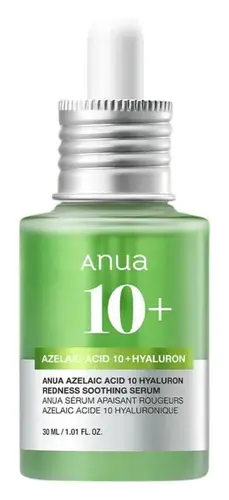
What's inside
What's inside
 Key Ingredients
Benefits
Concerns
Ingredients Side-by-side
Ethoxydiglycol
HumectantAzelaic Acid
Buffering









Tetrahydroxypropyl Ethylenediamine
Water
Skin ConditioningPropanediol
Solvent

BHA
Antioxidant
Polyacrylate Crosspolymer-6
Emulsion StabilisingLactic Acid
Buffering




Glycerin
Humectant
Bis-Ethoxydiglycol Cyclohexane 1,4-Dicarboxylate
Emollient1,2-Hexanediol
Skin Conditioning
Hydroxyacetophenone
Antioxidant
Butylene Glycol
Humectant
Maltodextrin
Absorbent
Epilobium Angustifolium Flower/Leaf/Stem Extract
Skin ConditioningMenthol
Masking

O-Cymen-5-Ol
Antimicrobial
Punica Granatum Pericarp Extract
Skin ConditioningCitric Acid
Buffering
Totarol
Antioxidant
Quaternium-73
Ethoxydiglycol, Azelaic Acid, Tetrahydroxypropyl Ethylenediamine, Water, Propanediol, BHA, Polyacrylate Crosspolymer-6, Lactic Acid, Glycerin, Bis-Ethoxydiglycol Cyclohexane 1,4-Dicarboxylate, 1,2-Hexanediol, Hydroxyacetophenone, Butylene Glycol, Maltodextrin, Epilobium Angustifolium Flower/Leaf/Stem Extract, Menthol, O-Cymen-5-Ol, Punica Granatum Pericarp Extract, Citric Acid, Totarol, Quaternium-73
Water
Skin ConditioningAzelaic Acid
Buffering
Dipropylene Glycol
HumectantPropanediol
Solvent
Sodium Hydroxide
BufferingTromethamine
BufferingPentylene Glycol
Skin Conditioning
PEG-6
HumectantPEG-32
HumectantPanthenol
Skin Conditioning
Nicotinamide Adenine Dinucleotide
Skin ConditioningMadecassoside
Antioxidant
Asiaticoside
Antioxidant
Gluconolactone
Skin Conditioning
Succinic Acid
BufferingCitric Acid
Buffering
Sodium Acetylated Hyaluronate
Humectant
Sodium Hyaluronate
Humectant
Sodium Hyaluronate Crosspolymer-2
HumectantHydrolyzed Sodium Hyaluronate
Skin Conditioning
Centella Asiatica Extract
Cleansing
Butylene Glycol
Humectant
Ethylhexylglycerin
Skin ConditioningPhenoxyethanol
Preservative
Hydroxyethylcellulose
Emulsion StabilisingWater, Azelaic Acid, Dipropylene Glycol, Propanediol, Sodium Hydroxide, Tromethamine, Pentylene Glycol, PEG-6, PEG-32, Panthenol, Nicotinamide Adenine Dinucleotide, Madecassoside, Asiaticoside, Gluconolactone, Succinic Acid, Citric Acid, Sodium Acetylated Hyaluronate, Sodium Hyaluronate, Sodium Hyaluronate Crosspolymer-2, Hydrolyzed Sodium Hyaluronate, Centella Asiatica Extract, Butylene Glycol, Ethylhexylglycerin, Phenoxyethanol, Hydroxyethylcellulose
Reviews
Ingredients Explained
These ingredients are found in both products.
Ingredients higher up in an ingredient list are typically present in a larger amount.
Azelaic acid is a multitasker ingredient that helps treat acne, pigmentation, and irritation. It is a great option for sensitive skin.
What makes it special?
OTC Azelaic acid is usually available in concentrations from 10-15% and anything over requires a prescription.
Here's what each tier does best:
Unlike other acids, azelaic acid will not make your skin more photosensitive/sun sensitive.
Though this ingredient is naturally occurring in grains like wheat, rye, and barley, it is usually synthetically created for cosmetics to ensure stability and effectiveness.
Learn more about Azelaic AcidButylene Glycol (or BG) is used within cosmetic products for a few different reasons:
Overall, Butylene Glycol is a safe and well-rounded ingredient that works well with other ingredients.
Though this ingredient works well with most skin types, some people with sensitive skin may experience a reaction such as allergic rashes, closed comedones, or itchiness.
Learn more about Butylene GlycolCitric Acid is an alpha hydroxy acid (AHA) naturally found in citrus fruits like oranges, lemons, and limes.
Like other AHAs, citric acid can exfoliate skin by breaking down the bonds that hold dead skin cells together. This helps reveal smoother and brighter skin underneath.
However, this exfoliating effect only happens at high concentrations (20%) which can be hard to find in cosmetic products.
Due to this, citric acid is usually included in small amounts as a pH adjuster. This helps keep products slightly more acidic and compatible with skin's natural pH.
In skincare formulas, citric acid can:
While it can provide some skin benefits, research shows lactic acid and glycolic acid are generally more effective and less irritating exfoliants.
Most citric acid used in skincare today is made by fermenting sugars (usually from molasses). This synthetic version is identical to the natural citrus form but easier to stabilize and use in formulations.
Read more about some other popular AHA's here:
Learn more about Citric AcidPropanediol is an all-star ingredient. It softens, hydrates, and smooths the skin.
It’s often used to:
Propanediol is not likely to cause sensitivity and considered safe to use. It is derived from corn or petroleum with a clear color and no scent.
Learn more about PropanediolWater. It's the most common cosmetic ingredient of all. You'll usually see it at the top of ingredient lists, meaning that it makes up the largest part of the product.
So why is it so popular? Water most often acts as a solvent - this means that it helps dissolve other ingredients into the formulation.
You'll also recognize water as that liquid we all need to stay alive. If you see this, drink a glass of water. Remember to stay hydrated!
Learn more about Water