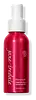
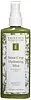
This hydrating toner is formulated around Aloe Barbadensis Leaf Juice and Arctostaphylos Uva-Ursi Leaf Extract to hydrate skin and calm redness.


What's inside
What's inside
 Key Ingredients
Benefits
Concerns
Ingredients Side-by-side


Aloe Barbadensis Leaf Juice
Skin Conditioning


Citrus Limon Peel Extract
EmollientArctostaphylos Uva-Ursi Leaf Extract
Skin Conditioning
Jasminum Officinale Flower Extract
Masking


Lavandula Angustifolia Flower Extract
Cleansing
Calendula Officinalis Flower Extract
Masking
Oryza Sativa Extract
Absorbent
Camellia Sinensis Leaf Extract
Antimicrobial



Rosmarinus Officinalis Leaf Extract
AntimicrobialGlycine Soja Extract
Skin ConditioningGlycerin
Humectant

Propanediol
Solvent
Cellulose Gum
Emulsion StabilisingSodium Hydroxide
BufferingCaprylyl Glycol
Emollient
Ethylhexylglycerin
Skin ConditioningPrunus Persica Fruit Water
Masking
Algae
Skin Conditioning


Sorbitol
Humectant
Niacinamide
Smoothing


Heptyl Glucoside
SurfactantDaucus Carota Sativa Root Extract
Skin Conditioning
Euterpe Oleracea Fruit Extract
Citrus Limon Fruit Extract
Masking
Malpighia Emarginata Fruit Extract
Skin ConditioningPhyllanthus Emblica Fruit Extract
HumectantAdansonia Digitata Seed Oil
Emollient


Myrciaria Dubia Fruit Extract
Skin ConditioningCocos Nucifera Water
Masking
Lycium Barbarum Fruit Extract
Astringent
Tapioca Starch
Thioctic Acid
Antioxidant
Aloe Barbadensis Leaf Juice, Citrus Limon Peel Extract, Arctostaphylos Uva-Ursi Leaf Extract, Jasminum Officinale Flower Extract, Lavandula Angustifolia Flower Extract, Calendula Officinalis Flower Extract, Oryza Sativa Extract, Camellia Sinensis Leaf Extract, Rosmarinus Officinalis Leaf Extract, Glycine Soja Extract, Glycerin, Propanediol, Cellulose Gum, Sodium Hydroxide, Caprylyl Glycol, Ethylhexylglycerin, Prunus Persica Fruit Water, Algae, Sorbitol, Niacinamide, Heptyl Glucoside, Daucus Carota Sativa Root Extract, Euterpe Oleracea Fruit Extract, Citrus Limon Fruit Extract, Malpighia Emarginata Fruit Extract, Phyllanthus Emblica Fruit Extract, Adansonia Digitata Seed Oil, Myrciaria Dubia Fruit Extract, Cocos Nucifera Water, Lycium Barbarum Fruit Extract, Tapioca Starch, Thioctic Acid
Reviews
Ingredients Explained
These ingredients are found in both products.
Ingredients higher up in an ingredient list are typically present in a larger amount.
Camellia Sinensis Leaf Extract (tea extract) is one of the most well-researched plant extracts in skincare with an impressive resume.
Black tea, green tea, and oolong tea are all harvested from the Camellia Sinensis plant.
Studies show green tea extract and its catechins (like epigallocatechin gallate (EGCG)) help your skin cells product energy more efficiently and reducing the number of free-radicals that can damage your skin from the inside.
In lab-grown skin models, this translated to younger, healthier, and stronger skin.
There's also good sun protection data; researchers saw less DNA damage and redness on human skin when green tea was applied before UVB exposure. And the more they applied, the better the protection.
Needless to say, this ingredient shouldn't replace your sunscreen. But it is a great supportive ingredient that you can already find in many sunscreens and antioxidant serums.
A 2009 study found a 2% green tea lotion was effective for mild-to-moderate acne thanks to its anti-inflammatory and mild antimicrobial activity.
The quality of the extract matters a lot here:
Good extracts contain 50-90% catechins while lower quality ones are mostly there for marketing. We recommend reaching out to the brand if you have questions about the quality or source of their ingredients.
Human Repeated Insult Patch Testing showed no irritation or sensitization at use concentrations (0.86% in leave-on products and up to 30% as leaf water).
Learn more about Camellia Sinensis Leaf ExtractThis is a botanical extract from the rosemary plant (the same one you cook with). In skincare, it mostly works as a skin conditioning agent.
Its activity comes from a handful of polyphenols, carnosic acid, carnosol, and rosmarinic acid. Almost 90% of the antioxidant activity of this ingredient can be attributed to canosol and carnosic acid.
These compounds protect your skin two ways:
1) They fight off free radicals, or the unstable molecules from things like sun and pollution that age and damage skin.
2) They help calm inflammation by switching off the chemical signals that tell skin to get red and irritated.
Lab studies also suggest that rosmarinic acid may help protect collagen and slow sugar-related damage to it.
The Cosmetic Ingredient Review has concluded rosemary-derived ingredients to be safe when formulated to be non-sensitizing.
Rosemary can occasionally cause allergic contact dermatitis (due to carnosol), so be sure to patch test if you have reactive or fragrance-sensitive skin.
Learn more about Rosmarinus Officinalis Leaf Extract

