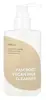
This mild cream cleanser is made to cleanse without leaving your skin tight or dry.


What's inside
What's inside
 Key Ingredients
No key ingredients
Benefits
Concerns
Ingredients Side-by-side
Water
Skin ConditioningHelianthus Annuus Seed Oil
Emollient



Dioscorea Japonica Root Extract
Skin Conditioning
Ethylhexyl Palmitate
Emollient


1,2-Hexanediol
Skin Conditioning
Polyglyceryl-10 Myristate
Skin Conditioning
Arachidyl Alcohol
Emollient
Glycerin
Humectant

Cetearyl Alcohol
Emollient
Behenyl Alcohol
Emollient
Arachidyl Glucoside
EmulsifyingGlucose
Humectant
Coco-Glucoside
Cleansing
Glyceryl Stearate
Emollient
Citric Acid
Buffering

Butylene Glycol
Humectant
Hibiscus Esculentus Fruit Extract
Skin ConditioningNelumbo Nucifera Root Extract
Skin ConditioningUndaria Pinnatifida Extract
Skin ConditioningLaminaria Japonica Extract
Skin Protecting
Glycine Max Seed Extract
Skin ConditioningCocos Nucifera Fruit Extract
Emollient
Oryza Sativa Extract
Absorbent

Prunus Amygdalus Dulcis Seed Extract
Skin ConditioningAvena Sativa Meal Extract
SoothingXanthan Gum
EmulsifyingSodium Polyacrylate
Absorbent
Water, Helianthus Annuus Seed Oil, Dioscorea Japonica Root Extract, Ethylhexyl Palmitate, 1,2-Hexanediol, Polyglyceryl-10 Myristate, Arachidyl Alcohol, Glycerin, Cetearyl Alcohol, Behenyl Alcohol, Arachidyl Glucoside, Glucose, Coco-Glucoside, Glyceryl Stearate, Citric Acid, Butylene Glycol, Hibiscus Esculentus Fruit Extract, Nelumbo Nucifera Root Extract, Undaria Pinnatifida Extract, Laminaria Japonica Extract, Glycine Max Seed Extract, Cocos Nucifera Fruit Extract, Oryza Sativa Extract, Prunus Amygdalus Dulcis Seed Extract, Avena Sativa Meal Extract, Xanthan Gum, Sodium Polyacrylate
Water
Skin ConditioningGlycerin
Humectant
Sorbitol
Humectant
Myristic Acid
Cleansing
Isostearic Acid
Cleansing
Potassium Hydroxide
BufferingAlcohol Denat.
Antimicrobial


Lauric Acid
Cleansing
Soymilk Isoflavones
Antioxidant
Milk Ferment
Skin ConditioningDecyl Glucoside
Cleansing
Ceramide Ng
Skin Conditioning
Butylene Glycol
Humectant
Carbomer
Emulsion StabilisingCyclodextrin
AbsorbentGlycine Max Seed Extract
Skin ConditioningPhytosterols
Skin Conditioning
Sodium Lauroyl Methylalanine
Hydrogenated Lecithin
Emulsifying
Phenoxyethanol
Preservative
Water, Glycerin, Sorbitol, Myristic Acid, Isostearic Acid, Potassium Hydroxide, Alcohol Denat., Lauric Acid, Soymilk Isoflavones, Milk Ferment, Decyl Glucoside, Ceramide Ng, Butylene Glycol, Carbomer, Cyclodextrin, Glycine Max Seed Extract, Phytosterols, Sodium Lauroyl Methylalanine, Hydrogenated Lecithin, Phenoxyethanol
Reviews
Ingredients Explained
These ingredients are found in both products.
Ingredients higher up in an ingredient list are typically present in a larger amount.
Butylene Glycol (or BG) is used within cosmetic products for a few different reasons:
Overall, Butylene Glycol is a safe and well-rounded ingredient that works well with other ingredients.
Though this ingredient works well with most skin types, some people with sensitive skin may experience a reaction such as allergic rashes, closed comedones, or itchiness.
Learn more about Butylene GlycolGlycerin (or glycerol) is a compound naturally found in your skin. It's a powerhouse humectant that pulls water into the stratum corneum.
Topically, glycerin does several things at once:
Your skin makes glycerin on its own (mostly from sebaceous oil breakdown) and shuttles it to your outermost layer of skin, or your epidermis, via aquaporin-3.
Aquaporin-3 is a transporter that is essential for normal skin hydration, elasticity, and repair. Interestingly, mice lacking in AQP3 have dry and less elastic skin that can be fully corrected with glycerin.
This ingredient is non-irritating, plays well with almost every ingredient, and works across all skin types. Typical use is anywhere between 3-10% but can go up to 79% in some leave-on products.
Just know very high concentrations (>40%) can feel tacky in low humidity.
Glycerin is the name for this ingredient in American English. British English uses Glycerol/Glycerine.
Learn more about GlycerinGlycine Max Seed Extract comes from the Soybean. This bean is native to Asia.
Soybeans are rich in antioxidants. Antioxidants may improve the signs of aging.
Studies show soy may help fade hyperpigmentation from UVB. It does so by disrupting the melanin process caused by UVB induced skin inflammation.
Two powerful components found in the wild soybean include genistein and diadzein. These two isoflavones are potent antioxidants with anti-inflammatory properties. Genistein in particular has been found to prevent redness caused by UV exposure.
Soybeans are rich in proteins and are part of the legume family. Foods made with soybeans include tofu, soymilk, edamame, miso, and soy sauce.
Learn more about Glycine Max Seed ExtractWater. It's the most common cosmetic ingredient of all. You'll usually see it at the top of ingredient lists, meaning that it makes up the largest part of the product.
So why is it so popular? Water most often acts as a solvent - this means that it helps dissolve other ingredients into the formulation.
You'll also recognize water as that liquid we all need to stay alive. If you see this, drink a glass of water. Remember to stay hydrated!
Learn more about Water

